
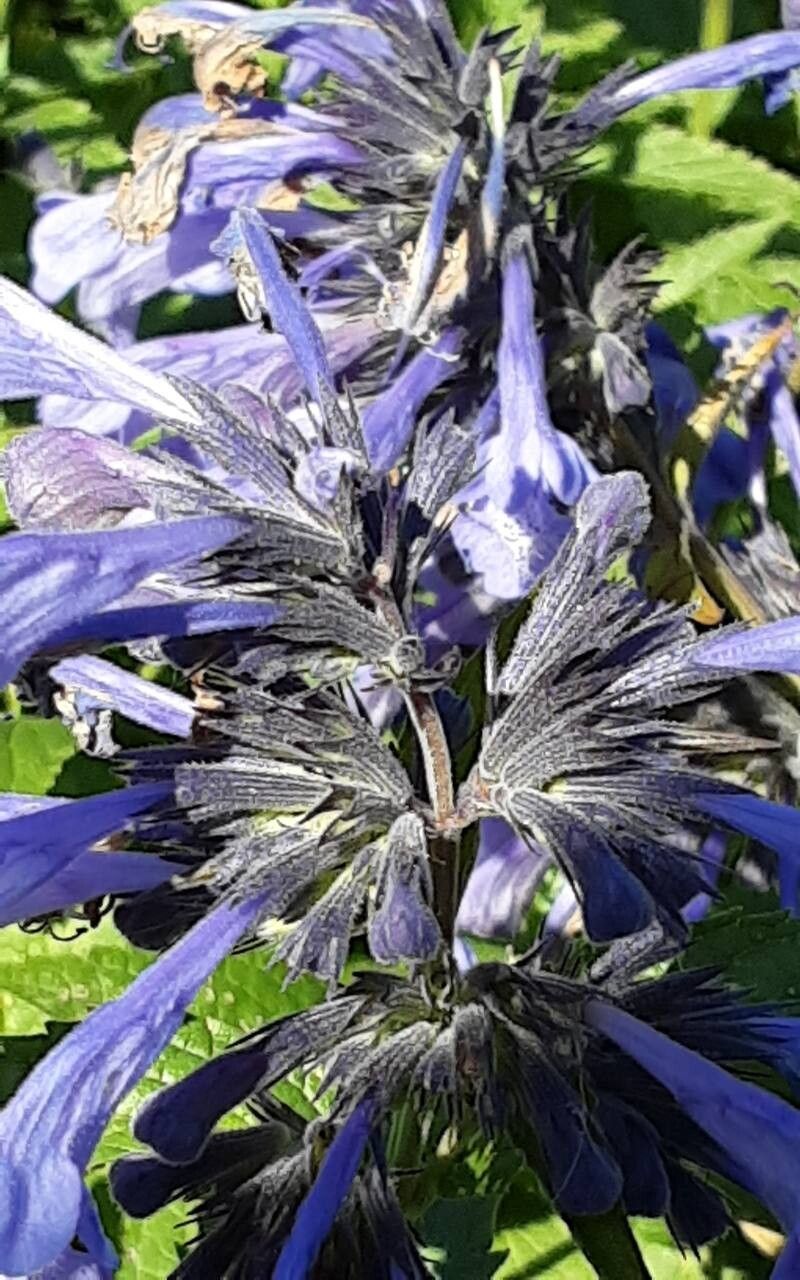
Unleashing the Purple Haze: Propagating the Majestic Nepeta Subsesilis
Nepeta subsessilis, also known as Giant Catmint or Japanese Catmint, is a showstopper in any garden. This beautiful perennial boasts long-lasting, vibrant purple blooms that attract a flurry of pollinators while its aromatic foliage deters unwanted pests. But the allure of Nepeta subsessilis goes beyond its beauty – it’s surprisingly easy to propagate, meaning you can multiply your stock and create a sea of purple without breaking the bank.
Ready to learn the secrets of propagating this enchanting plant? Let’s dig in!
Method 1: Dividing and Conquering with Division
The most straightforward and successful method for propagating Nepeta subsessilis is through division. This method is best performed in early spring or late summer when the plant is actively growing but temperatures aren’t excessively hot. Here’s how:
- Prepare the plant: Water your mature Nepeta subsessilis thoroughly a day or two before dividing.
- Gently unearth: Using a garden fork, carefully lift the entire plant, aiming to disturb the root system as little as possible.
- Divide with care: Shake off excess soil and look for natural divisions within the root ball. You can either gently tease apart smaller clumps or use a sharp, clean knife to separate larger sections. Ensure each division has a healthy amount of roots and shoots.
- Replant your divisions: Choose a sunny to partially shaded location with well-draining soil. Plant your divided clumps at the same depth they were previously growing. Space them generously, keeping in mind their mature size, which can reach 3-4 feet in height and width.
- Water generously: Give your newly planted divisions a good soak and continue to water regularly until they’re established.
Method 2: Starting Anew with Cuttings
For a more hands-on approach, try propagating Nepeta subsessilis from cuttings taken in late spring or early summer. Here’s a step-by-step guide:
- Select healthy stems: Choose non-flowering side shoots that are about 4-6 inches long. Look for stems that are firm and show no signs of disease.
- Prepare your cuttings: Remove the bottom leaves from each stem, leaving 2-3 pairs at the top.
- Encourage rooting: Dip the cut ends in rooting hormone powder (optional but recommended) and then plant them in small pots filled with a well-draining seed starting mix.
- Provide a humid environment: Cover the pots with a plastic bag or propagate them in a propagator to create a humid environment. Ensure good air circulation to prevent mold growth.
- Wait for roots to develop: After 4-6 weeks, gently tug on the cuttings. If you feel resistance, it means roots have formed.
- Transplant to larger containers: Once roots are well-established, transplant the rooted cuttings to larger pots and continue to grow them until they are large enough to plant outdoors.
Enjoy the Rewards of Your Labor
Regardless of your chosen propagation method, Nepeta subsessilis will reward you with its intoxicating fragrance, pollinator-attracting blooms, and deer-deterring properties. With a little effort, you can turn one magnificent plant into a vibrant purple tapestry in your garden, year after year.