
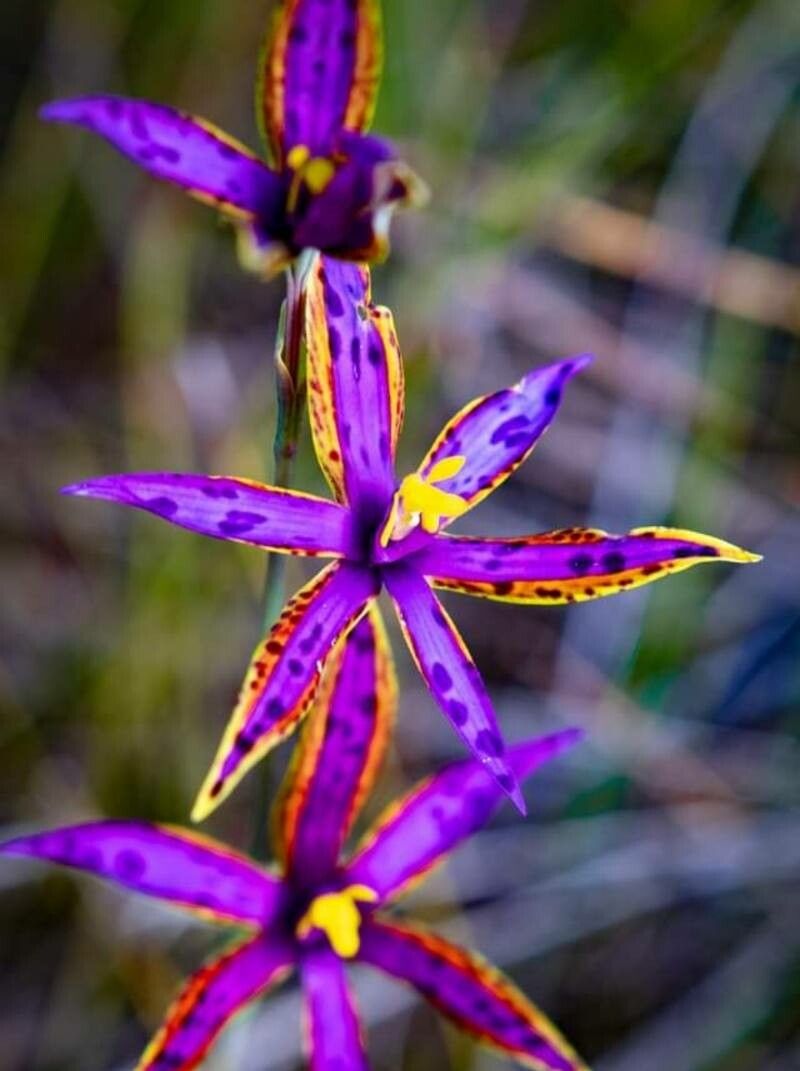
Unlocking the Secrets of the Sun Orchid: Propagating Thelymitra Speciosa
The Sun Orchid, scientifically known as Thelymitra speciosa, is a stunning terrestrial orchid native to Australia. Its vibrant blue to purplish blooms are a sight to behold, but cultivating this beauty in your own garden can seem daunting. Unlike many orchids that rely heavily on symbiotic fungi for propagation, the Sun Orchid presents a unique and engaging challenge. Let’s demystify the process and explore the different ways to propagate this captivating species.
Understanding the Sun Orchid Lifecycle
Before diving into propagation methods, it’s crucial to understand the Sun Orchid’s unique lifecycle. These orchids spend most of their year dormant underground as tubers. When conditions are favorable, usually in spring, they send up a single leaf followed by a flowering stem that can bear multiple blossoms. This complex lifecycle is key to successful propagation.
Method 1: Seed Propagation – A Test of Patience
Like many orchids, Thelymitra speciosa produces a vast number of dust-like seeds. These seeds lack endosperm, a nutrient-rich tissue found in most seeds, making them entirely dependent on specific mycorrhizal fungi for germination.
- Challenges: This intricate relationship with fungi makes seed propagation challenging. Replicating the exact soil conditions and fungal partners at home is difficult.
- For the Dedicated Enthusiast: However, for passionate growers with access to specialized mycorrhizal fungi and sterile laboratory techniques, seed propagation offers a rewarding, albeit lengthy, journey.
Method 2: Tuber Division – A Reliable Approach
Tuber division is a more accessible and successful method for propagating Sun Orchids.
- Timing is Key: The best time for division is after the flowering season, when the foliage starts to yellow and die back.
- Careful Extraction: Carefully dig up the plant, ensuring you don’t damage the tubers.
- Division Technique: Look for healthy tubers with at least one growing point (“eye”) and carefully separate them.
- Repotting: Plant the divided tubers in a well-draining orchid mix, ensuring the growing point remains slightly above the soil surface. Water sparingly until new growth emerges.
Creating the Ideal Growing Environment
Whether you choose seed propagation or tuber division, providing the right environment is essential for success.
- Well-Draining Soil: Sun Orchids are highly susceptible to root rot. Choose a loose, free-draining mix specific for terrestrial orchids.
- Sunlight Needs: These orchids prefer bright, indirect light. Avoid direct sunlight, especially during the hottest part of the day.
- Watering Wisely: Water deeply but infrequently, allowing the soil to dry out slightly between waterings. Reduce watering during the dormant period.
Patience is Key: Remember, cultivating Thelymitra speciosa requires dedication and patience. The rewards, however, are unmatched. Witnessing the vibrant blooms of this unique orchid, whether propagated from seed or tuber, is a testament to the artistry of nature and the dedication of the gardener.