
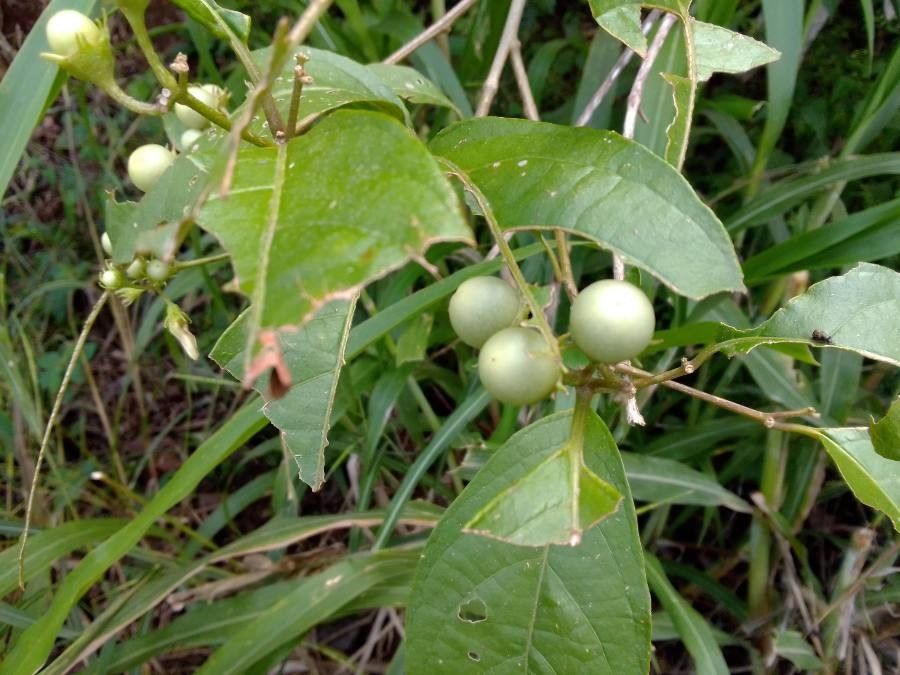
Unlocking the Secrets of the Orangeberry Jasmine: A Guide to Propagating Lycianthes ferruginea
The Orangeberry Jasmine (Lycianthes ferruginea), with its vibrant orange berries and delicate white flowers, is a captivating addition to any garden. Native to South America, this sprawling shrub adds a touch of exotic beauty and attracts a variety of pollinators. But successfully cultivating this unique plant starts with understanding its propagation.
While Lycianthes ferruginea might seem intimidating to propagate, fear not! This guide will equip you with the knowledge to grow new plants and expand your orangeberry jasmine collection.
Two Paths to Propagation:
Seed Propagation: The most common method, propagating from seed offers a rewarding challenge.
- Collecting Seeds: Harvest ripe berries, identified by their vibrant orange color and slight softness. Extract the small, brown seeds and rinse off any fruit pulp.
- Sowing the Seeds: Use a seed-starting mix with good drainage. Sow seeds about ¼ inch deep and lightly mist the soil.
- Patience is Key: Seed germination can be slow, taking anywhere from a few weeks to a few months. Ensure a warm, humid environment with consistent moisture to encourage sprouting.
Cutting Propagation: This method offers faster results and ensures the new plant remains true to the parent’s characteristics.
- Taking Cuttings: In spring or early summer, take 4-6 inch cuttings from healthy, non-flowering stems. Make a clean cut just below a leaf node.
- Preparing the Cuttings: Remove the lower leaves, leaving 2-3 pairs at the top. Dip the cut end in rooting hormone (optional but recommended).
- Planting the Cuttings: Insert cuttings into a well-draining potting mix, burying the bottom node. Water thoroughly and maintain humidity by covering the pot with a plastic bag or using a propagation dome.
- Rooting Success: After 4-6 weeks, gently tug on the cuttings. Resistance indicates successful rooting! Gradually acclimate the new plants to outdoor conditions before transplanting.
Nurturing Your New Orangeberry Jasmine Plants:
- Light & Location: Provide your growing plants with bright, indirect light. Once established, they can tolerate some direct sun but prefer sheltered locations.
- Soil & Watering: Maintain well-drained soil and water consistently, allowing the topsoil to dry slightly between waterings.
- Fertilization: During the growing season (spring and summer), fertilize monthly with a balanced liquid fertilizer.
- Pruning: Prune regularly to maintain shape and encourage bushier growth.
- Pest & Diseases: Orangeberry Jasmine is generally pest and disease resistant. However, monitor for common issues like aphids and treat accordingly.
Reap the Rewards of Your Efforts:
With proper care and attention, your propagated Lycianthes ferruginea plants will thrive and reward you with their stunning beauty and bountiful berries. These vibrant fruits attract local wildlife and are edible, adding a unique flavor to jams and jellies for the adventurous foodie.
So, why wait? Embark on this rewarding journey and unlock the secrets of propagating orangeberry jasmine. It’s a rewarding endeavor that will fill your garden with color, fragrance, and the joy of successful plant parenting.