
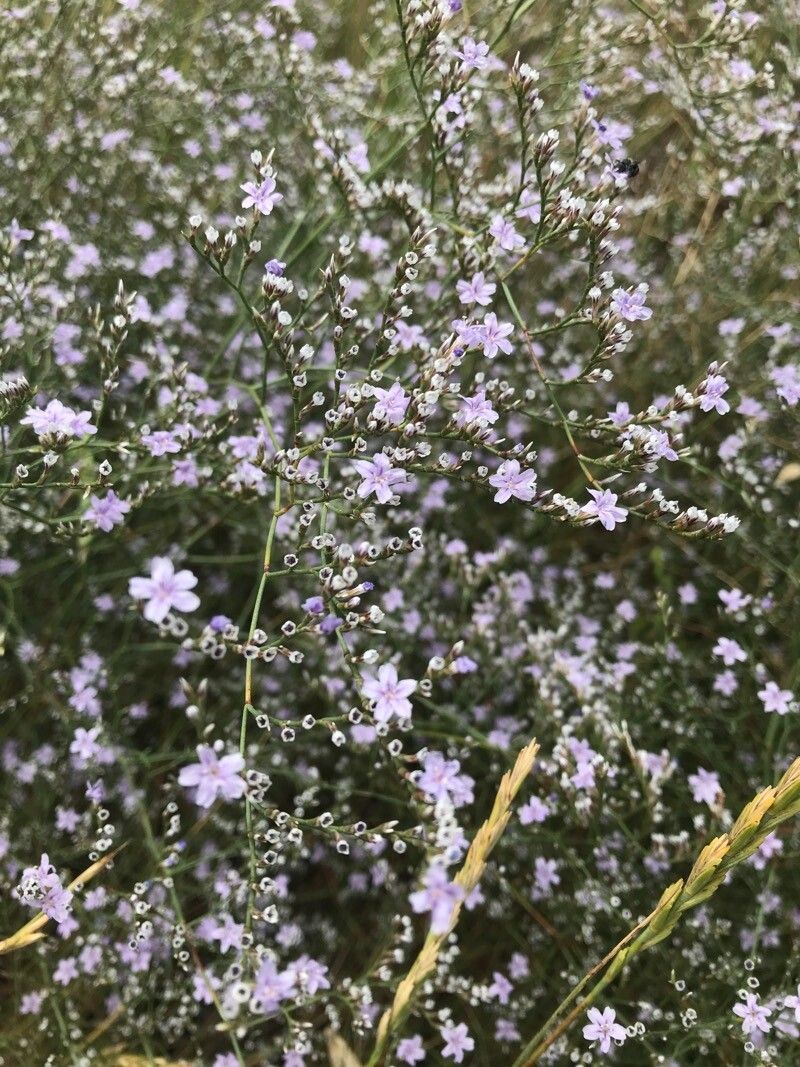
Sea Lavender Secrets: Mastering Propagation of Limonium catalaunicum
Limonium catalaunicum, also known as Statice or Sea Lavender, is a captivating perennial prized for its airy sprays of papery blooms. These flowers, reminiscent of a summer sunset with their vibrant hues, are a favorite for dried flower arrangements and add a breezy charm to any garden. Intrigued? Let’s explore the fascinating world of propagating Limonium catalaunicum.
Two Paths to Success: Seed vs. Cuttings
While Limonium catalaunicum can be a bit fussy, propagating this beauty isn’t as daunting as it seems. You have two reliable options:
1. Sowing the Seeds:
- Timing is Key: Early spring is the ideal time for starting seeds indoors. This gives the plants a head start before the warmth of summer.
- Light and Warmth: Use a seed-starting mix and sprinkle your seeds on the surface, pressing them lightly. These seeds are light-dependent germinators, so don’t bury them! Place the tray in a bright location (but out of direct sunlight) and maintain a temperature of around 70-75°F (21-24°C).
- Patience, Young Padawan: Germination can take anywhere from 14 to 28 days, so don’t despair if you don’t see sprouts immediately.
- Transplantation Time: Once the seedlings have developed a few sets of true leaves and the danger of frost has passed, it’s safe to transplant them outdoors to your garden.
2. The Art of Cuttings:
- When to Snip: Late spring or early summer is the prime time to take cuttings, as the plant is actively growing.
- Choosing the Right Stem: Select a healthy, non-flowering stem that is about 4-6 inches long.
- Making the Cut: Use a sharp, sterilized knife or pruning shears to make a clean cut just below a leaf node.
- Hormone Boost (Optional): While not strictly necessary, dipping the cut end in rooting hormone can help encourage faster root development.
- Planting the Cutting: Insert the cutting into a pot filled with a well-draining potting mix, making sure that at least two leaf nodes are buried.
- Creating a Humid Environment: Cover the pot with a plastic bag or use a propagation dome to maintain humidity. This is crucial for successful rooting.
- Root Check: After 4-6 weeks, gently tug on the cutting. If you feel resistance, congratulations! Roots have formed.
A Few Tips for Thriving Limonium
- Well-Drained Soil is a Must: Limonium catalaunicum is susceptible to root rot, so make sure your soil is loose and well-draining. Amend heavy clay soils with sand or perlite.
- Sun Worshippers: These plants thrive in full sun, so choose a location that receives at least 6 hours of direct sunlight per day.
- Don’t Be Overly Generous with Water: Once established, Limonium catalaunicum is relatively drought-tolerant. Water only when the soil feels dry to the touch.
- Divide and Conquer: Every few years, you can divide established plants in spring or fall to create new plants and maintain their vigor.
Successfully propagating Limonium catalaunicum brings a sense of accomplishment and ensures a steady supply of these captivating blooms. Whether you opt for seeds or cuttings, remember these tips, and enjoy the process of nurturing new life from this stunning perennial!