
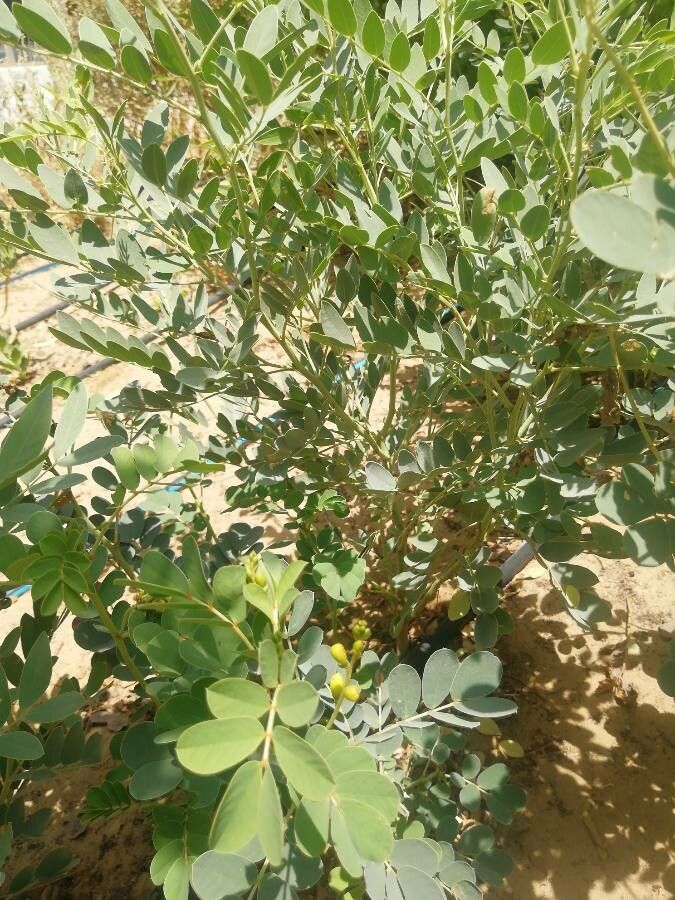
Unlocking the Secrets of Senna italica: A Guide to Successful Propagation
Senna italica, also known as Port Royal senna or Italian senna, is a fascinating plant with a rich history in traditional medicine and a growing popularity as an ornamental. Its vibrant yellow flowers and delicate foliage add a touch of exotic beauty to any garden.
If you’re looking to expand your Senna italica collection or share its beauty with others, propagating this remarkable plant is a rewarding endeavor. In this comprehensive guide, we’ll explore the most effective methods to propagate Senna italica and unlock its full potential.
Two Roads to Success: Seed vs. Cutting Propagation
Senna italica can be propagated through two primary methods: seeds and cuttings. Each approach comes with its own set of advantages and considerations:
1. Seed Propagation: A Journey from Tiny Beginnings
Propagating Senna italica from seed offers a fulfilling experience, allowing you to witness the entire lifecycle of this captivating plant. Here’s a step-by-step guide to successful seed propagation:
- Seed Collection & Preparation: Harvest mature seed pods from a healthy Senna italica plant. These pods will typically turn brown and dry out when ready. Extract the seeds from the pods and store them in a cool, dry place until you’re ready to sow.
- Sowing the Seeds: Senna italica seeds benefit from scarification to break their dormancy. You can achieve this by gently rubbing the seeds with sandpaper or nicking them with a nail clipper. Plant the scarified seeds in a well-draining seed-starting mix, covering them lightly with soil.
- Providing Optimal Conditions: Place the seed tray in a warm, bright location, ensuring they receive indirect sunlight. Keep the soil consistently moist but not waterlogged. Germination typically takes 1-3 weeks.
- Transplanting Seedlings: Once the seedlings have developed a few sets of true leaves, they can be transplanted into individual pots or directly into the garden.
2. Cutting Propagation: Cloning Your Favorite Senna italica
If you’re seeking quicker results or want to replicate the characteristics of a specific Senna italica plant, cuttings offer a reliable alternative. Here’s how to propagate using cuttings:
- Taking the Cutting: Select a healthy, non-flowering stem from the parent plant. Using a sharp, sterilized knife or pruning shears, take a 4-6 inch cutting just below a leaf node.
- Preparing the Cutting: Remove the leaves from the lower half of the cutting to prevent rot. Dip the cut end in rooting hormone (optional but recommended) to encourage root development.
- Planting the Cutting: Plant the prepared cutting in a pot filled with a well-draining potting mix. Ensure the bottom leaf node is buried beneath the soil.
- Encouraging Root Development: Place the cutting in a warm, humid environment. A humidity dome or placing a plastic bag over the pot can help create favorable conditions. Roots typically develop within 4-6 weeks.
Cultivating Success: Tips for Healthy Senna italica Plants
Regardless of your chosen propagation method, follow these essential tips for cultivating thriving Senna italica plants:
- Well-Draining Soil: Senna italica thrives in loose, well-draining soil. Amend heavy clay soils with sand or perlite to improve drainage.
- Sunlight Requirements: These sun-loving plants require at least 6 hours of direct sunlight daily for optimal growth and flowering.
- Watering Wisely: Water your Senna italica regularly, allowing the soil to dry out slightly between waterings. Avoid overwatering, which can lead to root rot.
- Fertilization: Feed your plants with a balanced fertilizer during the growing season (spring and summer) to support healthy growth and vibrant blooms.
Propagating your own Senna italica is a rewarding way to expand your garden and enjoy the unique beauty of this versatile plant. Whether you choose to embark on the journey from seed or prefer the efficiency of cuttings, with a little care and attention, you’ll soon be rewarded with thriving Senna italica plants adding a touch of elegance to your surroundings.