
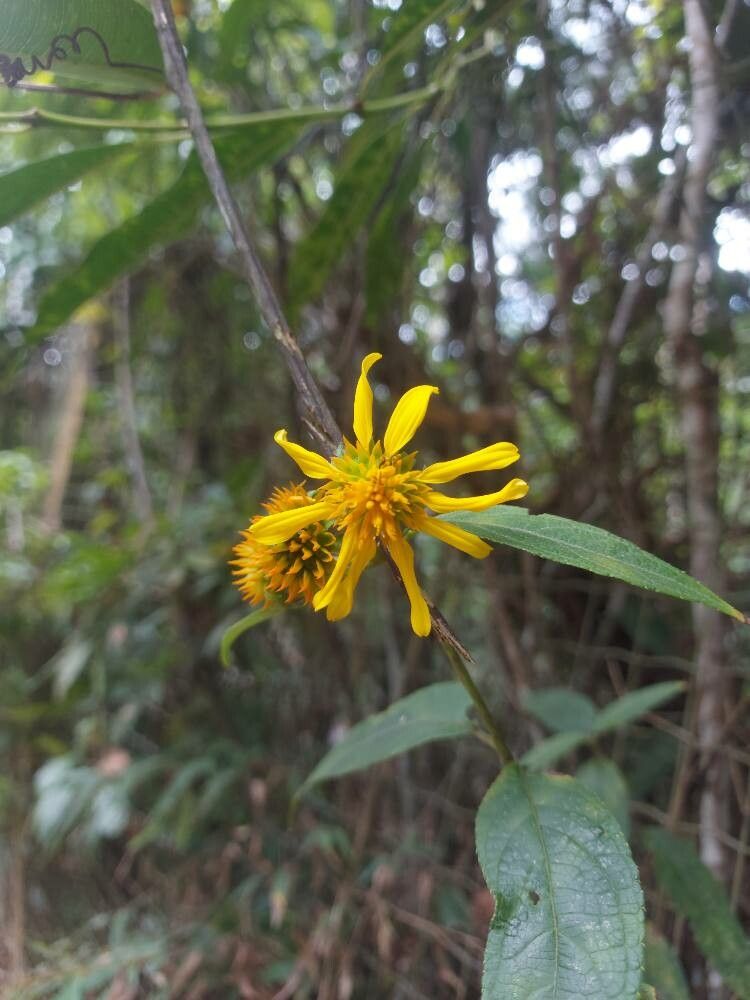
Tilesia baccata: A Propagation Primer for Budding Gardeners
Tilesia baccata, with its vibrant blooms and intriguing foliage, is a showstopper in any garden. But have you ever thought about expanding its presence beyond a single pot or patch? Propagating Tilesia baccata can seem intimidating at first, but fear not! With a bit of know-how and patience, you can easily multiply your plants and share the joy with fellow plant enthusiasts. Let’s dive into the fascinating world of Tilesia baccata propagation.
Understanding the Basics: How does Tilesia baccata reproduce?
Tilesia baccata, like many other plants, can be propagated through both sexual and asexual methods. In simpler terms, that means you can grow it from seeds (sexual) or use parts of the existing plant to create a clone (asexual).
Method 1: Sowing the Seeds of Success
While slightly more challenging than asexual methods, growing Tilesia baccata from seed allows you to witness the plant’s entire life cycle. Here’s how:
- Seed Collection: Collect ripe berries from your Tilesia baccata plant. The berries will be plump and typically change color when mature. Extract the seeds and allow them to dry completely.
- Sowing Time: The ideal time for sowing Tilesia baccata seeds is in the early spring. This gives the seedlings ample time to establish themselves before the winter frost arrives.
- Creating the Perfect Environment: Use a seed tray filled with a well-draining seed starting mix. Sow the seeds thinly and cover them lightly with the mix.
- Light and Warmth: Place the seed tray in a warm, bright location, but out of direct sunlight. Maintaining a consistent temperature is crucial for successful germination.
- Watering Routine: Keep the soil consistently moist, but not waterlogged. Using a spray bottle to mist the soil can be a helpful technique.
- Transplanting Triumph: Once your seedlings have developed a few sets of true leaves and are strong enough to handle, they can be carefully transplanted into individual pots or your garden bed.
Method 2: The Art of Cuttings
Taking cuttings is generally the easiest and fastest way to propagate Tilesia baccata:
- Choosing the Right Cuttings: Look for healthy, non-flowering stems. The best time to take cuttings is in the late spring or early summer when the plant is actively growing.
- Making the Cut: Using a sharp, clean knife or pruning shears, take a cutting approximately 4-6 inches long, just below a leaf node.
- Preparing the Cutting: Remove the lower leaves from the cutting, leaving a few at the top.
- Rooting Hormone (Optional): While not strictly necessary, dipping the cut end in a rooting hormone powder can encourage faster root development.
- Planting the Cutting: Plant the prepared cutting in a pot filled with a well-draining potting mix.
- Creating a Humid Environment: To encourage rooting, cover the pot with a plastic bag or place it in a propagator.
- Patience is Key: Keep the soil consistently moist and keep the cutting in a bright location, but out of direct sunlight. Rooting typically takes several weeks.
- Signs of Success: Once you see new growth, you’ll know your cutting has rooted successfully! You can now gradually acclimate it to normal conditions before transplanting it to its permanent home.
Final Thoughts
Propagating your own Tilesia baccata is a rewarding experience that allows you to connect with your plant on a deeper level. Whether you choose to try your hand at seed starting or prefer the relative ease of cuttings, with a bit of patience and care, you’ll soon be enjoying even more of these beautiful plants in your garden!