
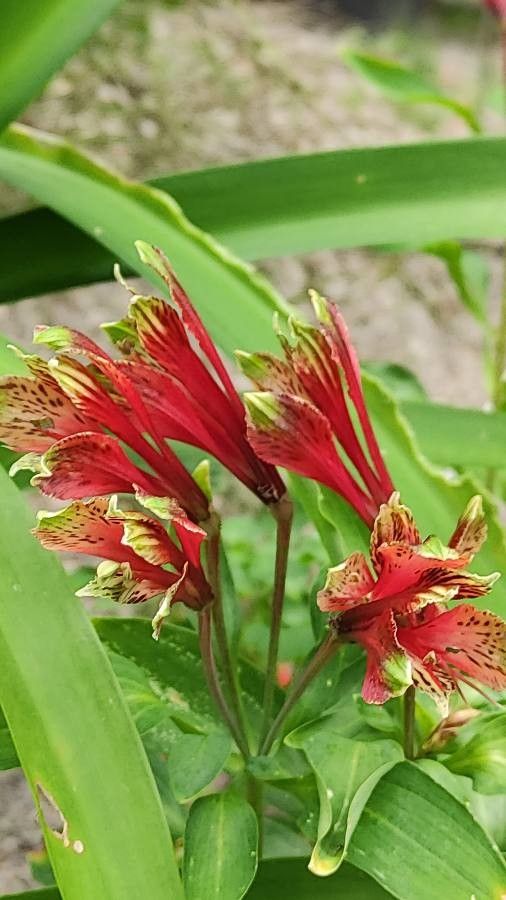
Unlocking the Secrets of Alstroemeria brasiliensis Propagation: A Guide to Multiplying Your Floral Delights
The Brazilian Lily, also known as Alstroemeria brasiliensis, is a sight to behold. With its vibrant, almost orchid-like blooms in a kaleidoscope of colors, it’s no wonder gardeners are eager to multiply their stock. Fortunately, propagating this South American beauty is achievable with a bit of patience and the right knowledge. This guide dives deep into the world of Alstroemeria brasiliensis propagation, empowering you to expand your floral collection.
Two Roads to Propagation:
While Alstroemeria brasiliensis readily produces seeds, division is the preferred method for most gardeners. Let’s explore both options:
1. Division: The Path of Least Resistance
Division, as the name suggests, involves separating a mature plant into smaller sections, each containing roots and shoots. Here’s how:
- Timing is Key: Early spring, just before new growth emerges, is the optimal time for division.
- Gently Does It: Carefully dig up your mature Alstroemeria brasiliensis, ensuring you lift a good portion of the root system.
- Divide and Conquer: Using a clean, sharp knife or spade, divide the plant into sections, each with a healthy clump of roots and at least 2-3 shoots.
- Replant and Rejoice: Replant your divisions at the same depth they were previously growing, water generously, and watch them flourish!
Division Advantages:
- Guaranteed Success Rate: Since you’re working with established plant parts, division offers a higher success rate compared to seeds.
- Faster Blooms: Divisions will flower sooner than plants started from seed, usually within the same growing season.
- Clonal Replication: Division ensures you retain the exact characteristics of your parent plant, preserving its unique blooms and growth habits.
2. Seed Starting: A Test of Patience
While trickier, growing Alstroemeria brasiliensis from seed can be a rewarding experience. Here’s what you need to know:
- Sourcing Seeds: Seeds can be harvested from existing plants or purchased online. Ensure they are fresh for better germination rates.
- Sowing the Seeds: Start seeds indoors 8-10 weeks before the last expected frost. Sow them on the surface of a well-draining seed starting mix and lightly press them in.
- Light and Warmth: Place your seed tray in a bright, warm location, maintaining a temperature of around 65-70°F (18-21°C).
- Transplanting Time: Once seedlings have developed a few sets of true leaves, transplant them into larger pots or directly into your garden after the last frost.
Seed Starting Challenges:
- Variable Germination: Seed germination can be erratic, and success is not guaranteed.
- Longer Time to Bloom: Plants started from seed may take a few years to produce flowers.
- Potential for Variation: Seed-grown plants may not possess the same characteristics as their parent plant, leading to variations in flower color or growth habit.
Caring for your New Propagations:
Whether you choose division or seed starting, provide your new Alstroemeria brasiliensis with well-draining soil, ample sunlight, and regular watering. They thrive in slightly acidic soil (pH 6.0-6.5) and benefit from a balanced fertilizer application during their growing season.
With a little effort and the right techniques, you can confidently propagate your Alstroemeria brasiliensis and enjoy a vibrant display of these exotic beauties for years to come!