
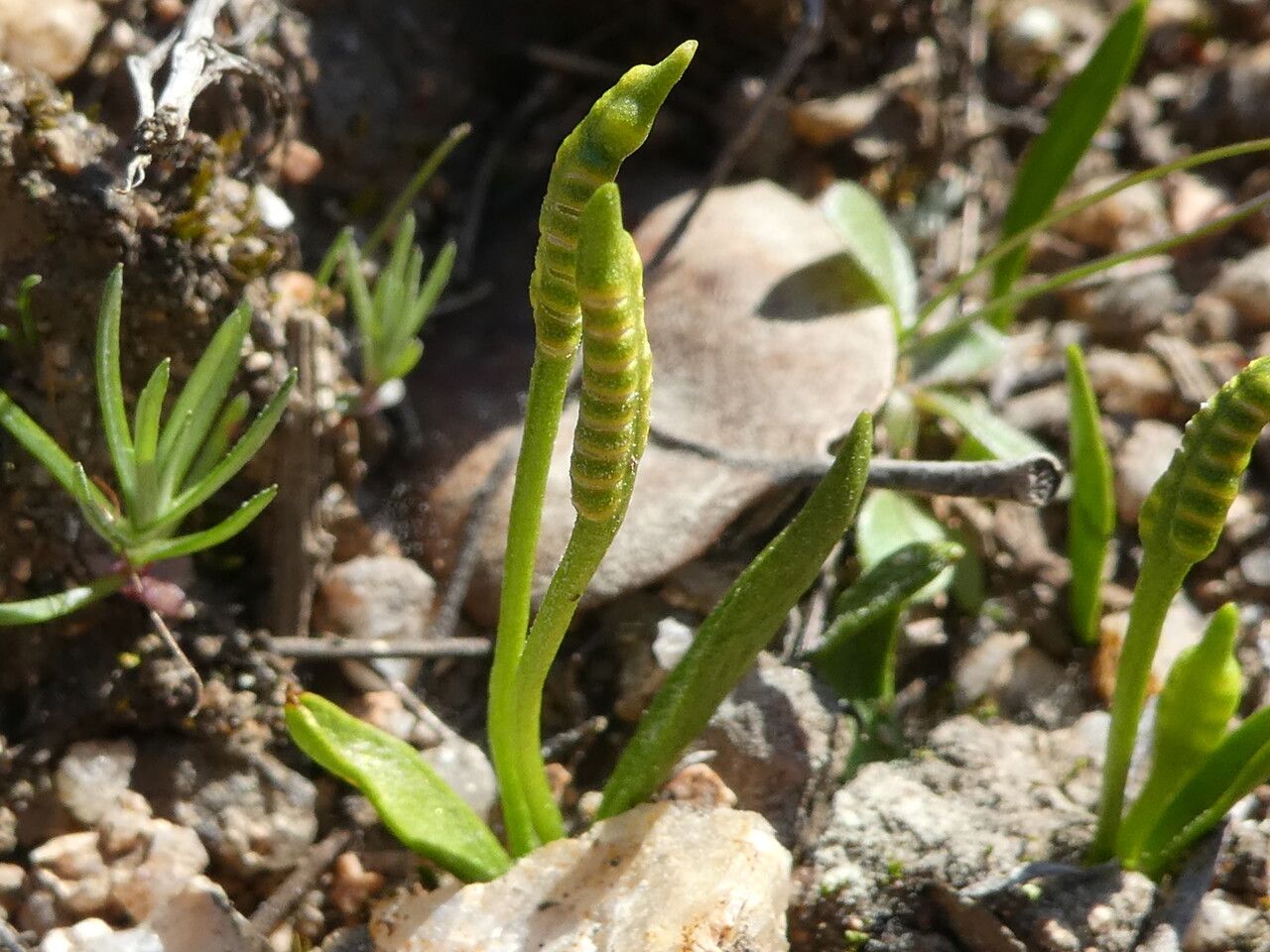
Unlocking the Secrets of the Least Adder’s-tongue Fern: Propagation Tips for Ophioglossum lusitanicum
The plant world is full of fascinating oddities, and the Ophioglossum lusitanicum, also known as the Least Adder’s-tongue Fern, is no exception. This diminutive fern, often overlooked due to its small size, captivates with its unique appearance and intriguing life cycle. While finding this tiny fern in the wild can be a challenge, cultivating it at home adds a touch of botanical mystery to any collection. But how exactly do you propagate such a unique plant? Let’s unlock the secrets of the Least Adder’s-tongue Fern and delve into the fascinating world of its propagation.
Understanding the Fern:
Before we jump into propagation, it’s crucial to understand what makes this fern tick. Unlike typical ferns that propagate through spores, Ophioglossum lusitanicum employs a more complex strategy.
Sporophyte and Gametophyte: Like all ferns, this species exhibits alternation of generations, meaning it cycles between two distinct phases: a sporophyte (the familiar fern plant we see) and a gametophyte (a tiny, independent plant). The sporophyte produces spores, which germinate to form the gametophyte. The gametophyte then produces the male and female gametes (sperm and egg), leading to fertilization and the development of a new sporophyte.
- Mycorrhizal Association: Here’s where things get interesting. The Ophioglossum lusitanicum gametophyte relies on a symbiotic relationship with specific mycorrhizal fungi for its survival. These fungi, present in the soil, provide essential nutrients to the developing gametophyte.
Propagating the Least Adder’s-tongue Fern can be a test of patience, but the rewards are well worth the effort. Here are two methods to try:
Spore Propagation:
- Collecting Spores: Locate mature sporophytes with brown, elongated spore-bearing structures (sporocarps) on a stalk. Carefully collect these sporocarps and allow them to dry thoroughly in a paper bag. The spores will be released as the sporocarp dries.
- Sowing Spores: Prepare a sterile growing medium with a slightly acidic pH (around 5.5-6.5) mimicking the fern’s natural habitat. Finely milled peat moss or sphagnum moss mixed with perlite or vermiculite can create a suitable environment. Surface sow the spores, avoiding burying them, and mist with distilled water.
- Creating the Right Environment: Place the sown spores in a well-lit area, out of direct sunlight. Maintain high humidity by covering the pot with a clear dome or placing it in a propagator.
- Patience is Key: Spore germination can take several months, and the gametophytes are microscopic. Maintaining consistent moisture and observing strict hygiene are crucial during this phase.
Division:
- Careful Separation: This method involves carefully dividing well-established clumps of the fern. Gently unearth the clump and look for points where new plantlets are forming.
- Sectioning and Repotting: Using a clean, sharp knife or shears, carefully separate the plantlets, ensuring each section has roots and a growing point. Repot the divisions in individual pots with a well-draining, acidic potting mix.
- Post-Division Care: Keep the newly divided plants in a humid environment with indirect light. Water regularly, allowing the soil to dry slightly between waterings.
Challenges and Tips:
- Finding the right mycorrhizal fungi for the gametophytes to develop can be challenging. Using potting mix specifically designed for ferns or collecting soil from near established Ophioglossum lusitanicum plants might help introduce these beneficial fungi.
- Maintaining sterile conditions is crucial to prevent fungal contamination. Sterilize tools and pots before use.
- Don’t be discouraged if propagation takes time. With patience and persistence, you can successfully cultivate these fascinating ferns.
The Least Adder’s-tongue Fern offers a rewarding challenge for plant enthusiasts. By understanding its unique life cycle and employing the right propagation techniques, you can enjoy the beauty of this miniature marvel in your own collection.