
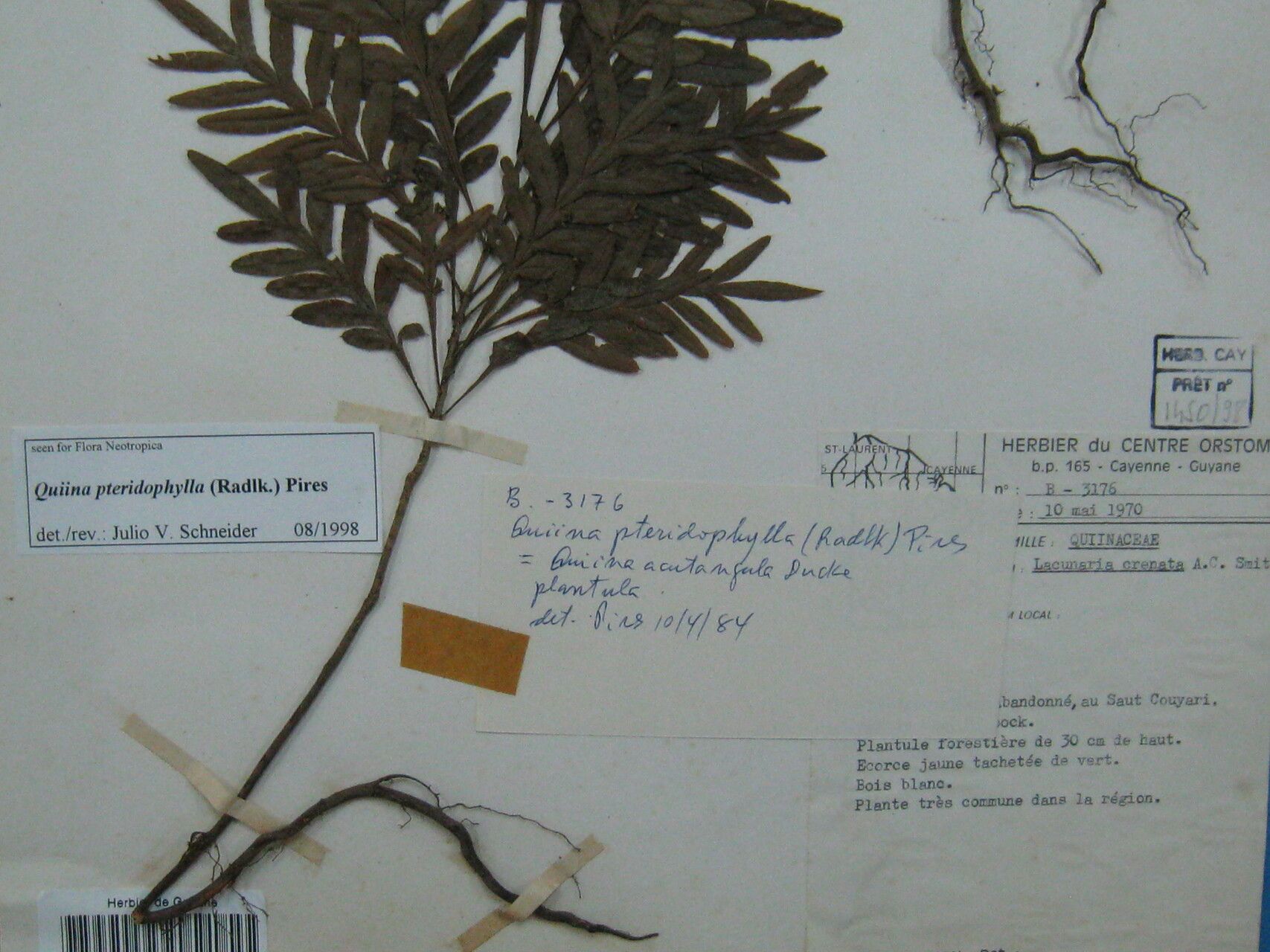
Unlocking the Secrets of Quiina pteridophylla: A Propagation Guide
Quiina pteridophylla, with its striking foliage resembling fern fronds, is a unique and beautiful addition to any plant enthusiast’s collection. Native to the rainforests of South America, this tropical gem boasts vibrant green leaves and an intriguing growth habit. But venturing beyond admiration to propagate this rare beauty can feel like uncharted territory. Fear not, fellow plant lovers, for we’re about to unlock the secrets of successfully multiplying your Quiina pteridophylla.
Understanding the Challenges
Before we delve into the methods, it’s important to acknowledge that propagating Quiina pteridophylla isn’t a walk in the park. This species isn’t as readily propagated as your typical houseplant, often proving to be a test of patience and precision. Factors like humidity, temperature, and the plant’s overall health play crucial roles in determining success.
Two Paths to Propagation
While information on propagating Quiina pteridophylla is scarce, anecdotal evidence suggests two primary methods:
1. Stem Cuttings:
- Timing is Key: Spring and early summer, when the plant is actively growing, offer the highest chances of success.
- Choosing the Cutting: Select a healthy, semi-mature stem that’s at least 4-6 inches long and showing vigorous growth.
- Clean and Prepare: Using a sterilized knife or pruning shears, make a clean cut just below a leaf node. Remove the lower leaves, leaving only 2-3 at the top.
- Hormonal Boost: Dipping the cut end in rooting hormone powder can significantly increase the odds of successful root development.
- Rooting Medium: A well-draining, airy mix is essential. Opt for a combination of peat moss, perlite, and vermiculite to provide the ideal environment for root growth.
- Creating a Humid Haven: Maintaining high humidity around the cutting is crucial. You can achieve this by placing the pot in a propagator, covering it with a plastic bag, or misting regularly.
- Patience is a Virtue: Be prepared to wait. Root development can take several weeks to a few months.
2. Air Layering:
- When to Consider: If you have access to a mature and healthy Quiina pteridophylla, air layering can be a promising technique.
- The Girdling Technique: Select a healthy stem and carefully make a shallow upward cut about an inch long, removing a small strip of bark. Dust the cut with rooting hormone.
- Moisture Retention is Key: Surround the wounded area with moist sphagnum moss and wrap it securely with plastic wrap, ensuring the moss remains consistently damp.
- Waiting Game: Roots will eventually develop within the moss. Once you see a healthy root system, carefully cut below the layered section and pot your new plant.
Care Tips for Success:
- Warmth is Welcomed: Maintain a consistently warm temperature between 70-80°F (21-27°C) for optimal growth.
- Light, but not Harsh: Indirect, bright light is ideal. Avoid direct sunlight which can scorch the delicate leaves.
- Stay Hydrated: Keep the soil consistently moist but not waterlogged.
- Be Patient: Remember, Quiina pteridophylla can be slow-growing. Don’t be disheartened if you don’t see immediate results.
Propagating Quiina pteridophylla might require some experimentation and a touch of luck, but the reward of successfully nurturing a new plant from its parent is immensely satisfying. So, don your gardening gloves, embrace the challenge, and witness the magic of plant propagation firsthand.