
Unveiling the Secrets: How to Propagate the Stunning Lonchocarpus cultratus
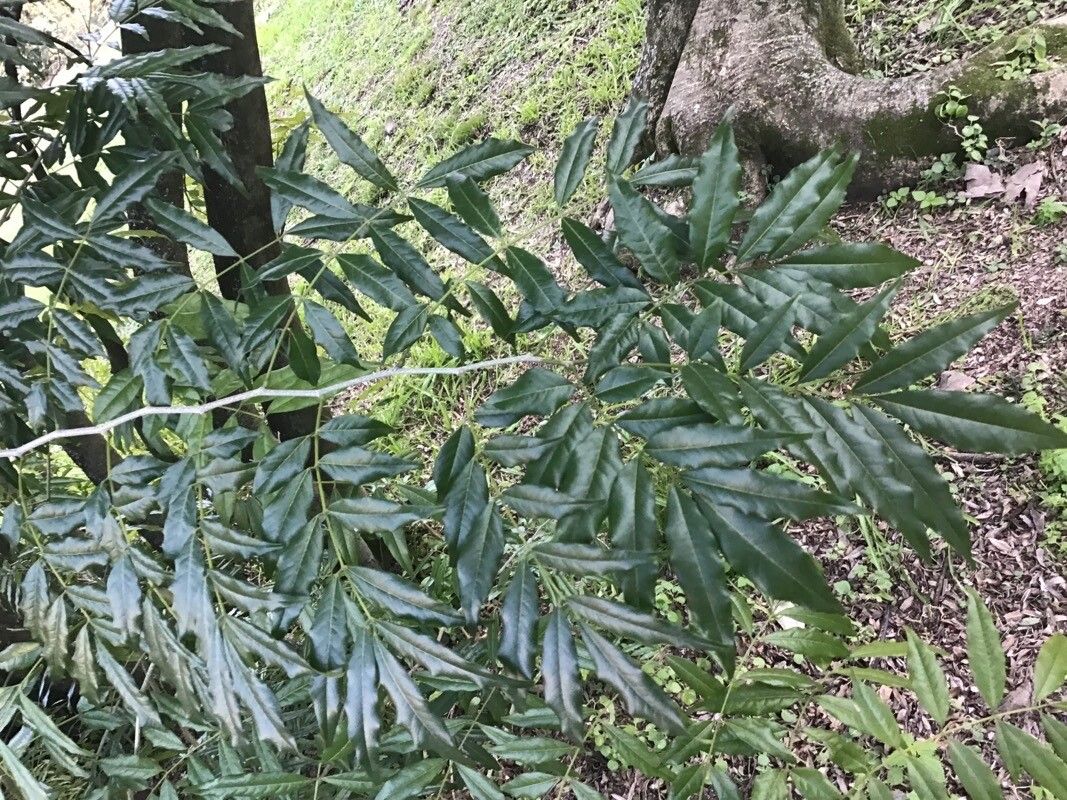
The Lonchocarpus cultratus, also known as the “Knifepod,” “Swordpod,” or “White Leadtree,” is a captivating plant boasting lush foliage and stunning, fragrant flower clusters. Native to Central and South America, this tropical beauty can reach an impressive height of 35 feet, making a dramatic statement in any landscape. If you’re eager to welcome the Knifepod’s elegance into your garden, understanding its propagation methods is vital.
While the Knifepod readily propagates through seeds, the process requires some patience and specific techniques. This guide will delve into the intricacies of successfully growing Lonchocarpus cultratus from seed, empowering you to cultivate this tropical wonder:
1. Seed Acquisition:
- Reliable Source: Obtaining seeds from a trusted source is crucial for successful germination. Reputable online nurseries specializing in exotic plants are a great place to start.
- Seed Viability: Look for fresh, plump seeds with a smooth texture, indicating high viability. Avoid wrinkled or damaged seeds as they might not germinate.
2. Pre-treatment for Enhanced Germination:
- Scarification: The Knifepod’s seeds have a hard outer coating that can hinder water absorption and germination. To overcome this, gently scarify the seeds. Use a nail clipper to nick the seed coat opposite the hilum (the scar where the seed was attached to the pod). Alternatively, you can rub the seed lightly with sandpaper until a small portion of the inner layer is exposed.
- Soaking: After scarification, soak the seeds in warm water for 12-24 hours. This helps soften the seed coat further, promoting water imbibition and accelerating germination.
3. Sowing the Seeds:
- Well-Draining Soil: Knifepods thrive in well-draining soil. Use a seed starting mix or a blend of peat moss, perlite, and vermiculite for optimal drainage and aeration.
- Planting Depth: Sow the seeds about ½ to 1 inch deep in the prepared soil. Gently cover them, ensuring good contact between the seed and the soil.
4. Creating the Ideal Environment:
- Warmth and Humidity: Knifepods are tropical plants and flourish in warmth and humidity. Place the seed tray in a bright, warm location with temperatures consistently between 75-85°F (24-29°C). A heat mat can be beneficial in maintaining consistent temperatures.
- Maintaining Moisture: Keep the soil consistently moist but not waterlogged. Mist the soil surface regularly or water gently from the bottom to prevent disturbing the seeds.
- Patience is Key: Germination time can vary from a few weeks to a few months. Be patient and continue providing the optimal environment for successful germination.
5. Transplanting and Care:
- Transplanting Seedlings: Once the seedlings develop a few sets of true leaves and are sturdy enough to handle, transplant them into individual pots filled with well-draining potting mix.
- Light Requirements: Knifepods thrive in full sun to partial shade. If growing indoors, ensure they receive bright, indirect light for at least 6 hours daily.
- Watering: Water regularly, allowing the soil to dry slightly between waterings. Avoid overwatering, which can lead to root rot.
- Fertilization: Feed the young plants with a balanced liquid fertilizer diluted to half strength every 4-6 weeks during the growing season.
By following these propagation techniques and providing proper care, you can witness the Knifepod’s journey from seed to a stunning centerpiece in your garden. Embrace the journey of growing Lonchocarpus cultratus and enjoy the rewards of nurturing this remarkable tropical beauty.