
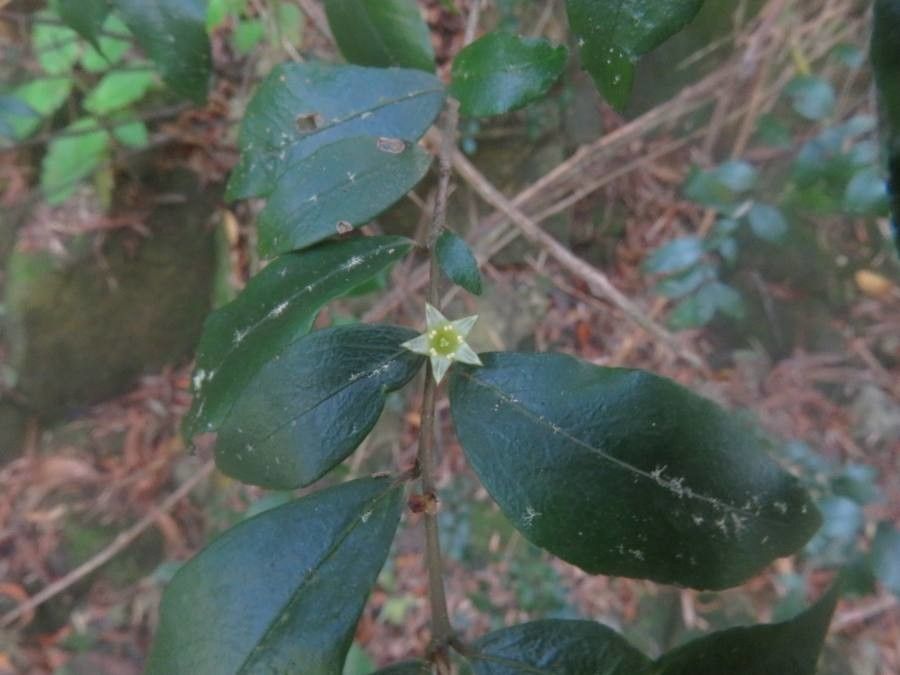
Unlocking the Secrets of Rhamnus diffusa Propagation: A Guide for Budding Enthusiasts
Rhamnus diffusa, a lesser-known gem in the plant world, captivates with its delicate foliage and unique charm. But if you’re eager to cultivate more of these beauties, you might be wondering, “How do I propagate this intriguing species?” Fear not, fellow plant aficionados! This guide unveils the secrets to successfully propagating Rhamnus diffusa and expanding your botanical haven.
Two Roads to Propagation Bliss:
While Rhamnus diffusa can be a bit enigmatic, there are two tried-and-true methods for propagation: seed propagation and semi-hardwood cuttings. Each approach has its nuances, so let’s explore them in detail.
1. Seed Propagation: Patience is a Virtue
- Timing is Everything: Collect ripe Rhamnus diffusa berries in late summer or early fall. They should be plump and boast a deep, rich hue.
- Gentle Extraction: Carefully extract the seeds from the fleshy berries. A gentle washing helps remove any pulp that might hinder germination.
- Cold Stratification: Nature’s Trick: Rhamnus diffusa seeds have a quirky requirement – cold stratification. This mimics winter’s chill and encourages germination. Place the seeds in a moist medium like vermiculite or sand, and store them in your refrigerator for 6-8 weeks.
- Spring Awakening: As the winter chill recedes, it’s time to sow. Plant the stratified seeds in a well-draining seed-starting mix, lightly covering them with soil.
- Patience, Young Padawan: Seed germination can be a leisurely process, often taking several weeks or even months. Maintain consistent moisture and a warm environment.
2. Semi-Hardwood Cuttings: A Quicker Route to Success?
- The Right Time and Place: Take semi-hardwood cuttings in late summer when the plant’s growth starts to slow down. Choose healthy, non-flowering stems.
- Cut with Precision: Using clean, sharp shears, cut 4-6 inch sections from the stem just below a leaf node (where the leaf joins the stem).
- Hormonal Boost (Optional but Recommended): Dip the cut end of each cutting in rooting hormone to encourage root development.
- Potting Up: Plant the cuttings in a well-draining mix of peat moss and perlite. Ensure the bottom node is buried, as this is where roots will emerge.
- A Humid Oasis: Cover the cuttings with a clear plastic bag or humidity dome to create a warm, moist environment essential for rooting.
- Root Inspection: After a few weeks, gently tug on the cuttings. Resistance means roots are forming! Once a healthy root system develops, you can transplant them to individual pots.
Rhamnus diffusa: A Rewarding Challenge
While propagating Rhamnus diffusa might require a touch more patience and dedication than some other species, the rewards are well worth the effort. With the right techniques and a dose of botanical TLC, you can successfully multiply these captivating plants and create a thriving oasis of your own.
Happy propagating!