
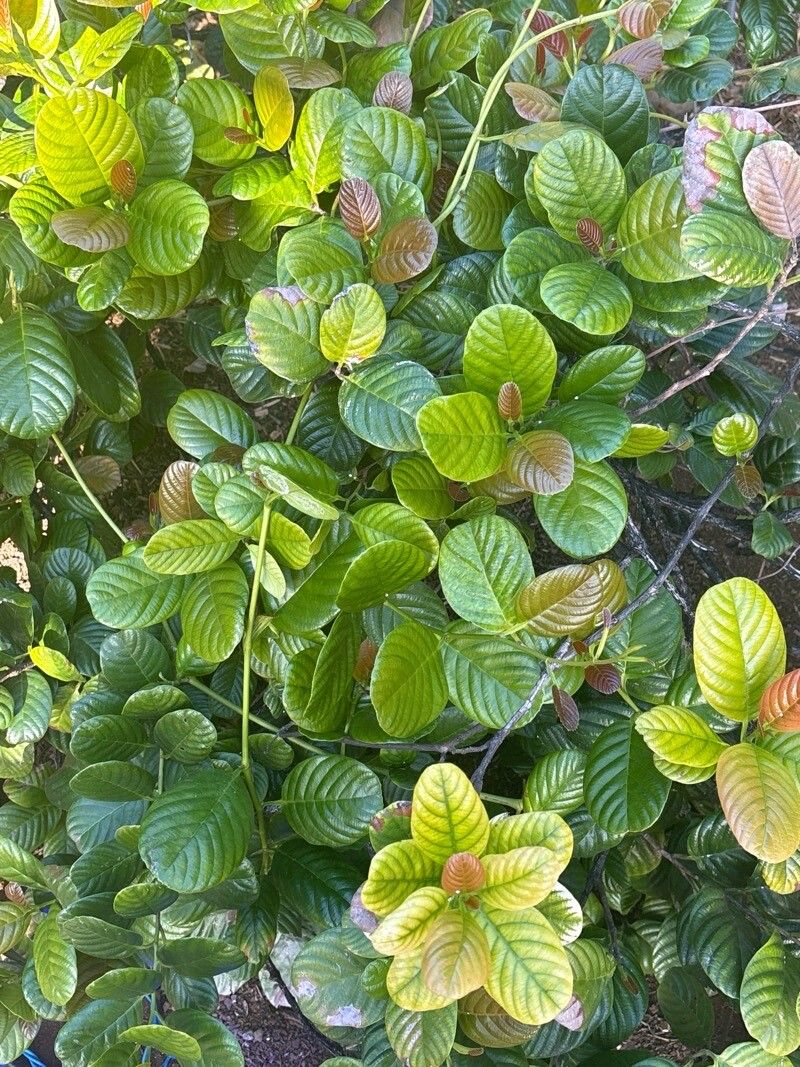
Taming the Vine: Propagation Secrets of the Beautiful Tetracera billardierei
The Tetracera billardierei, also known as the Climbing Guinea Flower or Supple Jack, is a captivating climber native to Australia. Adored for its vibrant white flowers and hardiness, it’s a sought-after addition to gardens seeking a touch of untamed beauty. But how can you welcome this enchanting climber into your own outdoor space?
While readily available at native plant nurseries, propagating your own Tetracera billardierei can be a rewarding experience. Let’s delve into the two most common methods:
1. Propagating from Cuttings:
This technique utilizes the plant’s ability to generate roots from stem segments. Here’s how:
- Timing is Key: The ideal time to take cuttings is during the active growing season, from late spring to early autumn.
- Selecting the Cuttings: Choose healthy, firm stems that haven’t flowered yet. Ideally, the cutting should be around 10-15cm long with several leaf nodes.
- Preparing the Cuttings:
- Using a sharp, sterilized knife or pruning shears, make a clean cut just below a leaf node.
- Remove the leaves from the lower one-third of the cutting.
- To encourage root development, dip the cut end in a rooting hormone (optional but recommended).
- Planting the Cuttings:
- Prepare a pot with a well-draining propagation mix.
- Create a small hole in the mix and gently insert the cutting.
- Firm the mix around the base of the cutting.
- Creating a Humid Environment:
- Cover the pot with a clear plastic bag or use a propagator lid to create a warm, humid environment crucial for root development.
- Place the pot in a brightly lit area but out of direct sunlight.
- Patience is a Virtue: Cuttings can take several weeks to develop roots. Once you see new growth, it indicates successful rooting.
2. Propagating from Seed:
This method involves germinating seeds collected from the plant’s fruit. It can be more challenging than cuttings, as seeds aren’t always readily available.
- Seed Collection: The Tetracera billardierei produces small, hairy fruits. Collect ripe fruits and carefully extract the seeds.
- Seed Preparation:
- Soak the seeds in lukewarm water for 24 hours to improve germination rates.
- Sowing the Seeds:
- Fill a seed tray or pot with a well-draining seed-raising mix.
- Sow the seeds on the surface and lightly cover them with the mix.
- Watering and Light:
- Keep the soil consistently moist but not waterlogged.
- Place the tray in a warm, brightly lit area.
- Germination Time: Seed germination can be erratic and may take several weeks or even months.
Nurturing Your New Plants:
Once your cuttings have rooted or seeds have germinated, it’s important to gradually acclimatize them to outdoor conditions before transplanting them into their permanent locations.
Remember, patience and perseverance are key when propagating any plant. With the right care and attention, you’ll soon have flourishing Tetracera billardierei vines adding a touch of wild beauty to your garden.