
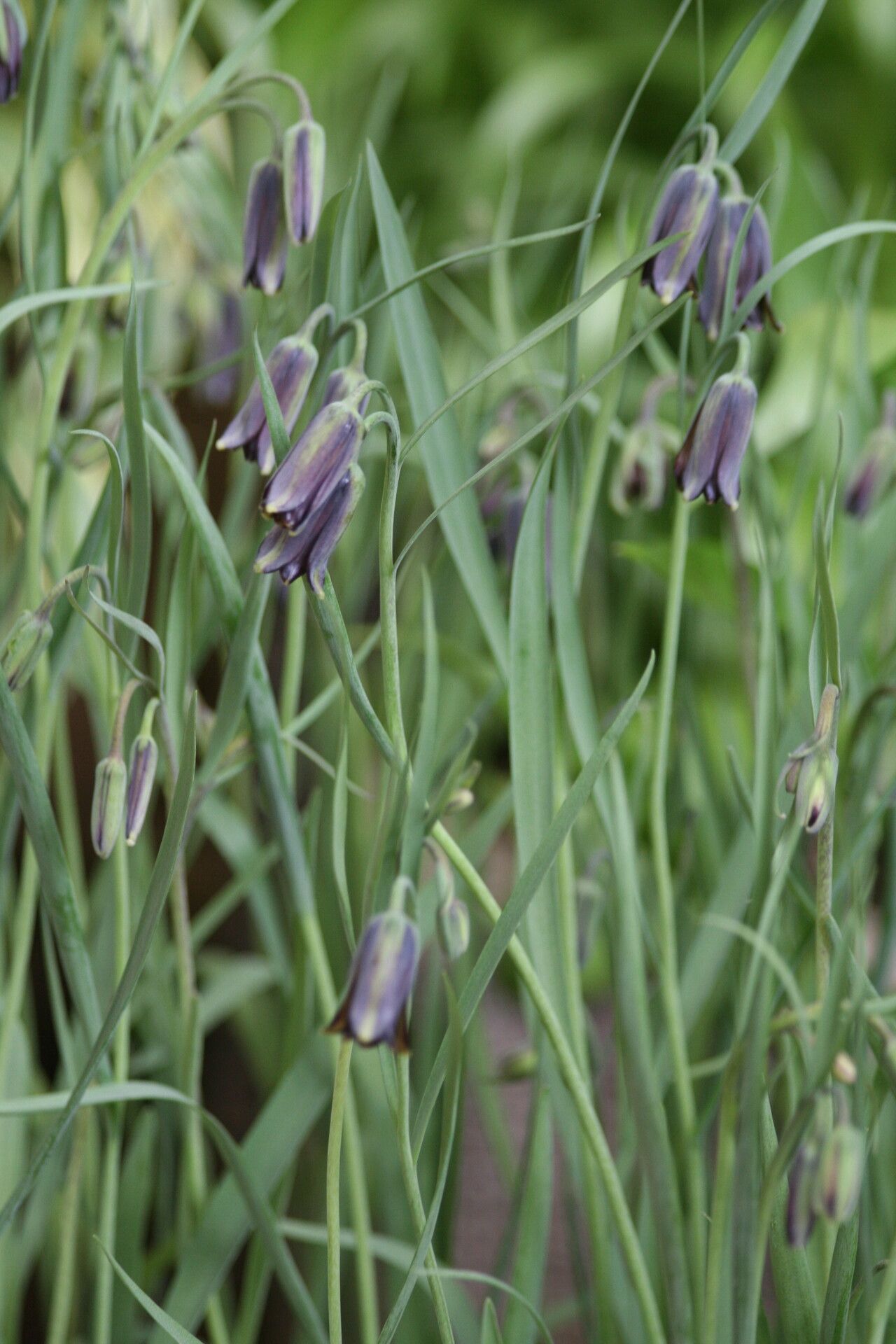
Unlocking the Secrets of Fritillaria elwesii Propagation: A Guide to Multiplying Your Snake’s Head Beauties
Fritillaria elwesii, the majestic “Persian Lily” or “Snake’s Head Fritillary,” captivates with its nodding, bell-shaped flowers adorned with intricate checkered patterns. While these exotic beauties might seem like a gardener’s advanced challenge, propagating Fritillaria elwesii can be surprisingly achievable and rewarding.
This comprehensive guide unlocks the secrets to multiplying your stock, ensuring you have a thriving colony of these enchanting blooms year after year.
Propagation Methods: Choosing Your Path to Fritillaria Abundance
There are two primary methods to propagate Fritillaria elwesii:
1. Seed Propagation: Embracing the Long Game
While potentially rewarding, propagating from seed is a long-term commitment, with plants often taking 3-4 years to reach flowering size. However, it’s an excellent option for producing a larger quantity of plants.
- Seed Collection: After flowering, allow seed pods to mature and dry on the plant. Collect pods when they turn brown and split open easily, revealing flat, papery seeds.
- Sowing: Sow seeds in late summer or early fall in well-draining seed compost. Barely cover the seeds with compost and keep them consistently moist.
- Patience is Key: Seedlings may emerge the following spring but don’t despair if they take longer. Provide consistent care and be prepared for a wait to see them bloom.
2. Bulb Offsets: The Quickest Path to New Blooms
Bulb offsets, or “bulbils,” are small bulbs that develop around the parent bulb. Dividing these offsets offers a faster way to propagate your Fritillaria.
- Timing is Crucial: Lift and divide bulbs in late summer after the foliage has died back naturally.
- Careful Separation: Gently unearth the clump of bulbs and carefully separate offsets from the parent bulb.
- Replanting: Replant both parent bulbs and offsets immediately in well-prepared soil, ensuring they are at the same depth as they were originally growing.
- Quicker Rewards: Offsets will typically bloom the following spring, offering a faster turnaround compared to seed propagation.
Essential Factors for Propagation Success
Regardless of your chosen propagation method, these factors are crucial:
- Well-draining soil: Fritillaria elwesii despise soggy conditions, making good drainage paramount. Amend heavy clay soil with grit or sand to improve drainage.
- Sunlight Requirements: Aim for a location that receives full sun to partial shade, ideally with morning sun and afternoon shade.
- Watering Wisdom: Water generously during the growing season but allow the soil to dry out between waterings. Avoid overwatering, especially during dormancy.
- Pest and Disease Management: Keep an eye out for slugs and snails, which find Fritillaria irresistible. Implement preventative measures like copper tape or diatomaceous earth.
Reaping the Rewards: Witnessing Your Fritillaria Thrive
By mastering the art of propagation, you can create a stunning display of these exotic beauties. The satisfaction of nurturing new life from seed or bulbil, witnessing their growth, and ultimately enjoying their captivating blooms is a reward in itself. So, embrace the journey of propagation and watch your Fritillaria elwesii colony flourish!