
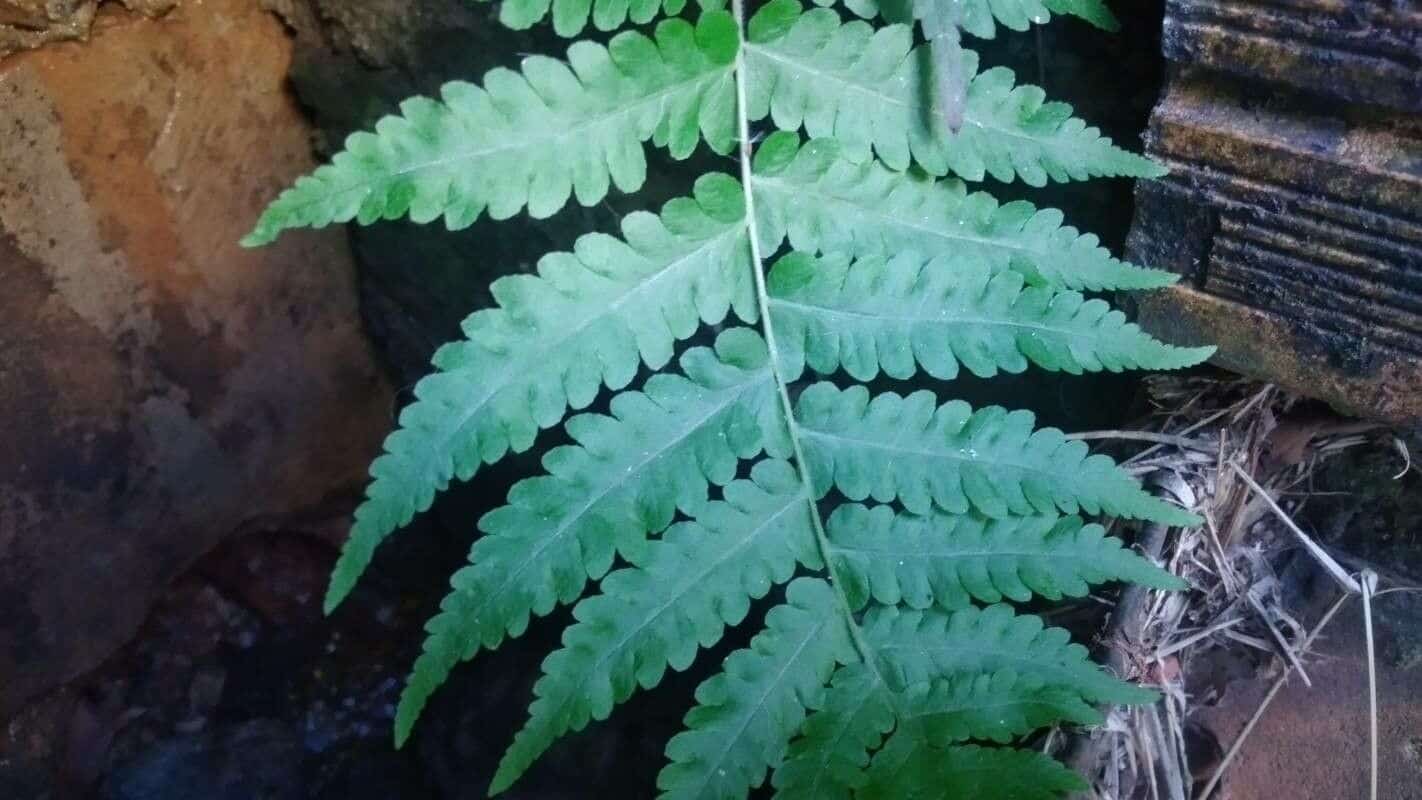
Unfurling the Mysteries: Propagating the Exquisite Cyathea choricarpa Fern
The Cyathea choricarpa, also known as the "creeping tree fern," is a captivating plant with its lacy fronds and imposing stature. Native to the rainforests of Central and South America, this majestic fern adds a touch of the prehistoric to any garden or greenhouse. While acquiring a mature specimen is one route, propagating your own Cyathea choricarpa is an incredibly rewarding experience. Prepare to delve into the intriguing world of fern reproduction as we uncover the secrets to success.
Understanding the Challenges:
Unlike many flowering plants that readily propagate through seeds or cuttings, ferns like the Cyathea choricarpa reproduce through spores. These tiny, dust-like particles are housed in structures called sporangia, clustered together in sori located on the undersides of fronds. While seemingly simple, spore propagation requires patience, meticulous care, and an understanding of the fern’s life cycle.
Step-by-Step Guide to Propagation:
1. Spore Collection: When the sori on the underside of mature fronds darken, indicating maturity, carefully cut a frond section. Place it in a paper bag and allow the spores to release naturally over a day or two.
2. Preparing the Spore Bed: The ideal medium for spore germination is a sterile, well-draining mix. Peat-based seed starting mixes or a blend of peat, perlite, and vermiculite work well. Fill shallow trays or pots, moisten the medium thoroughly, and gently press the surface to create a level bed.
3. Sowing the Spores: Dust the collected spores lightly over the surface of the prepared medium. Do not bury them, as light aids in germination.
4. Creating a Humid Environment: Cover the trays or pots with clear plastic wrap or a humidity dome to create a warm, humid environment crucial for spore germination. Place them in a shaded area with indirect light and maintain temperatures between 70-80°F (21-27°C).
5. The Waiting Game: Be patient! Spore germination can take anywhere from a few weeks to several months. Ensure the medium remains consistently moist but not waterlogged. Mold growth indicates excessive moisture and requires prompt attention.
6. From Sporelings to Ferns: Once the spores germinate, they’ll resemble a fine, green moss covering the medium. These are the prothalli, the gametophyte stage of the fern’s life cycle. Continue providing humidity and indirect light. After a few months, tiny fernlets will emerge from the prothalli.
7. Potting Up Your Ferns: Once the fernlets develop several fronds and a strong root system, they are ready for individual pots. Use a well-draining potting mix and choose pots slightly larger than the root ball.
Nurturing Your Cyathea choricarpa:
Successfully propagating your Cyathea choricarpa is just the beginning. These ferns thrive in humid environments with bright, indirect light and consistently moist soil. Regular misting and a well-draining potting mix are crucial for their well-being. Fertilize monthly during the growing season with a balanced, diluted liquid fertilizer.
Propagating the Cyathea choricarpa may seem like a journey into the unknown, but with patience and dedication, you can witness the magic of fern reproduction firsthand. The satisfaction of nurturing these ancient wonders from spores to thriving plants is an experience like no other. So, why not embark on this botanical adventure and bring a touch of the prehistoric into your own home?