
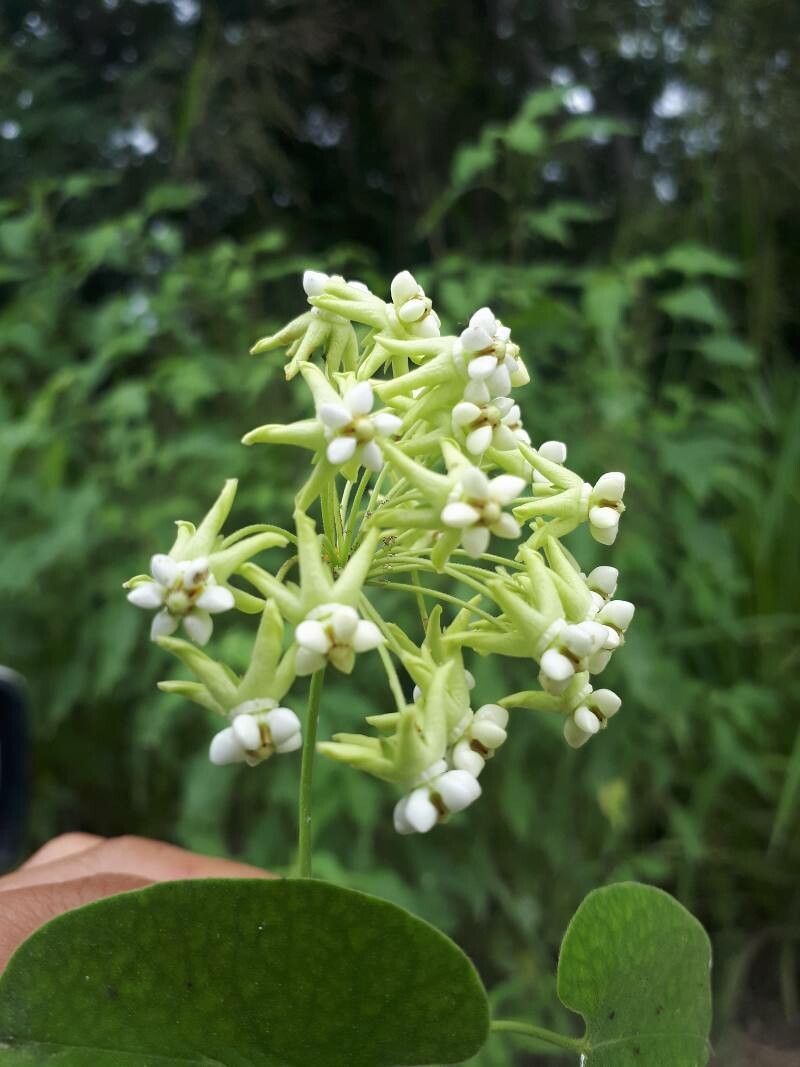
Unlock the Secrets: Propagating the Majestic Poke Milkweed (Asclepias exaltata)
The Poke Milkweed (Asclepias exaltata), with its towering height and delicate clusters of white blooms, adds a touch of ethereal beauty to any shade garden. But did you know that this majestic plant, a vital food source for Monarch butterflies, can be easily propagated at home?
Whether you’re a seasoned gardener or a budding enthusiast, this guide will walk you through the secrets of successfully propagating Poke Milkweed, allowing you to expand your garden’s impact and contribute to the well-being of these crucial pollinators.
Two Roads to Success: Seed and Division
Poke Milkweed offers two main avenues for propagation: seeds and division. Each method presents its own benefits and challenges, giving you the flexibility to choose the one that best suits your gardening style.
1. The Magic of Seeds:
- Timing is Key: Collect mature seed pods in late summer or early fall. Look for pods that are dry, brown, and beginning to split open.
- Cold Stratification: Poke Milkweed seeds require a period of cold treatment (stratification) to break dormancy. You can either sow seeds directly in the fall or stratify them indoors by placing them in moist sand or vermiculite inside a sealed bag in the refrigerator (40°F) for at least 30 days.
- Sowing Time: For direct sowing, wait until after the first frost. Indoors, start seeds 6-8 weeks before the last expected frost.
- Light and Soil: Utilize a well-draining seed starting mix and ensure the seeds receive bright, indirect light.
- Germination Patience: Germination may take anywhere from 2 weeks to several months. Don’t lose hope!
2. The Art of Division:
- Mature Plants Only: Division is best suited for established plants that are at least 3 years old.
- Spring Awakening: Early spring, just as new growth begins to emerge, is the optimal time for division.
- Digging Deep: Carefully dig around the plant, ensuring you unearth a significant portion of the root system.
- Separation Anxiety: Gently tease apart the roots into sections, ensuring each division has a healthy chunk of roots and at least one growth point.
- Replanting and TLC: Replant divisions at the same depth they were originally growing and water thoroughly.
A Few Words of Wisdom:
- Patience, Young Padawan: Poke Milkweed can take a couple of seasons to establish itself, so don’t be discouraged if you don’t see abundant blooms in the first year.
- Sunlight Seekers, Shade Lovers: While Poke Milkweed prefers partial shade, it can tolerate full sun in cooler climates.
- Well-Drained Delight: Ensure your soil has good drainage to prevent root rot.
By following these propagation methods, you’ll soon be enjoying the graceful presence of Poke Milkweed in your garden while contributing to the vital task of Monarch butterfly conservation. Happy gardening!