
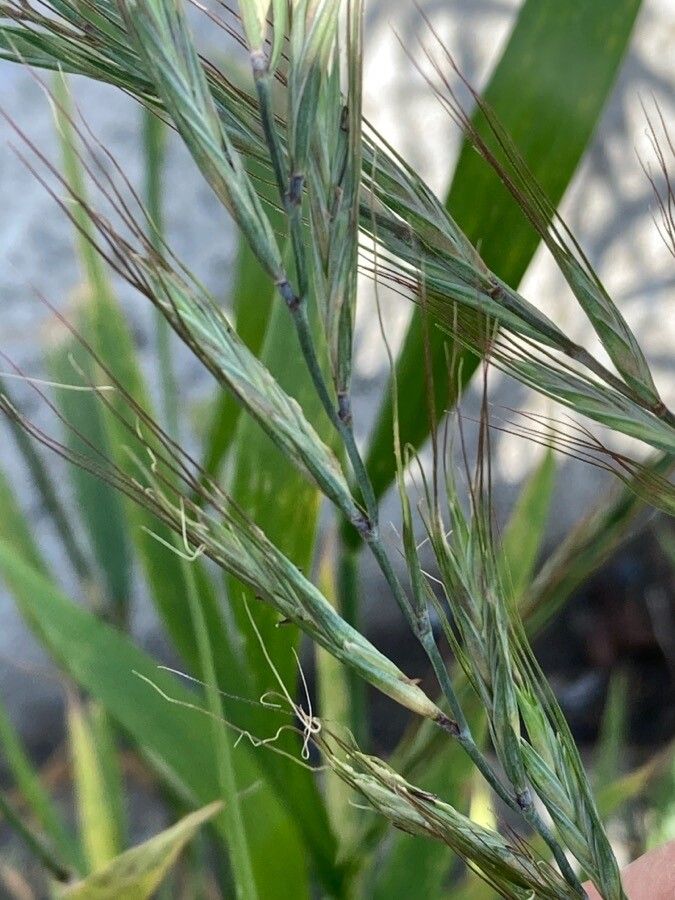
Tame the Windswept Beauty: Propagating Japanese Silver Grass (Elymus tsukushiensis)
Japanese silver grass (Elymus tsukushiensis), with its graceful plumes dancing in the wind, is a sight to behold. This ornamental grass adds texture, movement, and a touch of ethereal beauty to any landscape. If you’re looking to multiply this enchanting plant in your garden, you’ll be pleased to know that propagating Elymus tsukushiensis is an achievable task, even for beginners. Let’s explore the two main methods:
1. Division: The Gift that Keeps on Giving
Division is the easiest and most common way to propagate Japanese silver grass. This method involves digging up an established clump and dividing it into smaller sections, each capable of growing into a new plant.
Here’s how:
- Timing is Everything: The best time to divide Japanese silver grass is in early spring, just as new growth emerges.
- Dig Deep: Using a sharp spade, carefully dig around the perimeter of the clump you want to divide. Dig deep enough to avoid damaging the roots.
- Gentle Separation: Lift the entire clump out of the ground and shake off excess soil. You can use your hands or two garden forks (back-to-back) to gently pry the clump apart into smaller sections. Each section should have a good amount of roots attached.
- Replant and Enjoy: Choose a sunny location with well-drained soil to replant your divisions. Plant them at the same depth they were originally growing and water thoroughly.
Pro Tip: Dividing your Japanese silver grass every 3-4 years not only gives you more plants but also helps maintain the vigor and health of the mother plant.
2. Seed Starting: A More Patient Approach
While slightly more challenging, starting Japanese silver grass from seed can be a rewarding experience.
Here’s what you need to know:
- Seed Collection: Collect seed heads from a mature plant in late summer or fall, once they turn golden brown.
- Stratification (Nature’s Secret): For best results, cold stratify the seeds by storing them in a moist paper towel inside a sealed plastic bag in the refrigerator for 4-6 weeks. This mimics the natural winter conditions required for germination.
- Sowing Time: Start seeds indoors 6-8 weeks before the last frost or sow directly outdoors after the threat of frost has passed.
- Planting Depth: Plant seeds ¼ inch deep in a well-draining seed starting mix.
- Keep it Consistent: Keep the soil consistently moist but not waterlogged. Germination typically takes 2-3 weeks.
- Transplant with Care: Once seedlings develop a strong root system and are large enough to handle, transplant them into individual pots or directly into the garden.
Pro Tip: When starting from seed, you might encounter variations in the offspring due to genetic diversity. This can be part of the fun, leading to unique variations in your garden.
Enjoying the Fruits of Your Labor
Whether you choose division or seed starting, propagating Elymus tsukushiensis will reward you with more of this captivating plant. Imagine the gentle sway of its feathery plumes, the rustling sound in a gentle breeze, and the mesmerizing dance of sunlight on its silvery blades – all multiplying the enchantment in your garden year after year.