
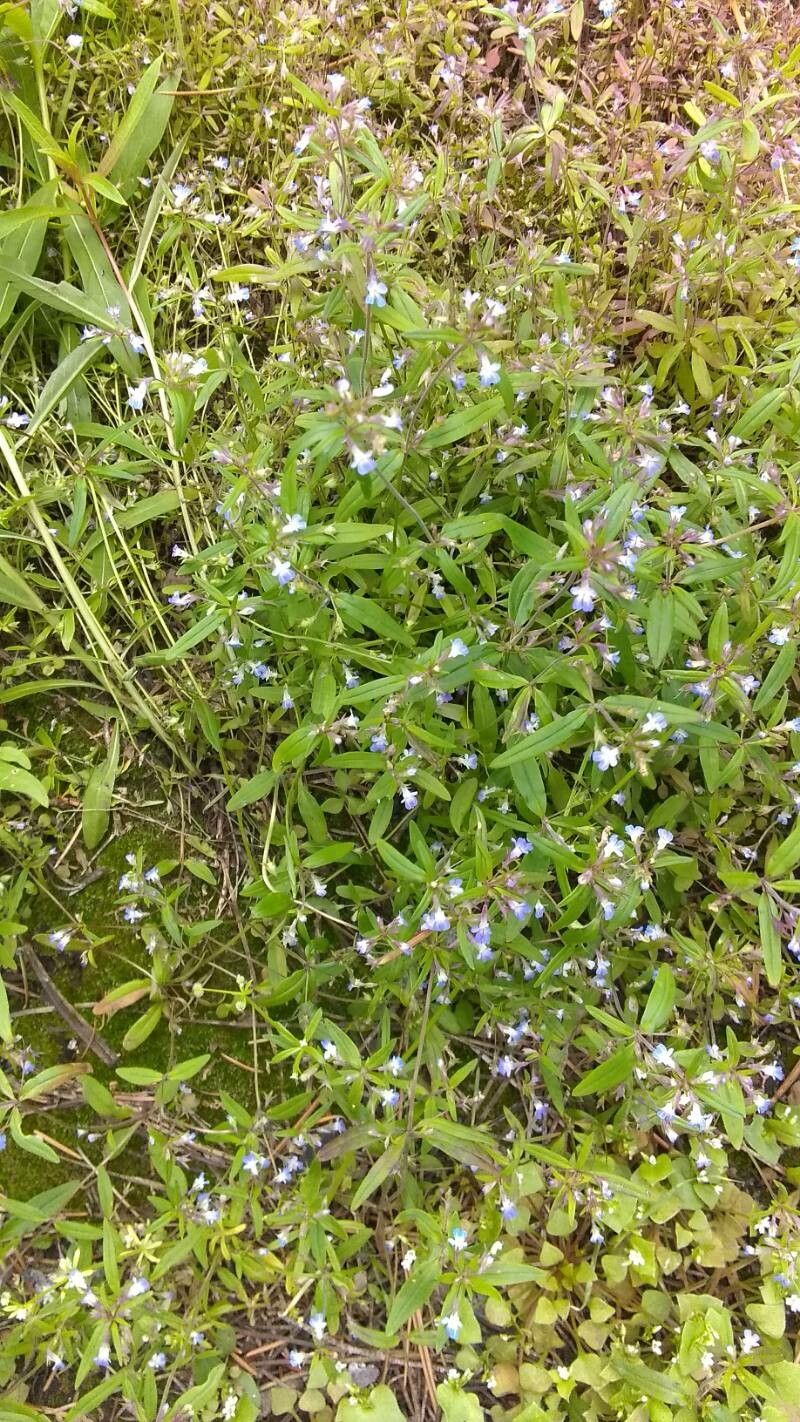
Tiny Blooms, Big Rewards: Propagating the Charming Collinsia Parviflora
The world of wildflowers is brimming with delicate beauties, and among them shines Collinsia parviflora, commonly known as the Blue-eyed Mary. Don’t let the “small-flowered” translation of its Latin name fool you; this annual plant packs a punch of charm with its intricate, two-toned blossoms. Native to western North America, Collinsia parviflora is a delightful addition to wildflower meadows, woodland gardens, or even a simple pot on your patio.
If you’re ready to welcome this little charmer into your life, the good news is that propagating Collinsia parviflora is relatively straightforward. Whether you’re a seasoned gardener or just starting your green journey, this guide will equip you with the knowledge to successfully grow this lovely wildflower.
Two Paths to Propagation:
1. Seed Sowing: Collinsia parviflora readily reseeds itself in the wild, so direct sowing is the most natural and effective method.
- Timing is Key: For best results, sow your seeds in the fall. This allows them to experience the natural freeze-thaw cycle over winter, which helps break their dormancy and promotes germination in the spring.
- Location, Location, Location: Collinsia parviflora prefers well-drained soil and dappled sunlight or partial shade. Choose a spot in your garden that mimics these conditions.
- Sowing with Care: Scatter the seeds on the soil surface and lightly rake them in. No need to bury them deeply; simply ensure good contact with the soil.
- Patience is a Virtue: Germination typically takes place in early spring as temperatures begin to rise. Once your seedlings emerge, thin them out to about 6 inches apart to give them room to grow.
2. Starting Indoors (Optional):
- For a head start: If you’re eager to get a jump on the growing season, you can start your Collinsia parviflora seeds indoors about 6-8 weeks before the last expected frost.
- Get the Right Tools: Use a seed starting mix and sow the seeds in biodegradable pots to minimize root disturbance during transplanting.
- Mimic Nature: Provide your seedlings with plenty of indirect sunlight and keep the soil consistently moist but not waterlogged.
- Harden Off Before Transplanting: Gradually acclimate your seedlings to outdoor conditions about a week before you plan to transplant them to avoid shock. Choose a cloudy day or late afternoon for transplanting and water them well.
Care Tips for Thriving Collinsia:
Once established, Collinsia parviflora is relatively low-maintenance. Here are a few tips to help your plants thrive:
- Water Wisely: Water regularly during dry periods, especially during the first year after planting. This will encourage strong root development.
- Fertilize Sparingly: Collinsia parviflora is adapted to nutrient-poor soils and usually doesn’t require fertilization. If you choose to fertilize, use a balanced, slow-release fertilizer diluted to half strength.
- Deadhead Spent Blooms (Optional): While not essential, deadheading can encourage bushier growth and prolong the blooming period.
With a little effort, you can enjoy the delicate beauty of Collinsia parviflora in your garden. This charming wildflower will add a touch of whimsy and attract beneficial pollinators, making your outdoor space even more inviting. So go ahead, embrace the joy of propagation and watch as these tiny blooms bring big rewards to your garden!