
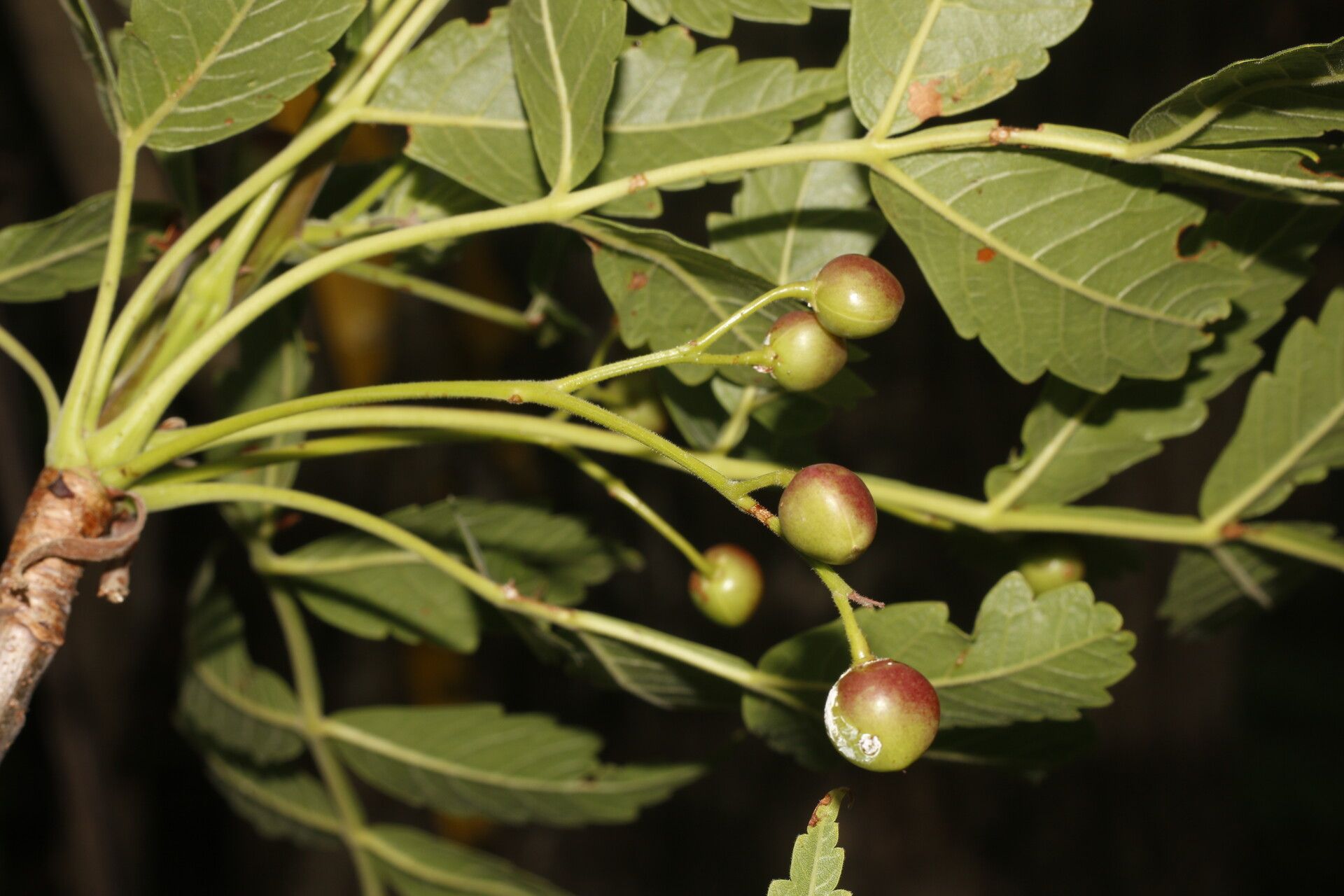
Unlocking the Secrets: How to Propagate Palo Santo (Bursera graveolens)
Palo Santo, Spanish for “holy wood,” is revered for its aromatic wood and purported spiritual cleansing properties. This remarkable tree, scientifically known as Bursera graveolens, has experienced a surge in popularity, leading to concerns about overharvesting. Fortunately, propagating your own Palo Santo is achievable and rewarding, ensuring the sustainability of this precious species.
This guide dives deep into two primary propagation methods:
1. Seed Propagation: A Journey of Patience and Care
- Source Fresh Seeds: Sourcing viable seeds is crucial. Look for reputable online retailers or nurseries specializing in exotic plants.
- Prepare for Germination: Palo Santo seeds benefit from scarification, a process of gently scratching or nicking the hard outer coat to improve water absorption. Soak the seeds in warm water for 24 hours before sowing.
- Provide the Ideal Environment: Utilize a well-draining seed starting mix and plant the seeds about 1/2 inch deep. Maintain a consistently moist environment (not waterlogged). A propagation dome or plastic wrap can help retain humidity.
- Be Patient: Germination can take anywhere from a few weeks to a couple of months. Be prepared for a potentially low germination rate, which is typical for Palo Santo.
- Nurture the Seedlings: Once germinated, provide bright, indirect light. Allow the soil to slightly dry between waterings to prevent root rot.
2. Stem Cuttings: A Faster Route to Rooted Success
- Timing is Key: Spring and early summer, when the tree is actively growing, offer the best chances for successful propagation from cuttings.
- Select Healthy Stems: Choose semi-hardwood cuttings, which are firm but not entirely woody, approximately 4-6 inches long.
- Prepare the Cuttings: Remove leaves from the bottom half of the cutting. A rooting hormone, while not essential, can significantly increase the success rate. Dip the cut end in the hormone before planting.
- Potting and Care: Plant the cuttings in a well-draining potting mix specifically formulated for cuttings. Water thoroughly and maintain a humid environment, similar to seed propagation.
- Patience Leads to Roots: Rooting can take several weeks. You’ll know it’s successful when you see new growth developing on the cuttings.
Essential Tips for Success:
- Mimic the Natural Environment: Palo Santo thrives in warm temperatures and well-drained soil. It’s accustomed to dry periods, so avoid overwatering.
- Patience is a Virtue: Propagating Palo Santo takes time and dedication. Don’t be discouraged if you don’t see results immediately.
- Research is Key: While this guide provides a solid foundation, continue researching and adapting your techniques based on your environment and resources.
By successfully propagating Palo Santo, you’re not just growing a tree, you’re contributing to the preservation of this culturally significant species for generations to come. The journey may be lengthy, but the rewards – a beautiful, aromatic tree and the satisfaction of contributing to conservation – are well worth the effort.