
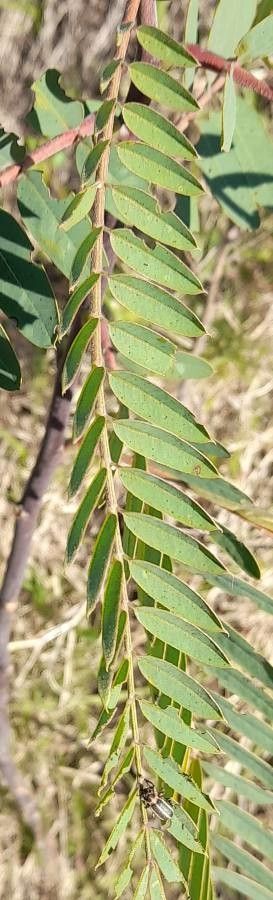
Unleash the Scarlet Wisteria: A Guide to Propagating Sesbania punicea
Sesbania punicea, known by enchanting names like Scarlet Wisteria, Red Sesbania, or even the slightly ominous Rattlebox Tree, is a fast-growing wonder that can quickly transform your garden into a fiery spectacle. While its vibrant scarlet blooms steal the show, many shy away from cultivating this beauty due to a perceived difficulty in propagation. Worry not! This guide unveils the secrets to successfully propagating Sesbania punicea and welcoming its fiery charm to your own backyard.
Two Paths to Propagation
Sesbania punicea offers two primary methods of propagation: by seed and by cuttings. Each has its own advantages, allowing you to choose the approach that best suits your gardening style and resources.
1. The Seed Route: Embracing the Cycle of Life
Propagating Sesbania punicea from seed is a rewarding experience that allows you to witness the plant’s entire life cycle.
Here’s how:
- Seed Collection: The plant produces abundance of seed pods that resemble pea pods. Allow these pods to dry on the plant until they turn brown and start to split open, revealing small, brown seeds.
- Scarification: Sesbania seeds have a hard outer coating that requires scarification to enhance germination rates. Gently nick or sand the seed coat, creating a small opening for water absorption.
- Soaking: Soak the scarified seeds in warm water for 12-24 hours to further encourage germination.
- Sowing: Plant the seeds about ¼ – ½ inch deep in a well-draining seed starting mix. Keep the soil consistently moist but not waterlogged.
- Patience: Germination can take anywhere from 1 to 4 weeks. Be patient and provide warmth and indirect sunlight.
2. The Cuttings Method: A Shortcut to Success
For a faster and potentially more predictable approach, consider propagating Sesbania punicea from cuttings.
Follow these steps:
- Select a Healthy Parent Plant: Choose a vigorous Sesbania punicea specimen with healthy stems and foliage.
- Take Cuttings: Using clean, sharp pruning shears, take 4-6 inch cuttings from the tips of new growth. Make the cut just below a leaf node.
- Prepare the Cuttings: Remove leaves from the lower half of the cutting, leaving only a few leaves at the top. Dip the cut end in rooting hormone (optional but recommended).
- Planting: Plant the cuttings in a well-draining potting mix, burying at least two leaf nodes.
- Create a Humid Environment: Cover the pot with a plastic bag or humidity dome to help retain moisture.
- Light and Watering: Place the cuttings in a bright location with indirect sunlight. Keep the soil consistently moist but be careful not to overwater.
- Rooting: In 4-6 weeks, your cuttings should develop roots and show signs of new growth.
Important Considerations:
- Timing: The ideal time for sowing seeds or taking cuttings is in the spring or early summer, providing ample time for growth before the arrival of colder weather.
- Sunlight: Sesbania punicea thrives in full sun, so choose a location in your garden that receives at least 6 hours of direct sunlight daily.
- Invasive Potential: Be aware that Sesbania punicea can be invasive in some regions. Check with your local authorities or garden experts to assess its suitability for your area.
With a little patience and care, you can successfully propagate Sesbania punicea and enjoy the fiery beauty of its cascading blooms year after year. Whether you choose the rewarding journey of seed propagation or the relative speed of cuttings, you’ll soon find your garden adorned with this captivating botanical wonder!