
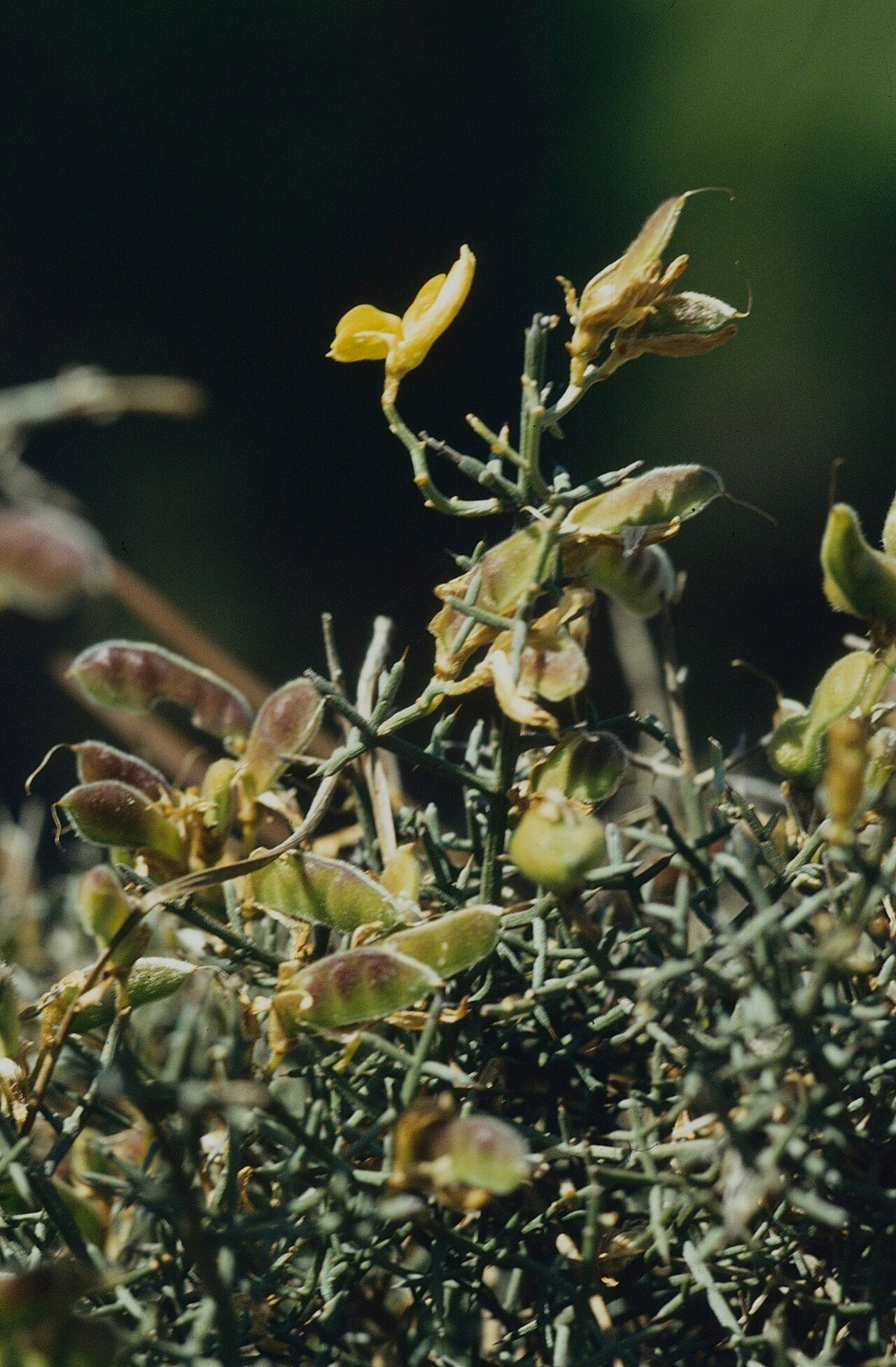
Taming the Portuguese Broom: Propagating Stauracanthus genistoides
The Stauracanthus genistoides, also known as the Portuguese broom, is a captivating shrub celebrated for its vibrant yellow blooms and delicate, feathery foliage. Native to the Iberian Peninsula, this sun-loving beauty brings a touch of Mediterranean charm to gardens around the world. While readily available at some nurseries, propagating your own Stauracanthus genistoides can be a rewarding experience. Let’s delve into the two most effective methods:
1. Seed Propagation: A Test of Patience
Propagating Stauracanthus genistoides from seed requires patience, as the seeds have a naturally tough outer coating that delays germination. However, this method offers the satisfaction of nurturing a plant from its very beginning.
- Seed Collection: Harvest mature seed pods in late summer or early fall when they turn brown and dry. Store seeds in a cool, dry place until you’re ready to sow.
- Pre-Treatment: To improve germination rates, lightly scarify the seeds by rubbing them gently between two pieces of sandpaper. Then, soak the seeds in warm water for 24 hours before sowing.
- Sowing: Plant the seeds in a well-draining seed-starting mix, covering them lightly with soil. Mist the soil surface and cover the tray with a propagator lid or plastic wrap to create a humid environment.
- Germination: Place the tray in a warm, bright location out of direct sunlight. Be patient, as germination can take anywhere from a few weeks to several months.
- Transplanting: Once seedlings develop two sets of true leaves, transplant them into individual pots filled with a well-draining potting mix. Gradually acclimate them to outdoor conditions before planting in their permanent location.
2. Semi-Hardwood Cuttings: A Faster Approach
Propagating Stauracanthus genistoides from semi-hardwood cuttings offers a faster route to establishing new plants. Here’s how:
- Timing: Take cuttings in late summer or early fall when the plant’s growth is partially mature.
- Cutting Selection: Select healthy stems that are about 4-6 inches long with no flowers or buds. Make a clean cut just below a leaf node.
- Preparing the Cuttings: Remove the lower leaves from the cutting, leaving only two or three pairs at the top. Dip the cut end in rooting hormone powder to encourage root development.
- Planting: Insert the cuttings into a pot filled with a mix of perlite and peat moss. Water well and cover with a plastic bag or propagator lid to maintain humidity.
- Rooting: Place the pot in a bright location out of direct sunlight. Within 4-8 weeks, the cuttings should develop roots.
- Transplanting: Once roots have formed, gently transplant the cuttings into individual pots filled with well-draining potting soil. Gradually acclimate them to outdoor conditions before planting in their final location.
Caring for Your New Stauracanthus Genistoides
Whether you choose seed propagation or cuttings, these tips will help your new plants thrive:
- Sunlight: Provide at least 6 hours of direct sunlight daily.
- Soil: Plant in well-drained soil with a slightly acidic to neutral pH.
- Watering: Water deeply but infrequently, allowing the soil to dry out slightly between waterings. Avoid overwatering, as this can lead to root rot.
- Pruning: Prune lightly after flowering to maintain shape and encourage bushier growth.
With a bit of patience and care, you can successfully propagate your own Stauracanthus genistoides. The reward of enjoying these vibrant and charming plants in your garden is well worth the effort.