
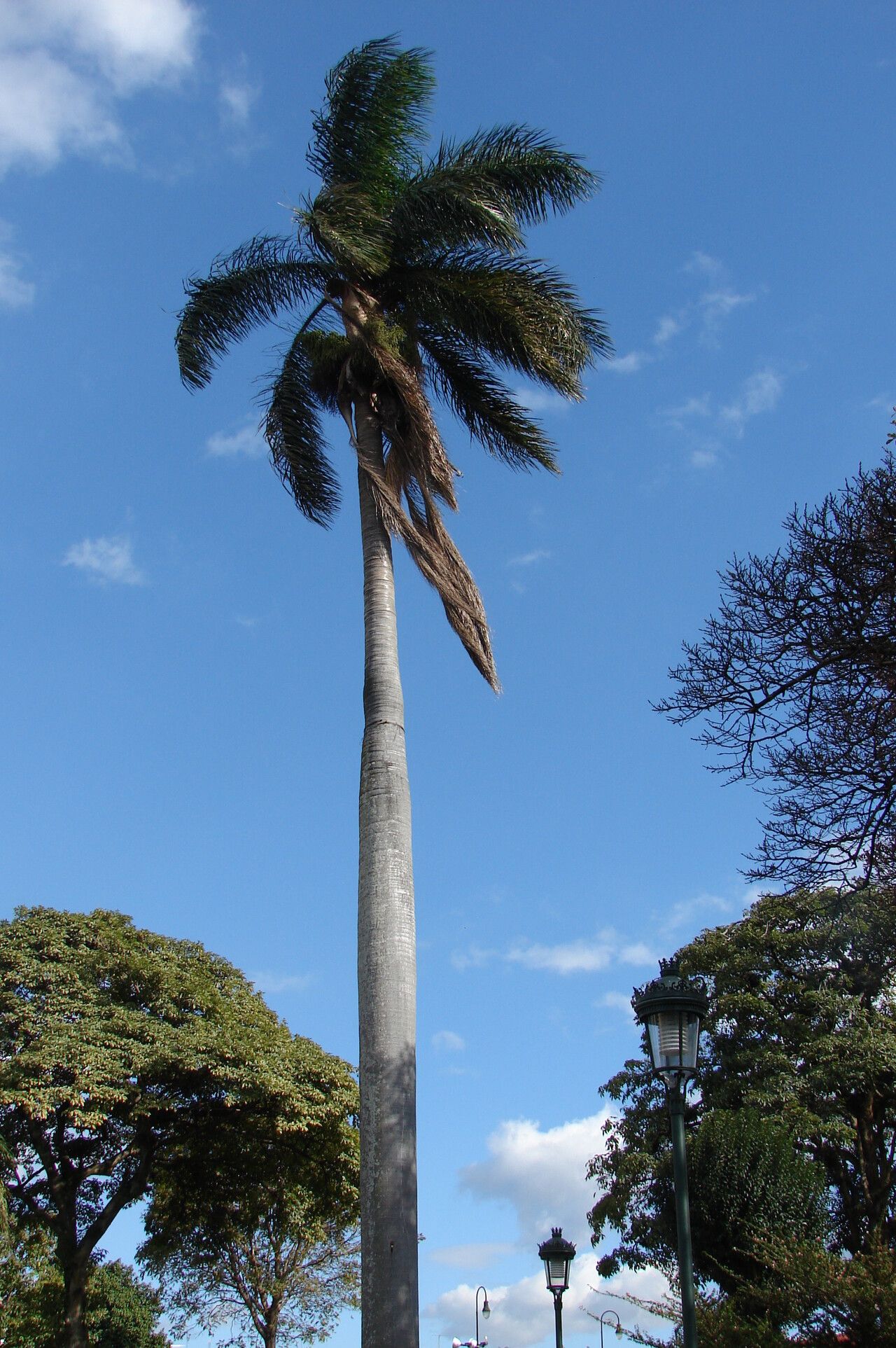
Raising Royalty: A Guide to Propagating the Majestic Roystonea borinquena
The Roystonea borinquena, also known as the Puerto Rican Royal Palm, commands attention. Its towering presence, graceful fronds, and iconic silhouette evoke a sense of tropical grandeur. While admiring its beauty in its natural habitat is a treat, few experiences rival the satisfaction of successfully cultivating your own majestic palm.
This guide delves into the art of propagating Roystonea borinquena, offering valuable insights to help you nurture these gentle giants from seed to sprout and beyond.
The Seed of Potential: Starting Your Journey
Unlike some palms that reproduce through offshoots, the Roystonea borinquena relies solely on seeds for propagation. Fortunately, these seeds are relatively easy to obtain and germinate. Look for reputable seed suppliers online or at specialized nurseries.
Germination: Patience is Key
Seed Selection: Begin with fresh, plump seeds for the highest germination rates. Avoid any that appear damaged or discolored.
Pre-treatment: While not essential, soaking the seeds in lukewarm water for 24-48 hours can accelerate the germination process by softening the outer shell.
Planting Medium: A well-draining, airy mix is crucial. A blend of peat moss, perlite, and vermiculite works well. You can also use seed-starting mixes specifically formulated for palms.
Sowing: Plant seeds about an inch deep in your chosen medium, ensuring they are well-covered.
Environment: Maintain consistently warm temperatures (around 75-85°F) and high humidity. A humidity dome or placing the pots in a warm, brightly lit location can help.
- Patience: Germination can be a waiting game. It may take anywhere from a few weeks to a few months for sprouts to emerge. Be patient, and don’t despair if some seeds take longer than others.
Nurturing Your Royal Palm: Transplanting and Care
Transplanting: Once your seedling develops a few sets of true leaves and a sturdy root system (visible from drainage holes), it’s time to transplant into a larger pot. Choose a pot slightly larger than the root ball, allowing room for growth.
Soil and Sunlight: Use a well-draining potting mix rich in organic matter. Gradually acclimate your young palm to increasing amounts of sunlight, eventually aiming for at least 6 hours of direct sunlight daily.
Watering and Fertilizing: Water your palm deeply when the topsoil feels dry to the touch. Avoid overwatering, as this can lead to root rot. Fertilize regularly during the growing season (spring and summer) with a balanced, slow-release palm fertilizer.
- Pest and Disease Control: Roystonea borinquena are generally resistant to pests and diseases. However, keep an eye out for common issues like spider mites or fungal infections. Address any problems promptly with appropriate treatments.
A Legacy in the Making:
Propagating and nurturing a Roystonea borinquena is a rewarding endeavor, allowing you to cultivate a piece of tropical elegance. With patience, care, and a touch of green thumb magic, you’ll witness the transformation from a humble seed to a majestic palm, casting a legacy of beauty for generations to come.