
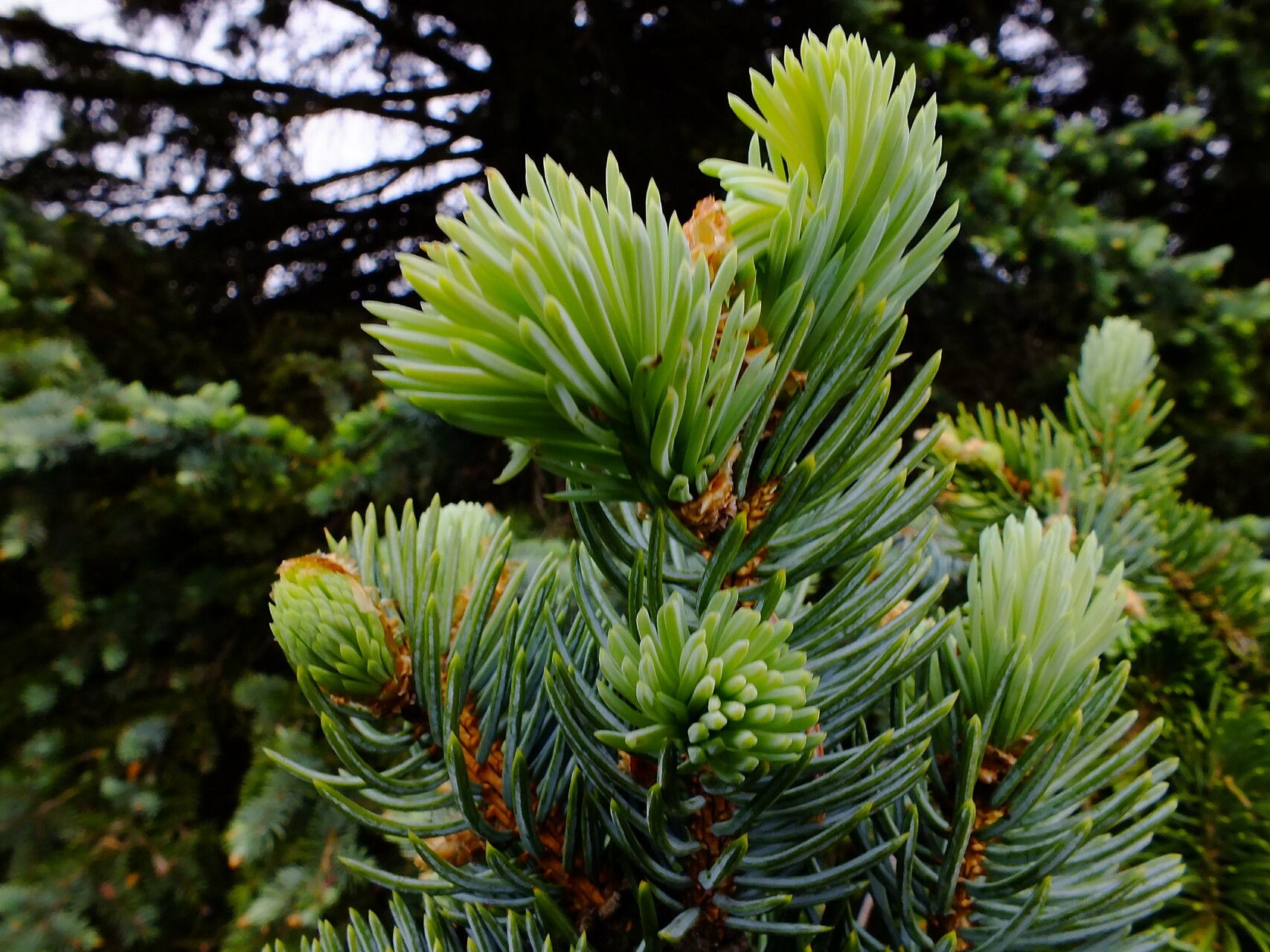
Conquering the Engelmann Spruce: A Guide to Propagating This Majestic Evergreen
The Engelmann Spruce (Picea engelmannii), with its spire-like form and bluish-green needles, evokes images of majestic mountain landscapes. While admiring these giants in the wild is awe-inspiring, wouldn’t it be amazing to cultivate your own piece of that grandeur? Propagating Engelmann Spruce might seem daunting, but with the right knowledge and a dash of patience, you can successfully introduce this beautiful conifer to your landscape.
This guide will delve into two primary methods of propagation for the Engelmann Spruce – seed propagation and propagation from cuttings.
Method 1: Seed Propagation – A Test of Patience and Timing
Seed propagation might seem like the most straightforward method, but it requires diligence and an understanding of seed dormancy. Here’s how to tackle it:
1. Seed Collection and Storage:
- Timing is Key: Collect cones in late summer or early fall when they are still closed but turning brown.
- Extraction: Place the cones in a warm, dry location to allow the scales to open and release the seeds.
- Storage: Store seeds in a cool, dry place until you’re ready to plant.
2. Breaking Dormancy: The Cold, Hard Truth
Engelmann Spruce seeds require a period of cold stratification to break dormancy. This mimics the natural winter conditions they would experience in the wild:
- Stratification Process: Place seeds in a moist medium (like peat moss or vermiculite) and store them in the refrigerator (around 40°F) for 60-90 days.
3. Sowing the Seeds:
- Timing: Start seeds indoors in late winter or sow directly outdoors after the last frost.
- Sowing: Plant seeds about 1/4 inch deep in a well-draining seed starting mix.
- Light and Moisture: Provide ample light (but not direct sunlight) and keep the soil consistently moist.
4. Patience, Young Padawan:
- Germination Time: Be prepared to wait – germination can take several weeks.
- Transplanting: Once seedlings are a few inches tall, harden them off gradually by introducing them to outdoor conditions before transplanting them to their permanent location.
Method 2: Propagation from Cuttings – A Faster Track to Success
Propagating from cuttings, while slightly more advanced, can yield quicker results. Follow these steps:
1. Timing and Selection:
- Ideal Time: Take cuttings in late spring or early summer from new growth that is just starting to harden.
- Choosing Cuttings: Select healthy, vigorous shoots that are 4-6 inches long.
2. Preparing the Cuttings:
- Remove Lower Needles: Strip off the needles from the bottom inch of the cutting.
- Wound the Cutting: Make a small cut or scrape on the bottom inch of the stem to expose the cambium layer.
- Rooting Hormone (Optional): Dip the wounded end in rooting hormone to encourage root development.
3. Planting the Cuttings:
- Choose Your Medium: Use a well-draining rooting mix or a mixture of peat moss and perlite.
- Planting: Insert the cuttings about an inch deep into the medium.
- Humidity is Key: Cover the cuttings with a clear plastic bag or humidity dome to maintain moisture.
4. Patience and Monitoring:
- Rooting Time: It can take several weeks for roots to develop.
- Check for Moisture: Keep the medium consistently moist but not waterlogged.
Transplanting: Once roots have formed and new growth appears, gradually acclimate the cuttings to outdoor conditions before planting in their permanent location.
A Final Note on Patience
Propagating Engelmann Spruce, regardless of the method, requires a good deal of patience. Don’t be discouraged if you don’t succeed on your first attempt. With careful attention to detail and a commitment to providing the right conditions, you can experience the satisfaction of nurturing these magnificent trees from their earliest stages. And remember, the reward of watching your very own Engelmann Spruce thrive will be well worth the effort.