
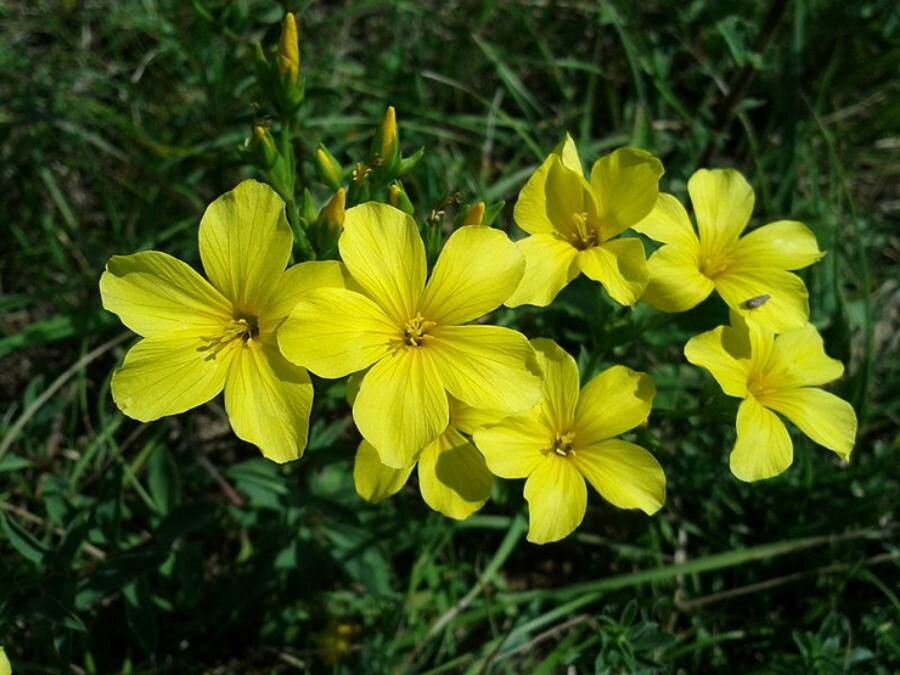
Golden Flax Propagation: Sharing the Sunshine with More Blooms
Linum flavum, more affectionately known as Golden Flax, is a sight to behold. Imagine a cascade of vibrant yellow, star-shaped flowers dancing atop slender stems, attracting a symphony of bees to your garden. This delightful perennial, native to central and southern Europe, isn’t just a pretty face—its resilience and low-maintenance nature make it a favorite amongst gardeners of all levels.
Ready to welcome more of this golden wonder into your life? Let’s delve into the world of Linum flavum propagation and discover the different methods to multiply your sunny blossoms:
1. Sow the Seeds of Success: Propagating Linum Flavum from Seed
Starting Golden Flax from seed is a rewarding endeavor that offers the satisfaction of nurturing a plant from its very beginning. Here’s how:
- Timing is Key: Ideally, sow seeds directly outdoors after the last frost in spring. Alternatively, start them indoors 6-8 weeks before your last frost date.
- Sowing the Seeds: Scatter seeds on well-draining seed starting mix and lightly press them down. Don’t bury them deep, as they need light to germinate.
- Providing the Right Environment: Keep the soil consistently moist and warm (around 70°F). A heat mat can be helpful for indoor sowing.
Transplanting Time: Once the seedlings develop a few sets of true leaves and outdoor temperatures are consistently warm, harden them off for a week before transplanting them to their final location in the garden.
2. Dividing is Multiplying: Propagating Through Division
For established Golden Flax plants, division is a simple and effective propagation method. This technique allows you to separate sections of the mother plant, creating multiple new plants:
- When to Divide: Early spring or fall, when the plant is dormant or just starting new growth, are the optimal times for division.
- Digging In: Carefully lift the entire clump of Golden Flax from the ground.
- Divide and Conquer: Gently separate the plant into smaller sections, ensuring each division has a healthy root system and several growth points.
- Replant and Thrive: Replant the divisions immediately in their new locations, spacing them 12-18 inches apart. Water thoroughly.
3. Striking Gold: Propagation from Cuttings
While not as common as seed sowing or division, propagating Golden Flax from cuttings is another viable option, especially for preserving desirable traits of a specific plant:
- Take the Cut: In late spring or early summer, use a sharp, sterilized knife or pruning shears to take cuttings that are 4-6 inches long from healthy, non-flowering stems.
- Prepare the Cutting: Remove the lower leaves to prevent them from rotting in the soil and dip the cut end in rooting hormone (optional but helpful).
- Pot and Protect: Plant the cuttings in a well-draining potting mix. Cover the pot with a plastic bag or place it in a propagator to create a humid environment.
- Patience is Key: Keep the soil consistently moist and wait for roots to develop, which can take several weeks. Once new growth appears, you’ll know your cuttings have rooted.
Additional Tips for Golden Flax Success
- Sun Seeker: Golden Flax thrives in full sun to partial shade. Aim for at least 6 hours of sunlight per day for optimal blooming.
- Well-Drained Delight: Ensure good drainage in the planting site as Golden Flax is susceptible to root rot in overly wet soil.
- Deadheading for Days: Regularly deadheading spent blooms encourages continuous flowering and prevents self-seeding if you want to control its spread.
Propagating Golden Flax is a journey filled with simple joys, allowing gardeners to multiply their sunny rewards with each successful attempt. So go ahead, choose your preferred method, and watch your garden transform into a vibrant haven of golden blooms.