
Beaching Your Garden: How to Propagate Silver Burweed (Ambrosia chamissonis)
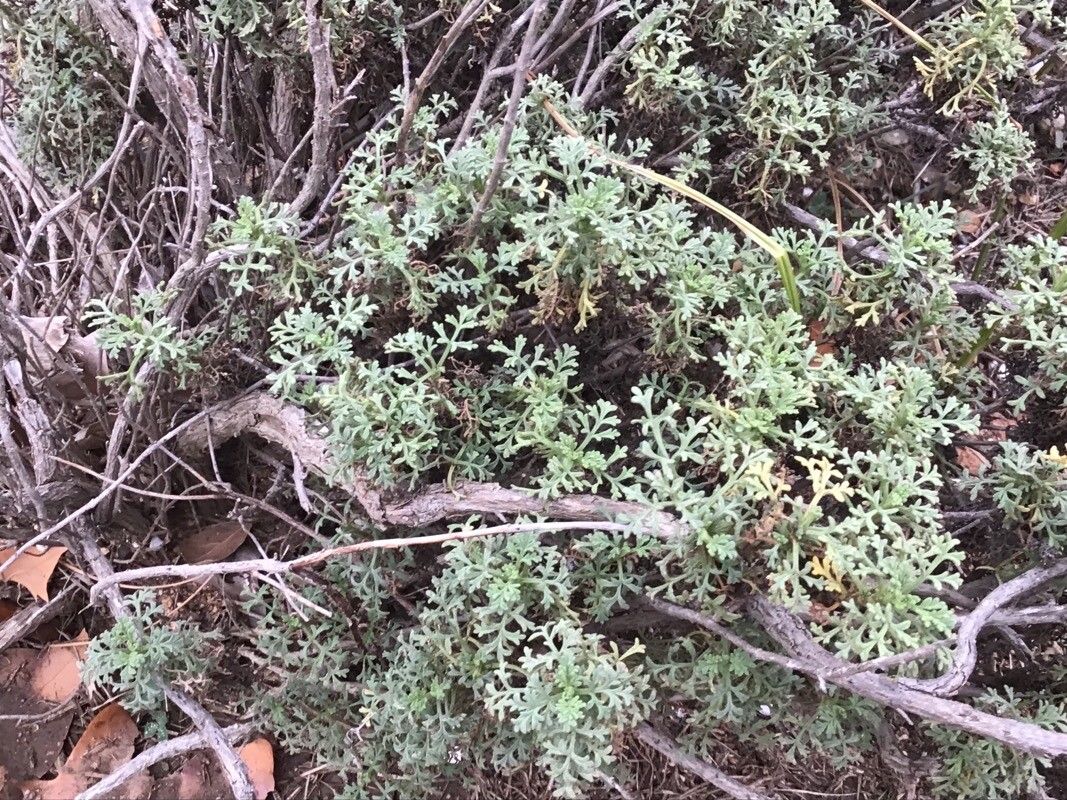
The silvery green foliage of Ambrosia chamissonis, commonly known as Silver Burweed or Beach Bur, adds a touch of coastal charm to gardens. This hardy, drought-tolerant perennial, native to the western coast of North America, is a magnet for pollinators and thrives in sandy soils and sunny locations. If you’re looking to introduce this resilient beauty to your landscape, propagating Silver Burweed is surprisingly easy.
Two Roads to Success: Seeds and Cuttings
Silver Burweed offers two primary methods of propagation:
1. Seed Propagation:
- Collecting Seeds: As summer wanes, Silver Burweed produces distinctive bur-like fruits containing the seeds. These burs are covered in hooked spines that readily attach to clothing or fur, aiding in natural dispersal. Collect the burs once they turn brown and dry.
- Preparing for Sowing: Gently crush the burs to release the seeds. It’s advisable to wear gloves when handling the spiky burs.
- Sowing the Seeds: Sow the seeds directly into your garden in the fall or start them indoors about 6-8 weeks before the last expected frost. Plant the seeds about ¼ inch deep in a well-draining seed starting mix.
- Providing Optimal Conditions: Silver Burweed seeds require light for germination. Ensure the soil remains consistently moist but not waterlogged. A sunny windowsill or grow lights provide adequate lighting for indoor sowing.
- Transplanting Seedlings: Once the seedlings develop several sets of true leaves and the danger of frost has passed, harden them off gradually and transplant them into your garden. Choose a sunny location with well-draining soil.
2. Propagation from Cuttings:
- Timing is Key: The best time for taking cuttings is in the spring or early summer when the plant is actively growing.
- Taking the Cutting: Using a clean, sharp knife or pruning shears, take a 4-6 inch cutting from a healthy stem. Make the cut just below a leaf node.
- Preparing the Cutting: Remove the lower leaves from the cutting, leaving only a few at the top. Dip the cut end in rooting hormone powder (optional, but it can enhance rooting).
- Planting the Cutting: Plant the cutting in a pot filled with a well-draining potting mix. Make a small hole with your finger or a pencil and gently insert the cutting, ensuring at least one leaf node is buried.
- Encouraging Root Development: Water the cutting well and cover the pot with a clear plastic bag or humidity dome to create a humid environment. Place the pot in a location with bright, indirect light.
- Transplanting: Once the cutting has developed a robust root system (typically in 4-6 weeks), you can transplant it into a larger pot or directly into your garden.
Caring for Your New Silver Burweed
Silver Burweed is relatively low-maintenance once established. It thrives in full sun but tolerates partial shade. Water it regularly during its first growing season to help establish a deep root system. Once established, it is remarkably drought-tolerant.
A Note of Caution: While Silver Burweed is a beautiful and beneficial plant, it can be invasive in some areas due to its prolific seed production. Be mindful of its growth habit and consider planting it in a contained area or deadheading spent flowers to prevent unwanted spreading.
By following these simple steps, you can successfully propagate Silver Burweed and enjoy its unique beauty and resilience in your garden.