
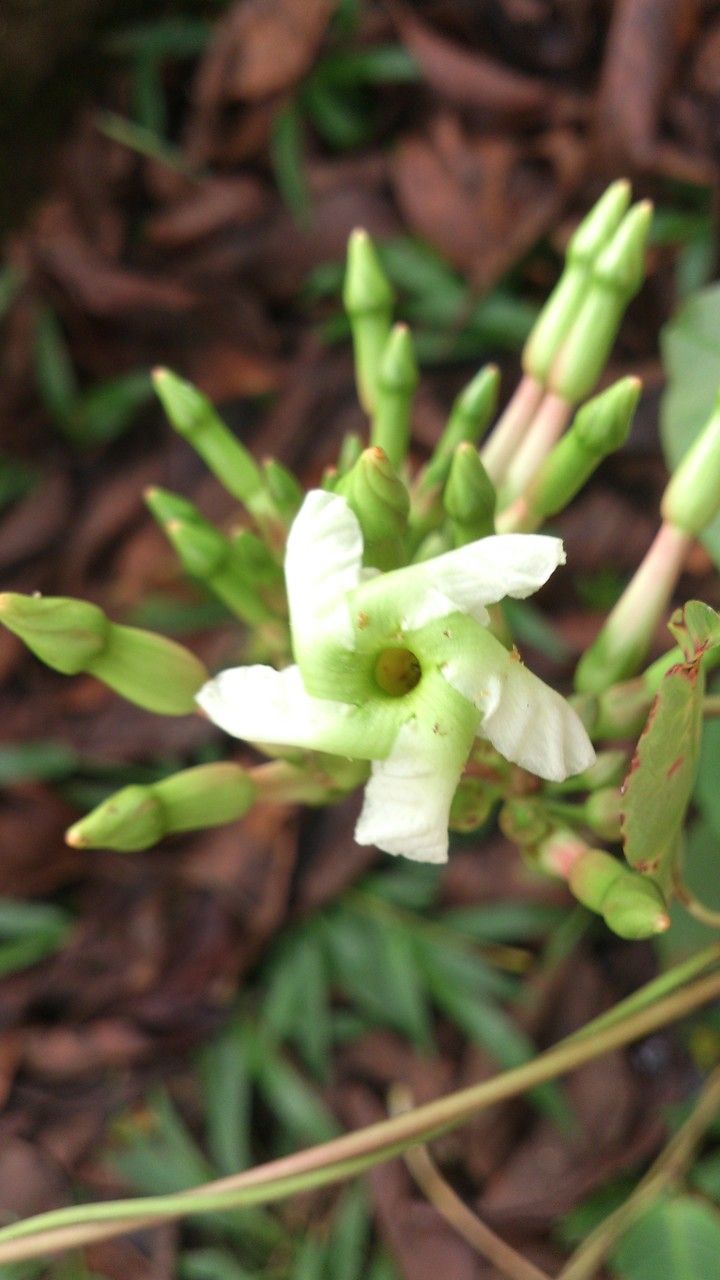
Unlocking the Secrets of Mesechites Trifidus: A Propagation Guide for Lush Vines
Mesechites trifidus, with its twining vines and charming white blooms, possesses a delicate beauty that can enhance any garden space. While admiring its elegance is a delight, propagating this tropical climber can feel like venturing into uncharted territory. Fear not, fellow plant enthusiasts, for we’re about to demystify the art of multiplying your Mesechites trifidus, revealing the secrets to successful propagation!
Before we dive into techniques, let’s understand the plant’s preferences. Mesechites trifidus thrives in warm climates and enjoys bright, indirect light. Mimicking these conditions will optimize your propagation success. Now, let’s explore the two primary methods for propagating this fascinating vine:
1. Stem Cuttings: A Step-by-Step Guide
Stem cuttings offer a straightforward and effective way to multiply your Mesechites trifidus. Here’s how to do it:
- Timing is Key: Choose healthy, actively growing stems during spring or early summer for optimal results.
- Making the Cut: Using sterilized pruning shears, snip a 4-6 inch cutting just below a leaf node.
- Prepare the Cutting: Remove the lower leaves, leaving only a couple at the top. If desired, dip the cut end in rooting hormone powder to encourage faster root development.
- Planting the Cutting: Plant the cutting in a well-draining potting mix, burying the nodes beneath the soil surface.
- Creating a Humid Environment: Cover the pot with a clear plastic bag or humidity dome to trap moisture and promote rooting.
- Patience is Paramount: Place the pot in a warm, well-lit location, avoiding direct sunlight. Keep the soil consistently moist but not soggy. Root development can take several weeks.
- Transplanting Success: Once new growth emerges, usually after 4-6 weeks, carefully transplant your rooted cutting into a larger pot filled with well-draining potting mix.
2. Layering: Encouraging Roots Along the Vine
Layering, while less common than cuttings, provides an alternative method for propagating Mesechites trifidus. This technique encourages roots to develop along a stem while it’s still attached to the mother plant. Here’s how it’s done:
- Selecting the Stem: Choose a healthy, flexible stem that can easily reach the ground.
- Wounding the Stem: Gently wound the underside of the stem by lightly scraping or making a small incision.
- Preparing the Layering Location: Create a shallow trench in the soil beneath the selected stem.
- Securing the Layer: Bury the wounded portion of the stem in the trench, ensuring the leaves remain above the soil line. Use a small stake or rock to hold the stem in place.
- Maintaining Moisture: Water the area thoroughly and keep it consistently moist.
- Patience and Separation: Root formation can take several weeks. Once new growth emerges from the layered portion, carefully cut the rooted stem from the mother plant. Plant the newly independent Mesechites trifidus in a suitable pot or garden location.
A Final Note: Post-Propagation Care
Whether you choose cuttings or layering, providing your newly propagated Mesechites trifidus with proper care is crucial. Ensure it receives adequate light, consistent moisture, and well-draining soil. Fertilize regularly during the growing season and watch your propagated plants flourish!
By following these simple techniques, you can unlock the secrets of propagating Mesechites trifidus and enjoy a bounty of these captivating vines. So, gather your supplies, put your green thumb to the test, and prepare to witness the beauty of successful propagation!