
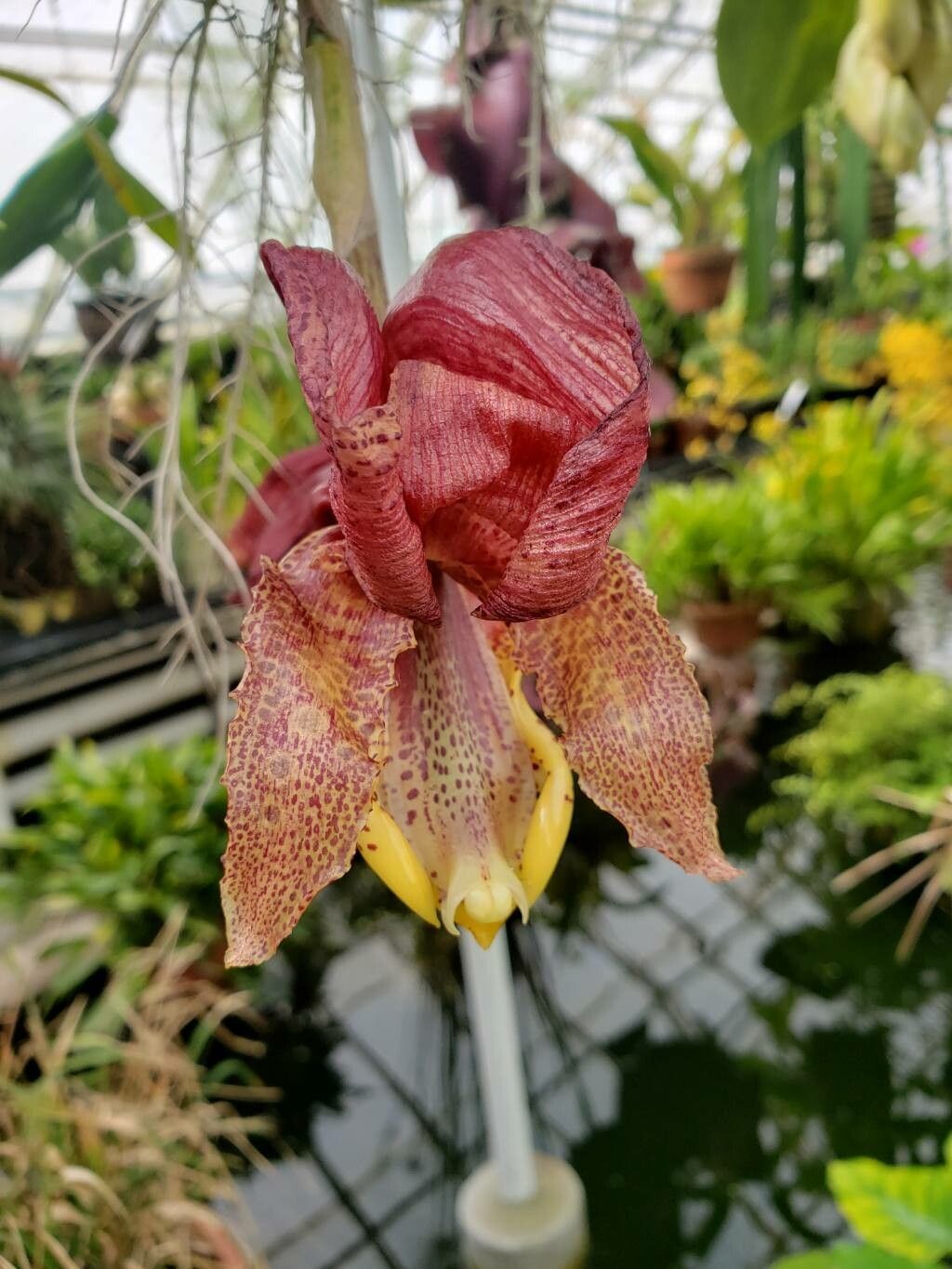
Unlocking the Secrets of the Bucket Orchid: Propagating Coryanthes Macrantha
The orchid world is a fascinating one, filled with exotic shapes, vibrant colors, and captivating scents. One such charmer is the Coryanthes macrantha, also known as the Bucket Orchid. This unusual epiphyte, native to the rainforests of Central and South America, captivates with its intricate blooms and fascinating pollination strategy. But while admiring its beauty is easy, propagating this orchid presents a rewarding challenge even for experienced growers.
Unlike orchids that readily multiply through keikis or divisions, the Coryanthes macrantha primarily relies on seed propagation. This complex process requires a bit more patience and a touch of scientific curiosity. Here’s a glimpse into the intriguing world of Coryanthes macrantha propagation:
1. Seeds of Patience:
Obtaining Coryanthes macrantha seeds requires a bit of effort. You can purchase them from reputable orchid nurseries specializing in rare species. However, remember that these dust-like seeds lack the typical endosperm found in other plant seeds, meaning they require a symbiotic relationship with a specific mycorrhizal fungus for germination.
2. Partnering with Fungi:
This unique dependence on fungi adds a layer of complexity to the propagation process. You have two options:
Symbiotic Germination: This method involves introducing the seeds to a medium containing the specific mycorrhizal fungus. This approach mimics the natural environment and provides the seeds with the necessary nutrients for germination, albeit with a longer waiting period.
- Asymbiotic Germination: This more controlled method involves using a sterile, nutrient-rich agar medium, which bypasses the need for the fungus. However, this requires sterile techniques and specialized knowledge to prevent contamination.
3. A Sterile Journey:
For both methods, maintaining sterile conditions is crucial. This prevents the growth of unwanted bacteria and fungi that can hinder germination and harm the delicate seedlings. Utilizing a laminar flow hood and sterile tools is recommended, especially for the asymbiotic approach.
4. Patience is Key:
Germination can take anywhere from a few months to a year or more. During this time, the seeds develop into tiny protocorms, the first stage of orchid development. Once the protocorms are large enough, they are carefully transferred to a suitable growing medium.
5. Creating the Ideal Environment:
Replicating the Coryanthes macrantha’s natural rainforest environment is essential for successful growth. This includes:
- High humidity: Use a humidifier or humidity tray to maintain consistently high levels.
- Bright, indirect light: Avoid direct sunlight, which can scorch the leaves.
- Warm temperatures: Aim for daytime temperatures between 70-85°F (21-29°C) and nighttime temperatures around 60-65°F (15-18°C).
- Well-draining medium: A mixture of bark, perlite, and sphagnum moss is ideal for its epiphytic nature.
6. A Rewarding Journey:
Propagating Coryanthes macrantha from seed is undoubtedly a labor of love. It requires patience, meticulous care, and a deeper understanding of this orchid’s unique requirements. However, the reward of witnessing the transformation from dust-like seed to a mature, blooming orchid is an incredibly fulfilling experience for any orchid enthusiast.
While challenging, embarking on the journey of Coryanthes macrantha propagation opens a window into the fascinating world of orchid symbiosis and offers the ultimate reward for dedicated orchid lovers.