
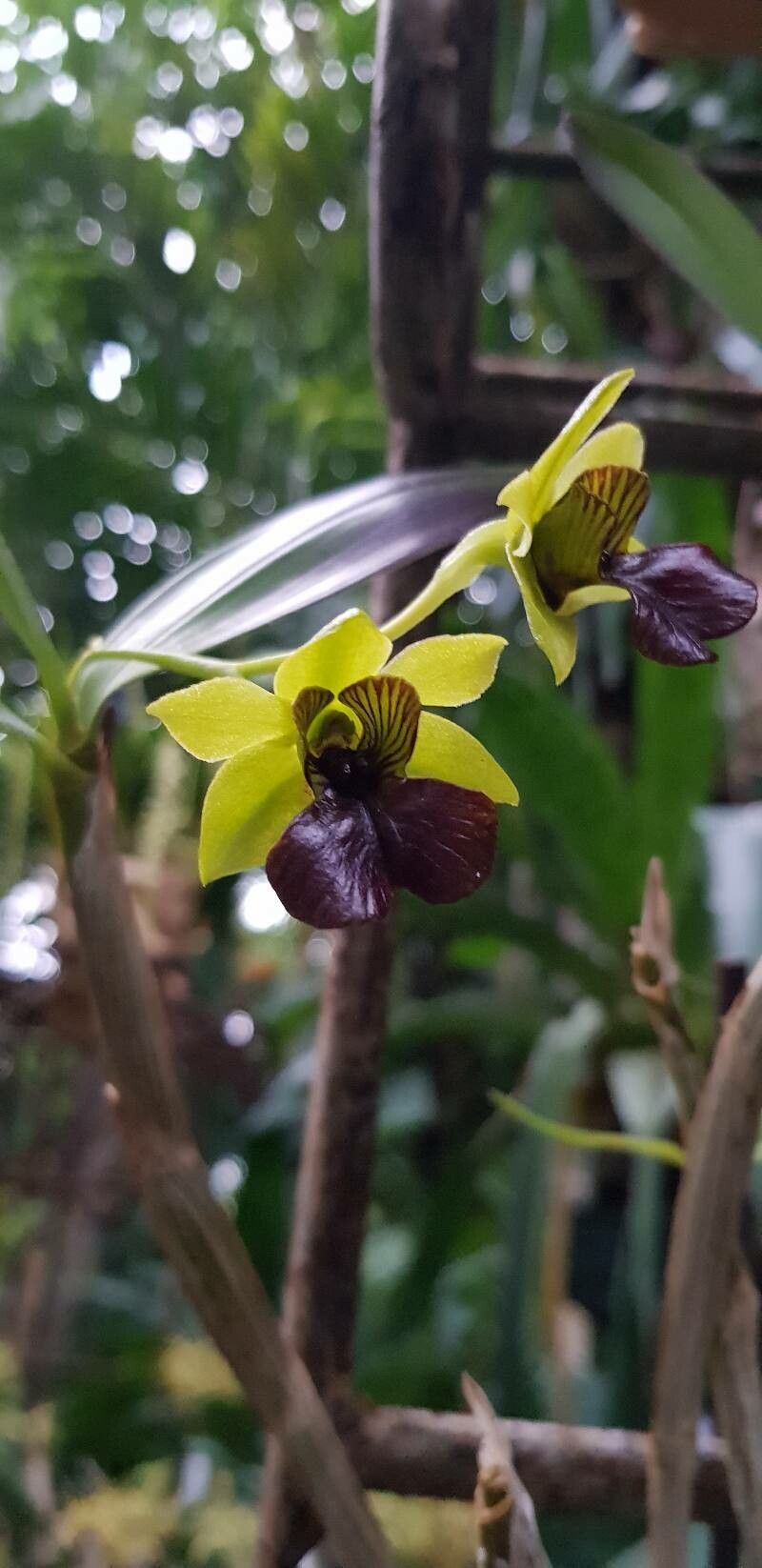
Unlocking the Secrets of Dendrobium convolutum Propagation: A Beginner’s Guide
The Dendrobium convolutum, with its charming twisted petals resembling miniature ballerinas, is a prized possession for many orchid enthusiasts. But did you know that propagating this seemingly delicate beauty is easier than you think? Whether you’re a seasoned grower or a curious beginner, this guide will equip you with the knowledge to multiply your Dendrobium convolutum collection and share the joy with others.
Understanding the Propagation Methods
While Dendrobium convolutum can be propagated through seeds, this method is often complex and best left to experienced growers. The good news is that there are two simpler and more reliable propagation methods perfect for beginners:
Keiki Division: Keikis, meaning “baby” in Hawaiian, are miniature plants that grow on the canes of mature Dendrobium orchids. These little replicas offer a straightforward way to propagate.
- Cane Cuttings: This method involves cutting back pseudobulbs (canes) to stimulate new growth. It’s slightly more involved than keiki division but offers excellent success rates.
Keiki Division: Nurturing Baby Blooms
Keikis usually appear on canes that are one to two years old. Look for keikis that have developed at least three roots, each about 2-3 inches long. Here’s how to divide them:
Sterilize Tools: Use rubbing alcohol to sterilize your cutting tools (sharp knife or pruning shears).
Gently Detach: Carefully cut the keiki from the mother plant, ensuring you don’t damage either.
Potting Medium: Choose a well-draining orchid potting mix designed for seedlings.
Potting: Place the keiki in the pot, ensuring the base of the plant sits just above the potting mix’s surface.
- Watering and Humidity: Water sparingly until new growth appears and maintain high humidity (60-70%) around the young plant.
Cane Cuttings: Breathing Life into Mature Canes
This method utilizes mature, leafless canes for propagation. Here’s how to proceed:
Choose and Cut: Select healthy, plump canes that are at least two years old. Using sterilized tools, cut the cane into sections, with each section having at least two nodes.
Treatment: Apply a fungicide to the cut ends to prevent infection.
Placement: Lay the cane sections horizontally on top of moist sphagnum moss in a shallow tray.
Environment: Cover the tray with a clear plastic dome or wrap to create a humid environment and place it in indirect light.
- Patience is Key: New growths will emerge from the nodes within a few months. Once these have developed roots, they can be potted like keikis.
Essential Tips for Successful Propagation
Timing is Everything: The ideal time for propagation is during the plant’s active growing season, typically spring or early summer.
Light and Temperature: Provide bright, indirect light and maintain temperatures between 65-80°F (18-27°C) for optimal growth.
Hygiene Matters: Always sterilize your tools to prevent the spread of diseases.
- Patience is a Virtue: Propagating orchids takes time. Be patient and consistent with care, and you’ll be rewarded with beautiful new plants.
Propagating your Dendrobium convolutum is an enriching experience that allows you to multiply your orchid collection and deepen your connection with these captivating plants. So why not roll up your sleeves and give it a try? With a little patience and the right knowledge, you’ll be amazed at the magic you can create.