
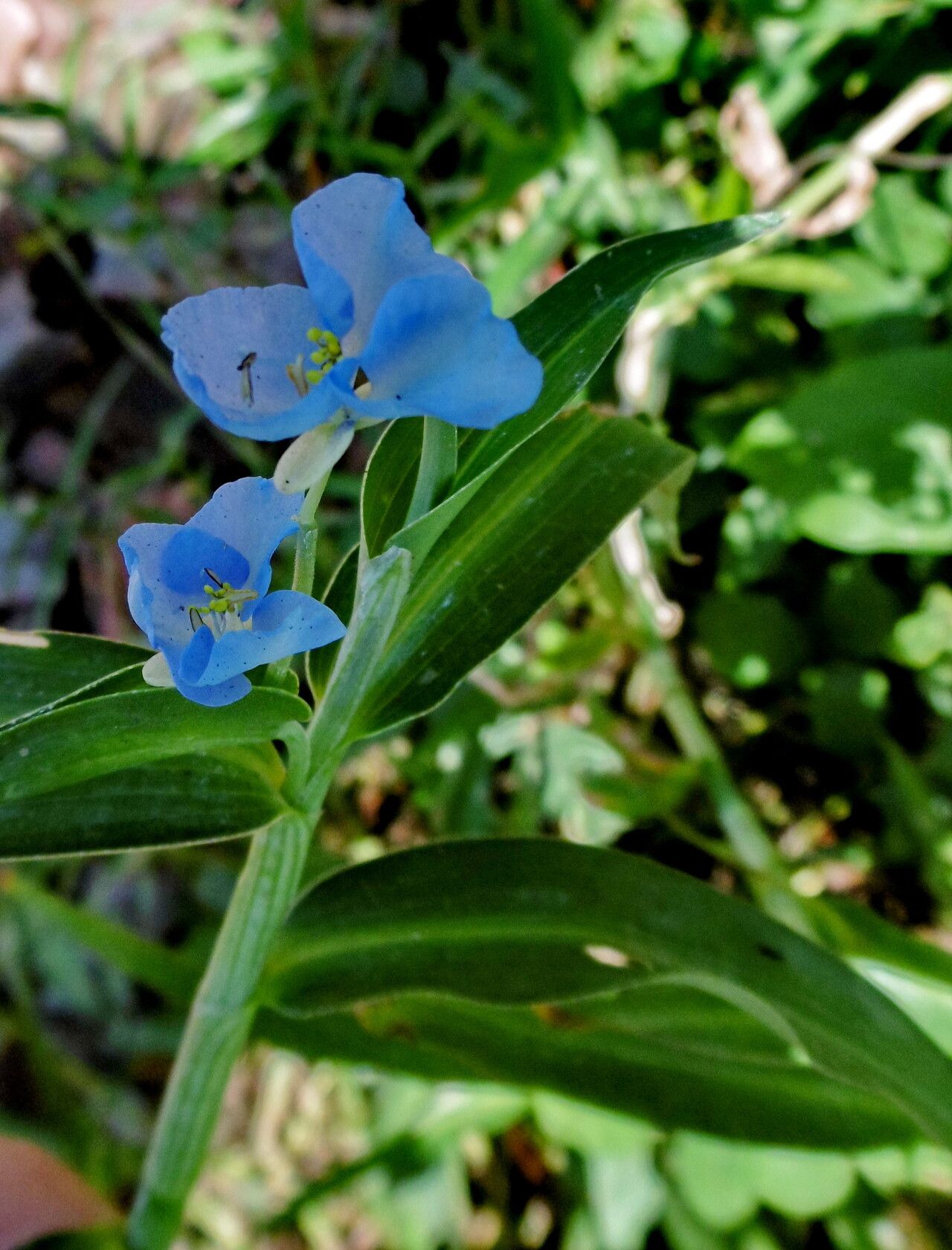
Unleash a Sweet Perfume: Propagating Your Own Sweet Peas (Lathyrus odoratus)
Beloved for their vibrant blooms and intoxicating fragrance, sweet peas (Lathyrus odoratus) are a charming addition to any garden. While they can be purchased as seedlings, there’s a particular satisfaction in nurturing these beauties from seed. Ready to fill your garden with a symphony of color and scent? Let’s delve into the world of sweet pea propagation.
Sowing the Seeds of Success
Timing is Key: Sweet peas thrive in cooler conditions and are best sown in early spring or fall, depending on your climate.
Seed Starting Mix: Opt for a loose, well-draining seed starting mix or a peat-free alternative to provide the right environment for germination.
Pre-Sowing Treatment (Optional but Recommended):
- Nicking: Sweet pea seeds have a hard outer coating. Gently nicking the seed coat with a nail file or sandpaper can speed up water absorption and encourage germination.
- Soaking: Soaking seeds overnight in lukewarm water can further soften the outer shell.
Sowing:
- Fill seed trays or individual pots with your chosen starting mix.
- Sow seeds about an inch deep and 2 inches apart.
- Water gently but thoroughly.
- Place the trays in a cool, bright location out of direct sunlight.
Nurturing the Seedlings
Light: Once seedlings emerge (usually within 7-14 days), provide them with plenty of bright, indirect light. A sunny windowsill or a grow light setup works well.
Watering: Keep the soil consistently moist but not waterlogged. Overwatering can lead to root rot.
Pinching: As the seedlings grow, pinching off the top set of leaves (above a leaf node) encourages bushier growth and more flowers.
Transplanting to the Garden
Hardening Off: Before transplanting outdoors, gradually acclimate your sweet peas to the elements by placing them outside for increasingly longer periods each day over the course of a week.
Ideal Location: Choose a sunny spot with well-drained soil. Sweet peas prefer cool roots, so consider planting near a structure or trellis that provides some afternoon shade.
Support System: Sweet peas are natural climbers. Install a trellis, obelisk, or other support system at planting time to guide their growth.
Planting:
- Dig a hole slightly larger than the root ball of your seedling.
- Gently loosen the roots before placing the seedling in the hole.
- Backfill with soil and water thoroughly.
Ongoing Care for Abundant Blooms
Watering: Water regularly, especially during dry periods.
Fertilizing: Feed your sweet peas with a balanced fertilizer every few weeks to encourage healthy growth and abundant flowering.
Deadheading: Regularly remove spent blooms to redirect the plant’s energy into producing more flowers.
Enjoying the Fruits of Your Labor
Propagating sweet peas from seed is a rewarding experience. With a little patience and care, you’ll be treated to a fragrant floral display that will captivate your senses and transform your garden into a sweet-smelling paradise.