
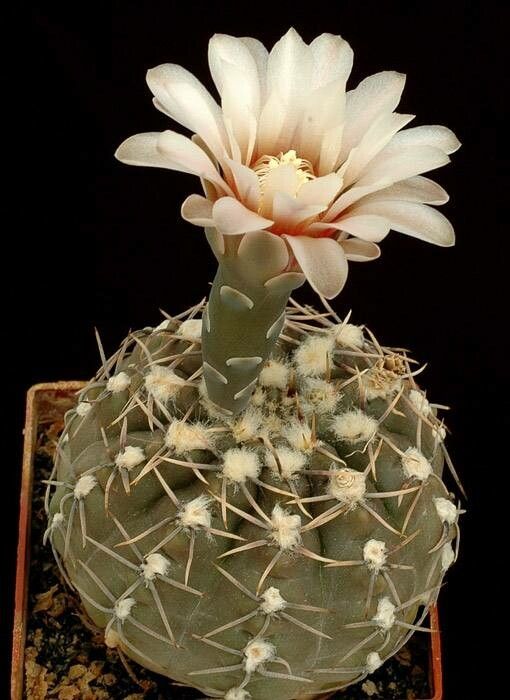
Unlocking the Secrets of Gymnocalycium kieslingii Propagation: A Beginner’s Guide
The Gymnocalycium kieslingii, with its striking flat-topped shape and vibrant blooms, is a captivating addition to any cactus enthusiast’s collection. While admiring its unique beauty is a joy in itself, learning to propagate this stunning species opens up a world of possibilities, allowing you to share your love for this cactus with fellow enthusiasts or simply expand your own collection.
This guide will delve into the fascinating world of Gymnocalycium kieslingii propagation, equipping you with the knowledge and confidence to multiply your own spiky companions.
Two Paths to Propagation:
There are two primary methods for propagating Gymnocalycium kieslingii:
Seeds:
- This method involves obtaining seeds, either through pollination of your own plants or from reputable suppliers.
- While seed propagation is an exciting journey, it requires patience, as seedlings can take several years to reach maturity and display their characteristic features.
- Offsets (Pups):
- Gymnocalycium kieslingii often produces small offsets, affectionately known as “pups,” around the base of the mother plant.
- These miniature replicas offer a quicker and generally easier propagation route compared to seeds.
Mastering the Art of Offset Propagation:
Identifying Viable Offsets:
- Look for pups that have developed a good root system of their own.
- Ideally, the offset should be at least one-third the size of the mother plant to ensure successful rooting.
Careful Removal:
- Gently wiggle the offset free from the mother plant, ensuring minimal damage to both.
- A clean, sharp knife can be used to separate particularly stubborn pups, making a clean cut close to the mother plant.
Allowing for Callusing:
- After removing the offset, allow the cut surface to dry and callus over for several days to a week. This prevents potential rot when planted.
- Potting Your Offset:
- Use a well-draining cactus potting mix to promote healthy root development.
- Bury the offset just deep enough to stabilize it.
- Avoid overwatering, opting for a light misting until you see signs of new growth.
Taking the Seed Route:
Sourcing Your Seeds:
- Purchase seeds from a reputable supplier to ensure viability and proper species identification.
Creating the Ideal Seedling Environment:
- Use a seed starting mix that is well-draining and porous.
- Sow the seeds shallowly and mist them lightly.
- Cover the container with a clear lid or plastic wrap to create a humid environment.
- Provide bright, indirect light and maintain a consistent temperature around 70-80°F (21-27°C).
- Patience is Key:
- Germination can take several weeks to months.
- Once seedlings are established, gradually acclimate them to drier conditions.
Nurturing Your New Additions:
Whether you’ve chosen the seed or offset route, providing your new Gymnocalycium kieslingii with proper care is crucial.
- Sunlight: They thrive in bright, indirect light.
- Watering: Water thoroughly when the soil is completely dry, avoiding overwatering which can lead to root rot.
- Fertilizing: Feed them dilute cactus fertilizer during the growing season.
Propagating your own Gymnocalycium kieslingii is a rewarding experience that allows you to connect with the remarkable resilience and beauty of these captivating plants. With a bit of patience and the right knowledge, you can cultivate a thriving collection of these fascinating cacti, each telling a story of your own dedication and passion for the plant world.