
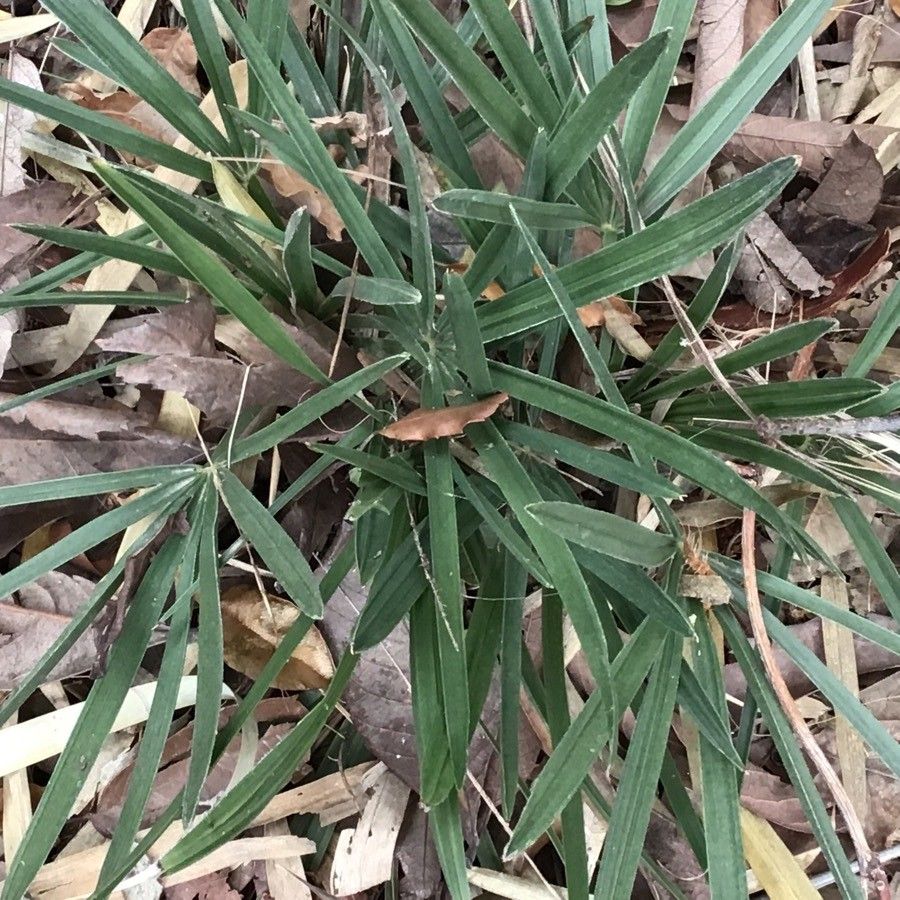
Unlocking the Secrets of the Spiny Fiber Palm: A Guide to Propagating Trithrinax schizophylla
The Trithrinax schizophylla, also known as the Spiny Fiber Palm, is a captivating palm prized for its resilience, unique appearance, and manageable size. Native to the rocky landscapes of South America, this palm boasts a captivating silhouette with its fan-shaped, silvery-green leaves and a trunk adorned with persistent, spiky leaf bases. While its beauty is undeniable, successfully propagating this hardy palm can seem like a mystery. Fear not, fellow plant enthusiasts, for we’re about to unlock the secrets to growing more of these stunning palms.
The Seed of the Matter: Propagating from Seed
The most common method of propagating Trithrinax schizophylla is through seeds, a rewarding process that allows you to witness the plant’s entire life cycle. Here’s how to maximize your chances of success:
- Source Fresh Seeds: Start with high-quality, fresh seeds sourced from reputable suppliers. Older seeds tend to have lower germination rates.
- The Soaking Ritual: Before sowing, soak the seeds in room-temperature water for 24 to 48 hours. This softens the hard outer shell, encouraging quicker germination.
- The Perfect Nesting Ground: Choose a well-draining seed starting mix or a mix of peat moss and perlite. Sow the seeds about an inch deep, ensuring the pointed end faces down.
- Warmth is Key: These South American natives appreciate warmth! Place the seed trays in a warm location with consistent temperatures between 75-85°F (24-29°C). A seedling heat mat can be beneficial, especially in cooler climates.
- Patience, Young Padawan: Be patient! Germination can take anywhere from a few months to even a year for Trithrinax schizophylla seeds. Maintain consistent moisture in the meantime, but avoid overwatering, which can lead to rot.
- First Signs of Life: Once the seedlings emerge, provide them with bright, indirect light. When they develop a few sets of true leaves, you can transplant them into individual pots using a well-draining potting mix.
Alternative Routes: Exploring Other Propagation Methods
While seed propagation is the most common method, other techniques can be explored, though they are less common and may have varying success rates:
- Offsets: In rare cases, mature Trithrinax schizophylla palms may produce offsets or pups at the base. These can be carefully separated from the mother plant and potted individually.
- Root Cuttings: While not as well-documented, some growers have experimented with propagating Trithrinax schizophylla from root cuttings. This method requires careful selection of healthy roots and specific environmental conditions for successful rooting.
Tips for Thriving: Nurturing Your Trithrinax schizophylla
Whether you’ve successfully germinated seeds or are caring for a young plant, providing the right conditions is key for healthy growth:
- Sun-Kissed Fronds: While they prefer full sun, young palms benefit from some protection from the intense afternoon sun. Gradually acclimate them to full sun as they mature.
- Well-Drained Paradise: Ensure the potting mix drains well to prevent root rot. Water deeply but allow the soil to dry slightly between waterings.
- Feeding for Strength: During the growing season (spring and summer), fertilize regularly with a balanced palm fertilizer.
Propagating Trithrinax schizophylla might require patience and dedication, but the reward of cultivating these stunning palms is well worth the effort. With the right knowledge and care, you can unlock the secrets of this captivating species and welcome its unique beauty into your own space.