
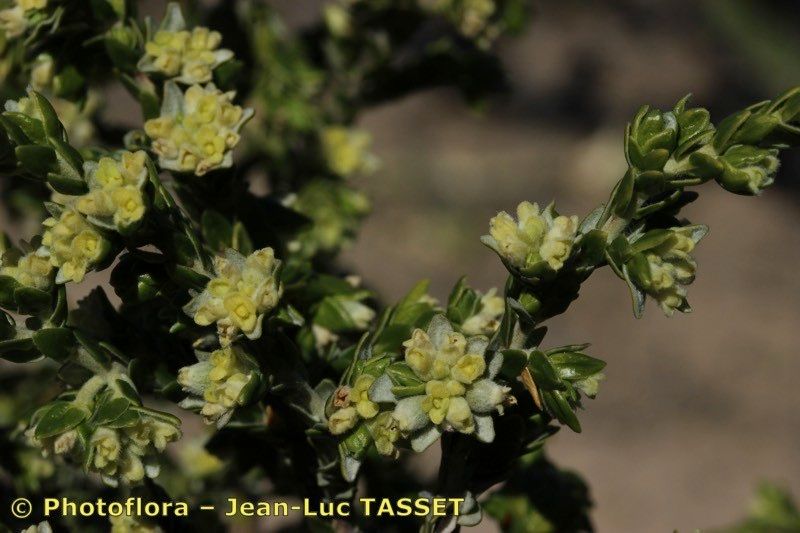
Unlocking the Secrets of Sunshine: A Guide to Propagating Thymelaea lythroides
Thymelaea lythroides, also known as the white-flowered thyme leaf daphne, is a delightful evergreen shrub prized for its delicate white blooms and compact growth habit. Its tolerance for drought and poor soils makes it a fantastic addition to Mediterranean gardens or rock gardens. But did you know that propagating this Mediterranean gem isn’t as daunting as it seems? Let’s delve into the world of Thymelaea lythroides propagation and equip you with the knowledge to multiply your collection.
The Two Paths to Propagation
1. Seed Propagation: Embracing the Element of Surprise
While not the most common method due to variable germination rates, propagating Thymelaea lythroides from seeds offers a rewarding challenge. Here’s how:
- Harvesting Seeds: Collect ripe seeds in late summer or early fall when the seed capsules turn brown. Gently break open the capsules and extract the small, dark seeds.
- Sowing the Seeds: Sow the seeds in a well-draining seed starting mix. Sprinkle them on the surface and cover lightly with a thin layer of the mix. Keep the soil consistently moist but not waterlogged.
- Patience is Key: Germination can be erratic, taking anywhere from a few weeks to several months. Be patient and provide consistent moisture and bright, indirect light.
2. Semi-Hardwood Cuttings: The Path of Predictability
Taking semi-hardwood cuttings offers a higher success rate and a faster propagation route:
- Timing is Everything: The ideal time for taking cuttings is in late summer or early fall, after the plant has finished blooming.
- Making the Cut: Using clean, sharp pruning shears, take cuttings about 3-4 inches long from healthy, non-flowering stems. Remove the lower leaves, leaving only a few at the top.
- Encouraging Root Development: Dip the cut end of the stem in rooting hormone to encourage healthy root development. Plant the cuttings in a well-draining potting mix, burying at least one node below the soil line.
- Creating a Humid Environment: Cover the pot with a clear plastic bag or humidity dome to create a warm, humid environment. Place the pot in a bright location, out of direct sunlight.
- Waiting for Roots: Be patient; rooting can take several weeks. Check for root development by gently tugging on the cutting. Once roots have formed, transplant the rooted cuttings into individual pots.
Caring for Your Propagated Plants
Whether you’ve chosen the adventure of seeds or the predictability of cuttings, caring for your new Thymelaea lythroides plants is crucial for their success:
- Sun Worshippers, They Are: Place the plants in a location that receives at least 6 hours of sunlight per day.
- Well-Drained Soil is a Must: Ensure the soil is well-drained to prevent root rot.
- Water Wisely: Allow the soil to dry out slightly between waterings. Overwatering can be detrimental.
- A Little Trim Goes a Long Way: Prune your Thymelaea lythroides lightly after flowering to maintain its shape and encourage bushier growth.
Propagating Thymelaea lythroides might seem intimidating at first, but with a little patience and care, you can successfully multiply your collection and enjoy the beauty of this Mediterranean gem in abundance. So, don your gardening gloves and embrace the joy of propagation – your garden will thank you for it!