
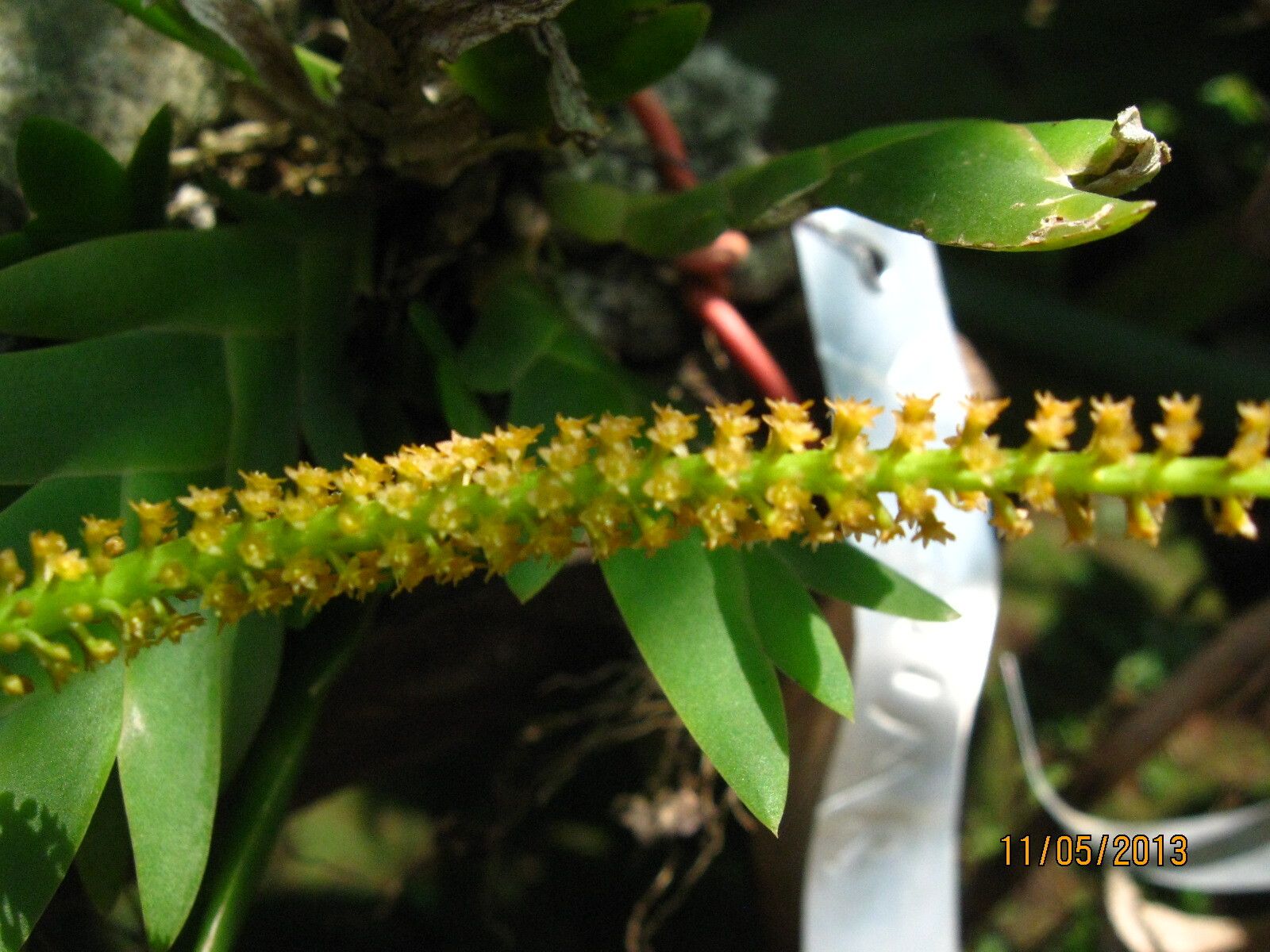
Miniature Marvels: Unlocking the Secrets of Propagating Oberonia Disticha
Oberonia disticha, also known as the Two-ranked Oberonia, is a fascinating orchid for enthusiasts looking to explore the miniature world of orchids. With its flattened, fan-like growths and delicate, often-fragrant blooms, it’s a jewel to behold. But successfully cultivating this tiny treasure requires understanding its unique propagation needs. Let’s dive into the fascinating world of Oberonia disticha propagation and uncover the secrets to multiplying your miniature marvel.
Understanding the Basics:
Oberonia disticha is an epiphytic orchid, meaning it naturally grows on other plants, typically trees, for support. This preference for an airy environment is crucial to remember when considering propagation methods.
The Power of Division:
The most common and reliable method for propagating Oberonia disticha is division. This technique involves separating mature plants into smaller sections, each containing healthy roots and multiple growths. Here’s how:
- Timing is Key: The best time for division is during the plant’s active growing season, ideally in spring or early summer.
- Careful Separation: Gently remove the plant from its mount or pot. Using a sterilized, sharp knife or scissors, carefully divide the plant into sections with at least 3-4 growths each.
- Mount or Pot? You can mount the divisions on cork bark, tree fern fiber, or similar materials. Alternatively, choose small, well-draining pots with a chunky orchid mix.
- Secure and Support: Firmly attach divisions to their new mounts using fishing line or specialized orchid clips. For potted divisions, ensure the base of the plant sits slightly above the potting mix surface.
The Patience of Seed Propagation:
Propagating Oberonia disticha from seed is significantly more challenging and requires specialized knowledge and equipment. Orchid seeds are incredibly small and lack the endosperm (nutritive tissue) found in most other plant seeds. This means they rely on a symbiotic relationship with specific fungi for germination and initial growth. While rewarding, seed propagation is best left to experienced growers or those willing to invest the time and resources to create a sterile lab environment.
Essential Care for Successful Propagation:
Regardless of your chosen method, providing the right care after propagation is crucial for success.
- Light: Bright, indirect light is ideal. Avoid direct sunlight, which can scorch the delicate leaves.
- Humidity: Oberonia disticha thrives in humid environments. Regular misting or a humidity tray can be beneficial, especially in drier climates.
- Watering: Water frequently, allowing the mounting media or potting mix to dry slightly between waterings. Good air circulation is vital to prevent fungal issues.
- Fertilizer: Use a diluted, balanced orchid fertilizer every other week during the active growing season.
Patience and Observation are Key:
Propagating Oberonia disticha, like any orchid, requires patience and careful observation. New growths are a sure sign that your propagation efforts are successful. Remember to mimic the plant’s natural environment as closely as possible and be prepared to adjust your care routine based on its response.
With a little practice and a lot of love, you’ll soon be enjoying a miniature jungle of these fascinating orchids!