
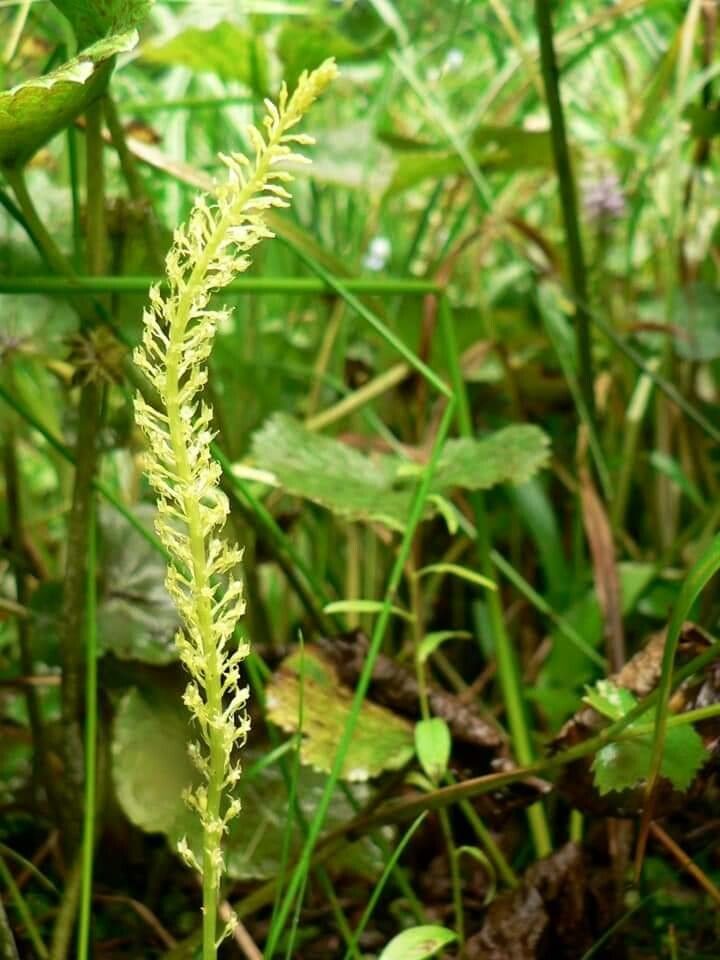
Unlocking the Secrets of the Single-Leaved Malaxis: A Propagation Primer
The Malaxis monophyllos, also known as the Adder’s-mouth Orchid or the Single-Leaved Malaxis, is a captivating plant that intrigues botanists and orchid enthusiasts alike. Its delicate beauty, characterized by a solitary leaf and a spike adorned with tiny, greenish-yellow flowers, makes it a prized addition to any collection. However, cultivating this elusive orchid can be a challenge, even for experienced gardeners. One of the most significant hurdles lies in successful propagation.
This article delves into the intriguing world of Malaxis monophyllos propagation, offering valuable insights and practical tips to increase your chances of success.
Propagation through Seed: A Tiny World of Complexity
Like most orchids, Malaxis monophyllos produces incredibly small seeds that lack endosperm, a nutritive tissue found in most other plant seeds. This unique feature means that the seeds rely entirely on a symbiotic relationship with specific mycorrhizal fungi to germinate and develop.
Understanding the Symbiosis: In their natural habitat, the fungi colonize the seed, providing essential nutrients and water in exchange for sugars produced by the orchid through photosynthesis. Replicating this delicate dance in a controlled environment can be incredibly challenging.
The In Vitro Approach: The most reliable way to propagate Malaxis monophyllos from seed is through in vitro culture, also known as seed sowing on sterile media. This method involves:
- Obtaining Mature Seed Capsules: Collect seed capsules from healthy, mature plants.
- Sterilization: Carefully sterilize the seed capsules to eliminate any competing fungi or bacteria.
- Sowing: Sow the tiny seeds on a sterile nutrient medium specifically formulated for orchid germination.
- Patience is Key: It can take weeks, months, or even years for the seeds to germinate and develop into plantlets.
This method requires specialized equipment, knowledge, and a sterile environment, making it best suited for experienced growers or those willing to invest the necessary time and resources.
Vegetative Propagation: A Glimmer of Hope
While seed propagation presents challenges, vegetative propagation offers a potentially easier route. Under ideal conditions, Malaxis monophyllos can produce small, bulb-like structures called “bulbils” at the base of the flower stalk. These bulbils are essentially miniature plants that can be carefully detached and encouraged to grow independently.
How to Propagate from Bulbils:
- Identify Mature Bulbils: Look for bulbils that have developed a small leaf and roots.
- Careful Detachment: Gently detach the bulbil from the mother plant.
- Potting: Plant the bulbil in a well-draining medium suitable for orchids, ensuring the roots are covered and the bulbil sits slightly above the soil line.
- Optimal Conditions: Provide the newly potted bulbil with consistent moisture, humidity, and indirect light.
Patience and Persistence: The Keys to Success
Propagating Malaxis monophyllos, whether through seed or vegetative methods, requires a significant amount of patience and meticulous care. Understand that setbacks are common, and success is not guaranteed. However, the rewards of witnessing these delicate orchids thrive under your care make the effort worthwhile.
By understanding the unique requirements of this fascinating species and employing the right techniques, you can increase your chances of experiencing the joy of propagating your own Malaxis monophyllos.