
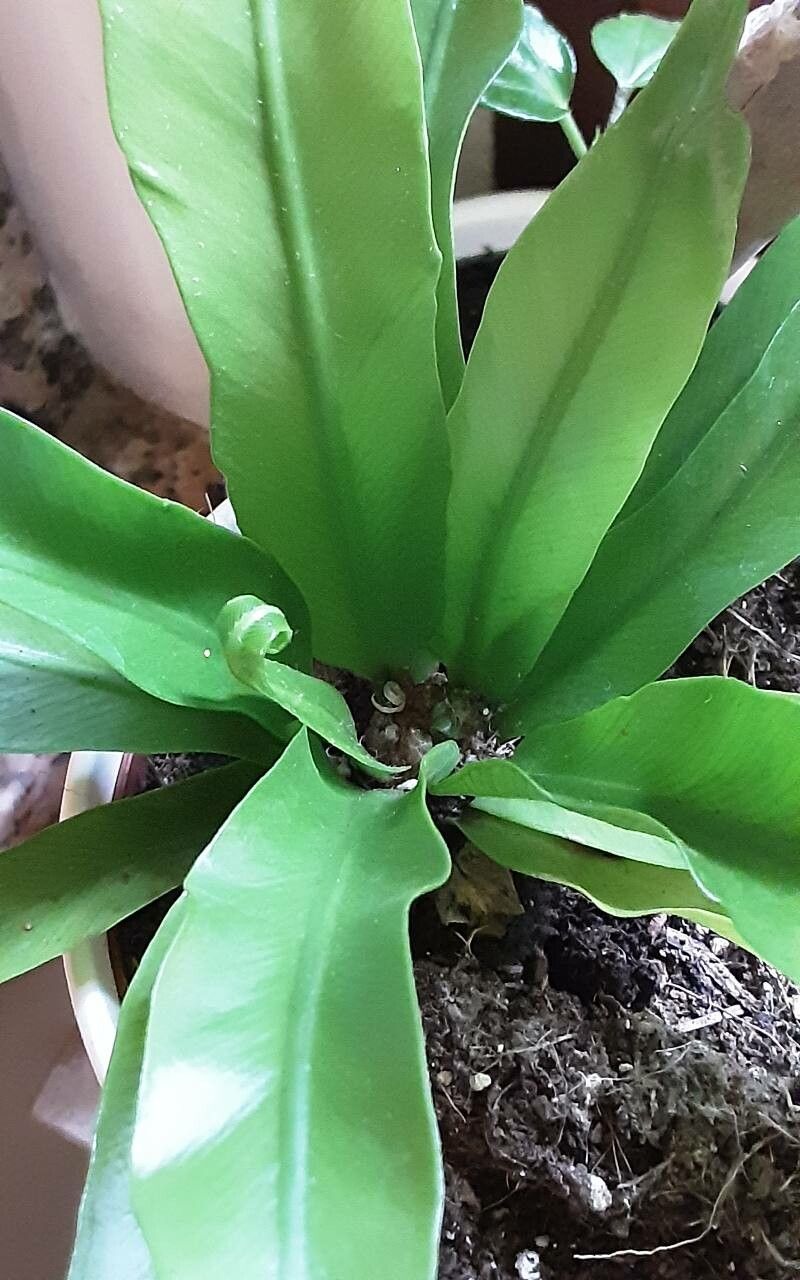
Unfurling Ancient Secrets: Propagating Your Asplenium Antiquum Fern
The Asplenium antiquum, also known as the Japanese Bird’s Nest Fern, is a fascinating and visually striking plant. Its long, glossy fronds unfurl with an elegance reminiscent of ancient scrolls, adding a touch of the exotic to any indoor space. While caring for these ferns is relatively straightforward, propagating them can seem a bit daunting. Fear not, fellow plant enthusiast, for within this article lies the knowledge to multiply your leafy treasures!
Understanding Asplenium Antiquum’s Life Cycle
Before diving into propagation techniques, let’s understand how these ferns naturally reproduce. Unlike many plants that rely on seeds, Asplenium antiquum reproduces through spores, microscopic cells found on the undersides of their fronds. These appear as small, brown lines or dots, often mistaken for scale insects. Don’t fret, those are your tickets to propagating!
Two Roads to Propagation
While spore propagation is possible, it requires patience and meticulous care, making it a task best suited for experienced plant parents. Instead, we’ll focus on the simpler and more accessible method: division.
Method 1: Division – The Art of Splitting
Division involves separating a mature plant into smaller, rooted sections, each capable of growing independently. This method is best undertaken during spring when the plant is actively growing:
Tools of the Trade:
- Sharp, sterilized knife or shears
- Fresh potting mix (well-draining)
- Small pots (choose sizes appropriate for the divisions)
Steps to Success:
- Careful Removal: Gently remove the Asplenium antiquum from its pot.
- Identify Division Points: Look for natural sections where the plant can be divided. Ideally, each division should have a good amount of roots and several healthy fronds.
- Clean Separation: Using your sterilized knife or shears, carefully cut through the rhizome (the thick, root-like structure) to separate the divisions.
- Potting Up: Plant each division in a well-draining potting mix, ensuring the rhizome is level with the soil surface. Water well.
- Patience is Key: Place the newly potted divisions in a warm, humid environment with indirect light. Avoid direct sunlight as it can scorch the delicate fronds. Keep the soil consistently moist but avoid overwatering.
Post-Division Care: Nurturing New Beginnings
Your Asplenium antiquum divisions may take a few weeks to adjust to their new homes. During this time, maintain consistent moisture and humidity levels. New growth indicates successful establishment.
From One to Many: Expanding Your Fern Family
Propagating your Asplenium antiquum is a rewarding experience, allowing you to multiply your plant collection while deepening your connection with these ancient wonders. With a little patience and the right knowledge, you’ll be well on your way to creating a lush, green haven filled with these captivating ferns.