
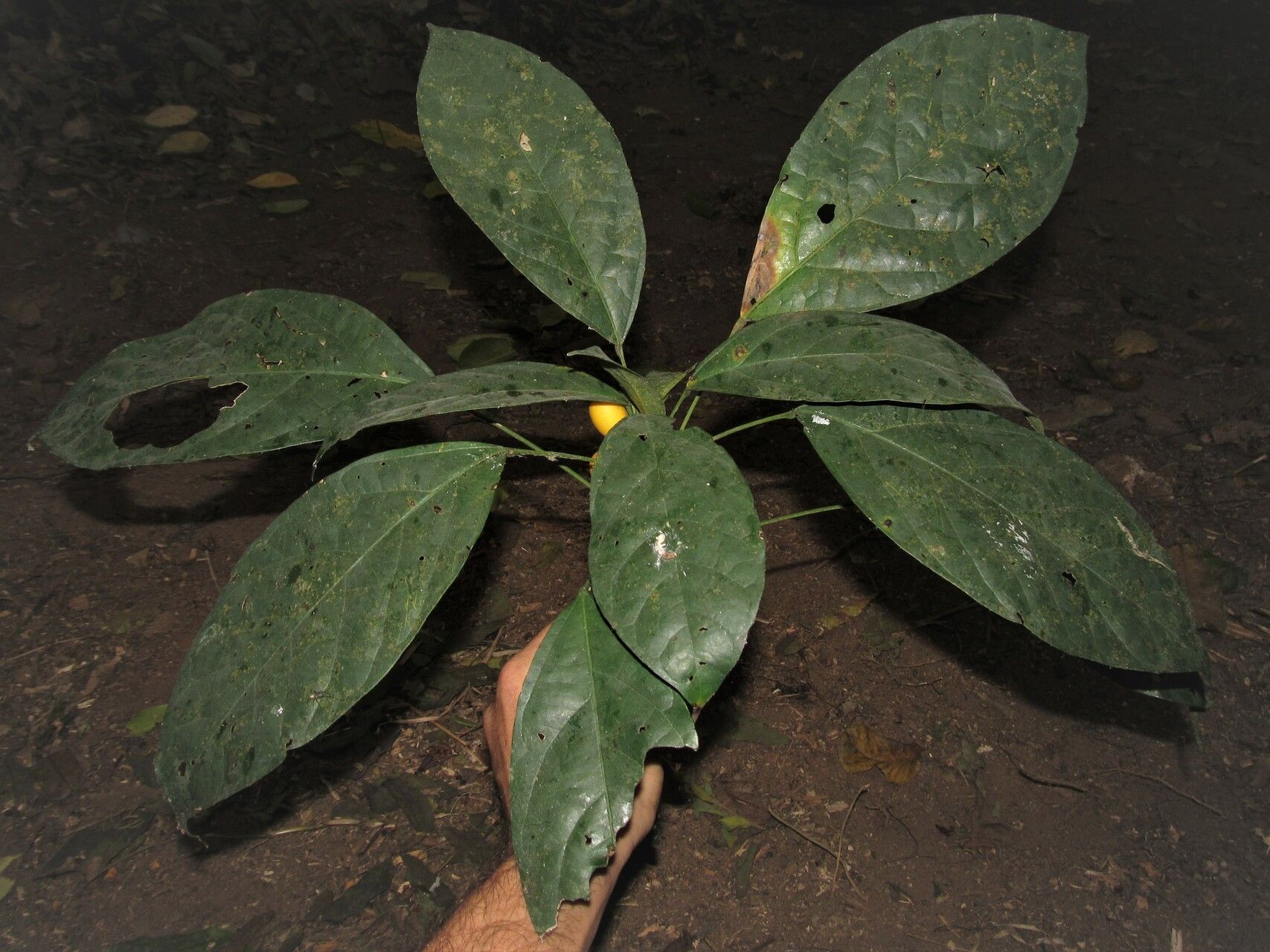
Unlocking the Secrets to Propagating the Intriguing Penianthus longifolius
Penianthus longifolius, also known as the snake climber or wild tinospora, is a fascinating plant that deserves a place in any tropical garden. With its captivating foliage, cascading growth habit, and unique, bell-shaped flowers, this climber is a true conversation starter. But if you’re eager to expand your collection or share its beauty with others, you might be wondering: how is Penianthus longifolius best propagated?
Luckily, propagating this intriguing plant is possible, though it requires some patience and the right techniques. Here’s what you need to know:
Propagation by Seed:
- Source Fresh Seeds: The most reliable way to propagate Penianthus longifolius is through fresh seeds. Look for ripe, dark brown seed pods on mature plants. Be patient, as seed production may vary year to year.
- Prepare the Seed: Gently remove the seeds from the pods and soak them in lukewarm water for 24 hours before sowing. This helps soften the seed coat and improve germination rates.
- Sow with Care: Use a well-draining seed starting mix and sow the seeds about 1/2 inch deep. Keep the soil consistently moist but not waterlogged.
- Be Patient: Germination can be unpredictable and may take anywhere from a few weeks to several months. Placing the seed tray in a warm, brightly lit area can help speed up the process.
Propagation by Cuttings:
- Timing is Key: Take your cuttings during the plant’s active growing season, ideally in spring or early summer. This ensures the cutting has the best chance of developing roots.
- Select Healthy Stems: Choose semi-hardwood stems that are healthy and free of pests or diseases. The ideal cuttings are about 4-6 inches long with several nodes.
- Prepare the Cutting: Remove the leaves from the bottom third of the cutting to reduce moisture loss. You can also wound the base of the cutting slightly to encourage root development.
- Use Rooting Hormone (Optional): Dipping the wounded end in rooting hormone can increase the chances of successful rooting.
- Plant with Care: Insert the cutting into a well-draining potting mix and place it in a warm, humid environment. A propagation dome or a plastic bag placed over the pot can help maintain humidity.
- Be Patient and Observant: It may take several weeks for roots to develop. Look for signs of new growth as an indication of successful rooting.
Challenges and Tips:
- Maintain Humidity: Penianthus longifolius thrives in humid environments. Mist the cuttings regularly or use a humidity dome to create a suitable environment.
- Be Patient: Propagating this plant requires patience as it may take longer than some other species to root successfully.
- Don’t Be Discouraged by Setbacks: Not every cutting will root, and some seeds may not germinate. Don’t give up – keep experimenting and refining your techniques.
Propagating Penianthus longifolius might seem daunting at first, but with patience and the right approach, you can successfully multiply your collection and enjoy the beauty of this enchanting climber for years to come. Remember to celebrate each success as you unlock the secrets of propagating this fascinating plant.