
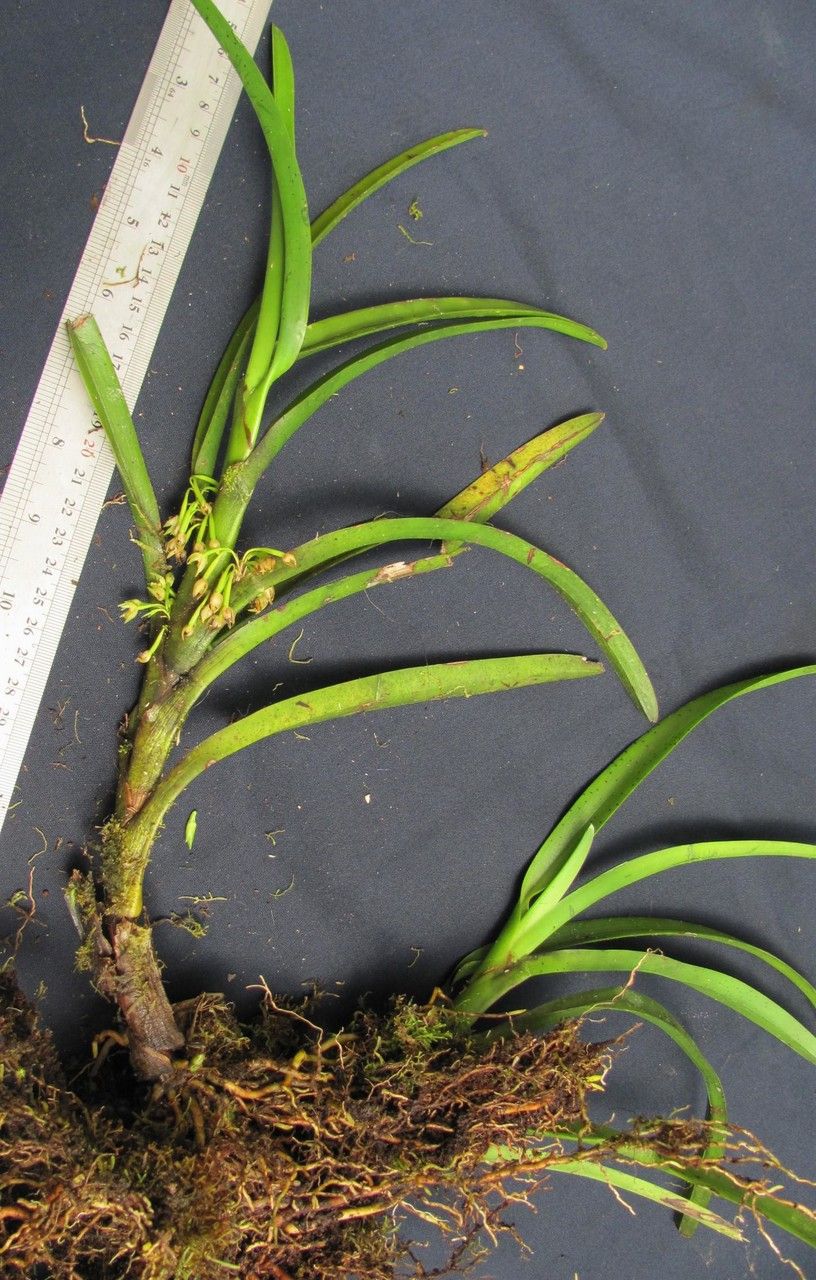
Unlocking the Secrets of Maxillaria conduplicata Propagation: A Guide to Multiplying Your Orchid Joy
The captivating world of orchids often feels shrouded in mystery, especially when it comes to propagation. But fear not, fellow plant enthusiasts! Today, we demystify the process, focusing on a particular beauty: the Maxillaria conduplicata. This charming orchid, with its delicately scented blooms and cascading foliage, is surprisingly easy to propagate, allowing you to expand your orchid family or share the joy with friends.
Understanding the Basics
Before diving into techniques, let’s understand how Maxillaria conduplicata grows. This epiphytic orchid naturally thrives on trees, clinging with its roots and drawing moisture from the air and rain. This characteristic makes replicating its natural environment key to successful propagation.
Methods for Multiplication
Two primary methods reign supreme for propagating Maxillaria conduplicata:
Division: This method capitalizes on the orchid’s clumping growth habit. When your Maxillaria conduplicata has formed a healthy clump with at least 6 pseudobulbs, you can divide it. Here’s how:
- Timing: Ideally, divide during spring, just as new growth begins.
- Preparation: Choose a pot just slightly larger than the division. Prepare a well-draining orchid mix, using ingredients like bark chips, perlite, and sphagnum moss.
- Division Process: Carefully remove the orchid from its pot and gently tease apart the roots to separate a section with at least 3 pseudobulbs. Ensure each division has healthy roots attached.
- Potting: Plant the divisions in their new pots, ensuring the base of the pseudobulbs is level with the potting mix surface. Water lightly and provide indirect light.
Backbulbs: Maxillaria conduplicata produces backbulbs – older pseudobulbs that have lost their leaves but still hold energy reserves. These seemingly dormant structures can sprout new growths!
- Backbulb Selection: Choose plump, healthy backbulbs.
- Potting: Place the backbulb horizontally on top of a moist, well-draining orchid mix.
- Creating the Right Environment: Cover the pot with a clear plastic bag or use a humidity dome to maintain moisture around the backbulb. Place in a warm, bright location out of direct sunlight.
- Patience is Key: It may take several weeks or even months for new growth to emerge from the backbulb. Be patient and keep the medium consistently moist but not soggy.
Nurturing Your New Propagations
Whether you choose division or backbulbs, success lies in providing the right post-propagation care:
- Light: Bright, indirect light is ideal. Avoid direct sunlight, which can scorch the leaves.
- Water: Water when the potting mix approaches dryness. Maxillaria conduplicata prefers higher humidity, so consider using a humidifier or placing the pot on a pebble tray filled with water.
- Fertilizer: Feed your orchid with a diluted, balanced orchid fertilizer every other week during the growing season (spring-summer).
Propagation: A Rewarding Endeavor
While propagating Maxillaria conduplicata may seem daunting at first, with a bit of patience and care, you’ll be rewarded with new orchid plants to cherish. So why not embrace the challenge? Unleash your inner orchid whisperer and witness the magic of multiplication firsthand. You might even discover a newfound passion for growing these captivating beauties from one generation to the next.