
Unlocking the Secrets of Tacoma Bells Propagation: Multiply Your Cascading Beauty
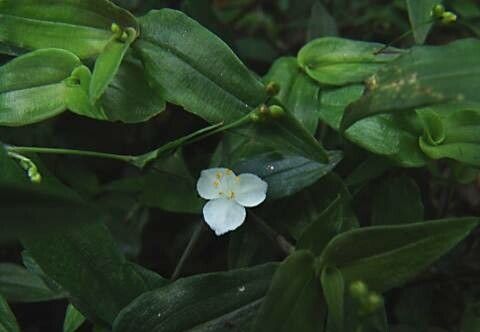
Gibasis pulchella, more charmingly known as Tahoma Bells or Bridal Veil, is a captivating houseplant loved for its cascading foliage and delicate, bell-shaped flowers. This Mexican native adds a touch of whimsy and elegance to any space it graces. If you’re lucky enough to have one, you’ll inevitably be captivated by its charm and want to create more of these botanical beauties. Fortunately, propagating Gibasis pulchella is a relatively simple process, rewarding you with new plants to expand your collection or share with fellow plant enthusiasts.
Three Paths to Propagation:
Gibasis pulchella generously offers several propagation methods, each with its own appeal:
Division: This method capitalizes on the plant’s natural clumping habit. When repotting a mature plant, gently tease apart the root ball into smaller sections, each with healthy roots and shoots. Pot these divisions individually for instant new plants.
Stem Cuttings: This popular and straightforward technique involves snipping a 4-6 inch section of healthy stem just below a leaf node. Remove the lower leaves to prevent rot, and then place the cutting in a well-draining potting mix or a glass of water. Keep the medium consistently moist, and roots should develop within a few weeks.
- Seeds: Though slightly less common, propagating from seed offers a fun challenge for those who enjoy the full plant life cycle. Collect seeds from dried flower heads, sow them on the surface of a seed starting mix, and lightly mist. Provide warmth and bright, indirect light, and seedlings should emerge in a few weeks.
Tips for Propagation Success:
No matter your chosen method, a few key factors will drastically improve your success rate:
Timing is Everything: Spring and early summer, during the plant’s active growing season, offer the ideal conditions for propagation.
Light and Humidity: Provide bright, indirect light for cuttings and divisions. Seeds benefit from a warmer, more humid environment. A humidity dome or placing the pot near a humidifier can be beneficial, especially during drier months.
Well-Draining Soil: Use a light, airy potting mix that drains well to prevent root rot. A mix formulated for succulents or cacti often works well.
- Patience is Key: Remember that propagation requires patience. It can take several weeks for roots to develop and for new growth to emerge. Avoid the temptation to overwater, as soggy conditions can lead to rot and hinder root development.
Reap the Rewards of Propagation:
Propagating your Gibasis pulchella is a rewarding experience. Not only will you be expanding your plant family with minimal cost, but you’ll also delve deeper into the fascinating world of plant reproduction. So grab your gardening gloves, embrace the joy of propagation, and watch as your Tahoma Bells collection flourishes!