
Unveiling the Secrets: How to Propagate the Exquisite Tabernaemontana alternifolia
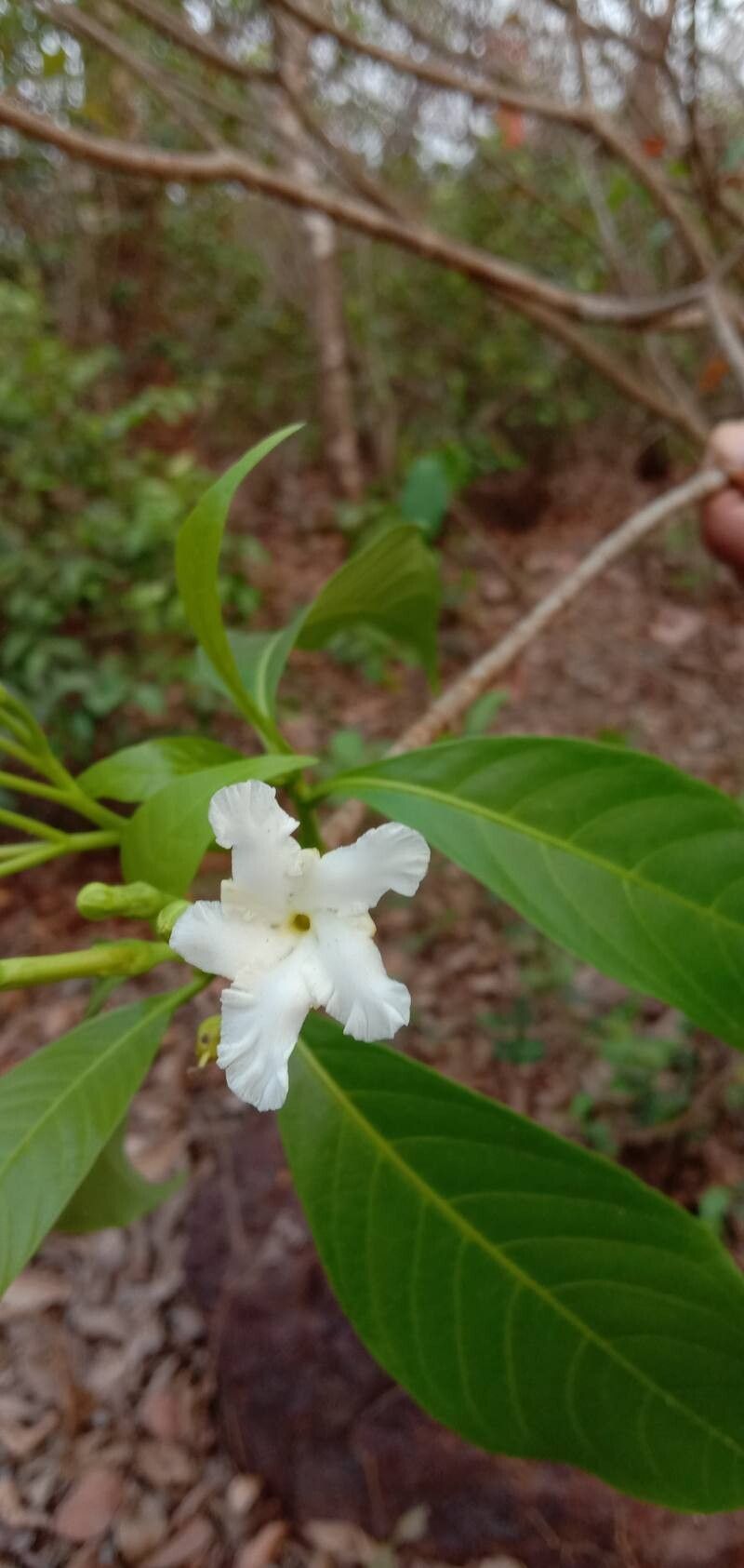
The Tabernaemontana alternifolia, also known as the East Indian rosebay or crape jasmine (though not a true jasmine), is prized for its glossy foliage and exquisitely fragrant pinwheel blooms. Native to Southeast Asia, this tropical beauty can add a touch of the exotic to your garden or home.
While procuring a mature plant is always an option, there’s a unique satisfaction in propagating your own. So, if you’re eager to multiply your floral treasures or share the joy of this enchanting plant with others, let’s delve into the world of Tabernaemontana alternifolia propagation.
Two Paths to Propagation Success:
1. Stem Cuttings: A Summertime Affair
- Timing is Key: The optimal period for this method is during the plant’s active growing season – spring to early summer.
- Selecting the Perfect Cuttings: Look for healthy, non-flowering stems with at least 3-4 nodes (small bumps where leaves emerge). Using a sharp, sterilized knife or pruning shears, take cuttings about 4-6 inches long.
- Preparing the Cuttings: Remove leaves from the bottom inch or two of the cutting. To encourage rooting, consider dipping the cut end in rooting hormone (though this isn’t strictly necessary).
- Planting and Patience: Plant the cuttings in a well-draining potting mix, burying the bottom node. Water thoroughly and place in a warm, humid location away from direct sunlight. Misting regularly can help maintain optimal humidity.
- Signs of Success: After a few weeks, you should start to see new growth, indicating successful rooting. Once the cutting is well-established (around 8 weeks), you can transplant it to a larger pot or your garden.
2. Seeds: Embracing Nature’s Pace
- Source Your Seeds: You can collect seeds from mature Tabernaemontana alternifolia plants (though they are not always readily available).
- Preparing for Germination: Soak the seeds in water for 24 hours before sowing. This softens the seed coat and aids in germination.
- Sowing the Seeds: Plant the seeds in seed-starting mix, covering them lightly with soil. Water gently and keep the soil consistently moist.
- Warmth and Light: Place the seed tray in a warm, well-lit location, but out of direct sunlight. Using a heat mat can be beneficial, especially in cooler climates.
- Germination Takes Time: Be patient; seed germination can take anywhere from a few weeks to a couple of months.
- Transplanting Time: Once the seedlings have developed a few sets of true leaves, they can be transplanted into individual pots.
Nurturing Your Newborns:
Regardless of the propagation method you choose, remember that these young Tabernaemontana alternifolia plants need extra care. Provide them with:
- Well-draining Soil: A mix designed for tropical plants or a blend of peat moss, perlite, and sand works well.
- Adequate Watering: Keep the soil moist but avoid overwatering, which can lead to root rot.
- Bright, Indirect Light: While these plants love light, direct sunlight can scorch their leaves.
- Warm Temperatures: As tropical plants, they thrive in temperatures above 60°F (15°C).
By following these steps and arming yourself with patience, you’ll be well on your way to propagating your very own collection of these captivating, fragrant beauties. And remember, the reward of witnessing those first signs of growth and eventually, those exquisite blooms, makes the entire journey worthwhile.