
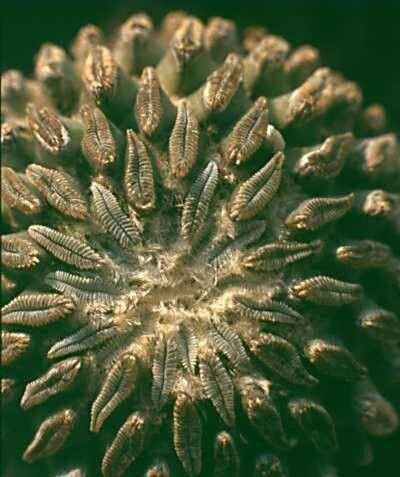
Unveiling the Secrets: How to Propagate the Rare and Wonderful Peyote Cactus (Pelecyphora aselliformis)
The Peyote cactus, also known as Pelecyphora aselliformis, is a captivating plant for any succulent enthusiast. Its unique appearance, resembling a pincushion adorned with tiny, white, comb-like scales, makes it a true conversation starter. While notoriously slow-growing, propagating this rare beauty is a rewarding endeavor for the patient gardener. If you’re ready to embark on this journey, let’s delve into the fascinating world of Pelecyphora aselliformis propagation.
Seeds: Starting Your Journey From Scratch
The most common propagation method for Pelecyphora aselliformis is through seeds. While this requires patience, as seedlings grow extremely slowly, it offers a fulfilling experience and a higher chance of success:
- Sourcing Seeds: Reputable online succulent nurseries are your best bet for finding Pelecyphora aselliformis seeds. Due to its rarity, sourcing seeds locally can be challenging.
- Sowing the Seeds: Use a well-draining seed starting mix, consisting of perlite, pumice, and a small amount of peat moss. Surface sow the seeds, gently pressing them into the mix.
- Moisture and Light: Mist the soil thoroughly, ensuring it remains evenly moist but not soggy. Provide bright, indirect light, as direct sunlight can scorch the delicate seedlings.
- Patience is Key: Germination can take anywhere from a few weeks to several months. Maintain consistent moisture and temperature, ideally around 70-75°F (21-24°C).
Grafting: A Faster Route to Maturity
For those seeking quicker results, grafting offers a faster path to mature Pelecyphora aselliformis plants:
- Choosing a Rootstock: Pereskiopsis species are often used as rootstocks due to their fast growth and compatibility with Pelecyphora.
- Grafting Process: This involves carefully attaching a section of the Pelecyphora aselliformis stem (scion) onto a prepared rootstock. Secure the graft with a rubber band or grafting clips.
- Post-Grafting Care: Place the grafted plant in a humid environment, such as a propagation box, to encourage callusing and union. Once the graft has taken, gradually acclimate the plant to normal growing conditions.
Offsets: A Less Common Occurrence
While not as frequent as other succulents, Pelecyphora aselliformis can occasionally produce offsets, also known as pups.
- Separating Offsets: Once the offsets are large enough (at least 1 cm in diameter), carefully detach them from the mother plant using a clean, sharp knife.
- Allow to Callus: Let the detached offsets dry for a few days to allow the wound to callus over. This prevents potential rot when planted.
- Potting the Offsets: Plant the callused offsets in well-draining soil, following the same care guidelines as with seedlings.
Cultivation Tips for Success
Regardless of your chosen propagation method, here are some crucial tips for cultivating thriving Pelecyphora aselliformis:
- Well-Draining Soil: Use a specialized soil mix designed for cacti and succulents.
- Bright, Indirect Light: Provide bright, filtered sunlight for several hours daily.
- Infrequent Watering: Allow the soil to dry out completely between waterings. Overwatering is the quickest way to lose these plants.
- Pot with Drainage: Choose pots with drainage holes to prevent waterlogging.
- Fertilize Sparingly: Once established, fertilize lightly during the growing season with a diluted, balanced fertilizer.
Propagating Pelecyphora aselliformis is a labor of love, demanding patience and dedication. However, the reward of witnessing these rare, fascinating cacti flourish under your care makes it an incredibly rewarding experience. Whether you choose to embark on the journey from seed or explore the art of grafting, remember to arm yourself with knowledge and embrace the joys of slow and steady growth.