
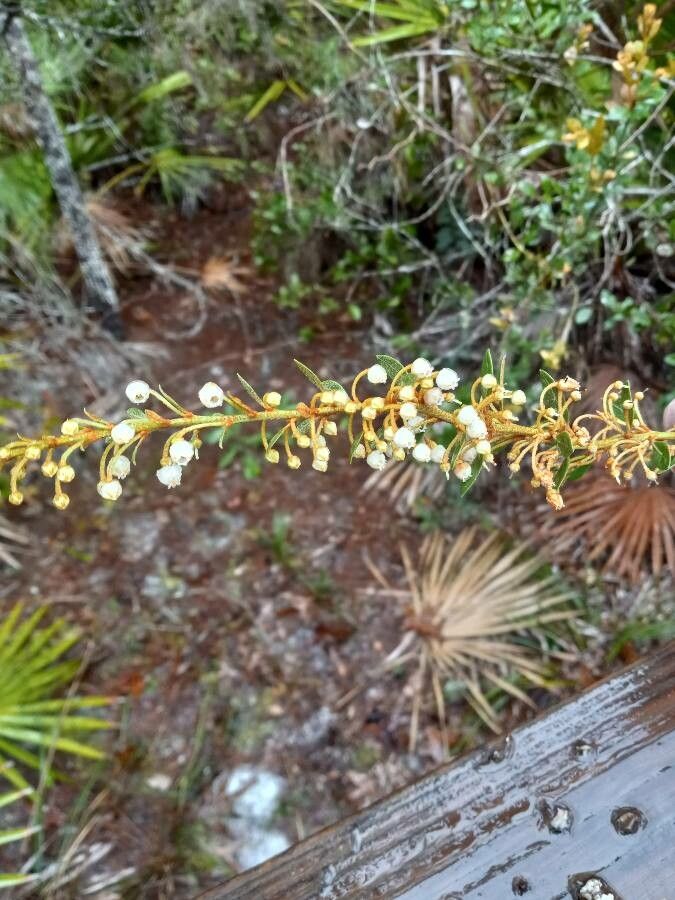
Taming the Wild: Propagating the Rusty Lyonia (Lyonia ferruginea) at Home
The Rusty Lyonia, with its intriguing name and unique aesthetic, might not be the first plant that comes to mind when you think about landscaping. But this hardy native shrub, with its rusty-hued new growth and delicate bell-shaped flowers, deserves a second look. And the best part? Propagating Lyonia ferruginea, while slightly challenging, is achievable for home gardeners willing to put in a little extra effort.
Understanding the Rusty Lyonia
Native to the southeastern United States, Lyonia ferruginea, also known as the Rusty Staggerbush, thrives in acidic, well-drained soils found in pine flatwoods, sandhills, and scrub habitats. This adaptable shrub typically reaches a height of 3-10 feet, showcasing leathery, olive-green leaves coated with a distinctive rusty fuzz on the underside. In spring, clusters of dainty white or pink blooms decorate the branches, attracting pollinators and adding a touch of elegance to the landscape.
Propagation Techniques: A Two-Pronged Approach
While Lyonia ferruginea can be challenging to propagate, success lies in understanding its preferred methods:
1. Seed Propagation: Embracing the Patience Game
- Collection and Preparation: Collect ripe seed capsules in the fall. Look for capsules that have turned brown and begun to split open. Extract the tiny seeds and store them in a cool, dry place until ready to sow.
- Sowing: Patience is key with seed propagation. Start seeds indoors several months before the last frost. Sow seeds on the surface of a well-draining seed starting mix and keep them consistently moist.
- Germination: Germination can be erratic and may take several weeks or even months. Providing bottom heat (around 70°F) can help speed up the process.
- Transplanting: Once seedlings are large enough to handle, transplant them into individual pots and continue growing them under controlled conditions until they are robust enough to be planted outdoors.
2. Semi-Hardwood Cuttings: A More Expedited Route
- Timing is Key: The optimal time to take cuttings is in late summer or early fall when new growth starts to harden.
- Taking Cuttings: Select healthy, semi-hardwood stems that are showing signs of maturity. Cuttings should be 4-6 inches long and taken from the current season’s growth.
- Preparing Cuttings: Remove the leaves from the bottom inch of the cutting and wound the base slightly to encourage rooting. Dip the cut end in rooting hormone to increase the chances of success.
- Planting and Care: Plant cuttings in a well-draining rooting mix, burying the bottom node. Keep the medium consistently moist and provide high humidity, potentially using a humidity dome or plastic bag.
- Rooting: Cuttings usually take several weeks to root. Once rooted, gradually acclimate them to outdoor conditions before transplanting them to their permanent location.
Tips for Success
- Mimic Nature: Lyonia ferruginea prefers acidic soils. Amend your potting mix or planting site with peat moss or elemental sulfur to lower the pH.
- Patience is Paramount: Propagating Lyonia ferruginea requires patience, regardless of the method. Don’t be discouraged if you don’t see results immediately.
- Provide Proper Care: Once established, Lyonia ferruginea is relatively low-maintenance. Provide adequate moisture, especially during dry periods, and prune lightly after flowering to maintain its shape.
Though propagating Lyonia ferruginea might seem daunting at first, the rewards are well worth the effort. By following these tips and embracing a little patience, you can successfully propagate this fascinating native shrub and enjoy its unique beauty in your own backyard.