
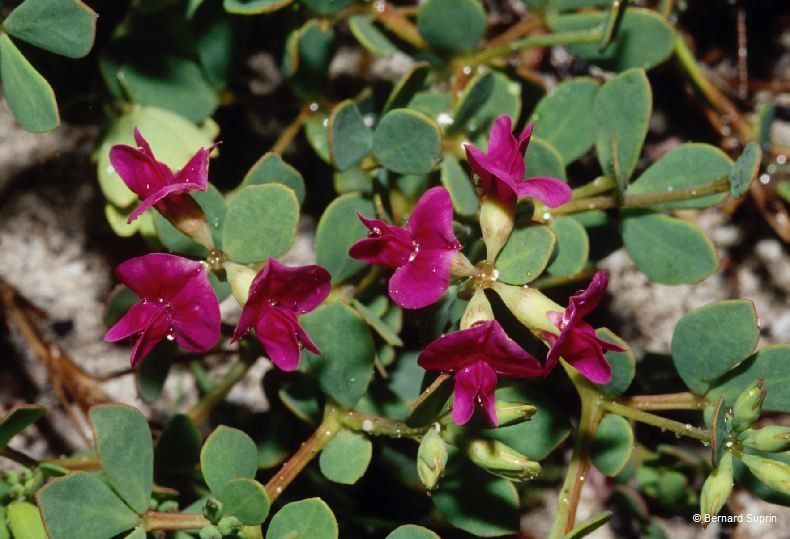
Unfurling the Mysteries: Propagating the Intricate Lotus anfractuosus
The Lotus anfractuosus, with its delicate fan-shaped leaves and captivating yellow flowers, is a true testament to the beauty found in nature’s intricacies. Native to Western Australia, this vibrant plant adds a touch of the outback to any garden lucky enough to host it. But cultivating the Lotus anfractuosus is no easy feat. Unlike its water-loving namesake, propagation of this Australian gem requires a touch of finesse and a dash of patience.
This guide delves into the fascinating world of Lotus anfractuosus propagation, equipping you with the knowledge to cultivate this unique plant successfully.
Method 1: The Power of Seeds
The most common method for propagating Lotus anfractuosus is through seeds. While it might test the limitations of your patience, successfully germinating these little wonders brings a special kind of satisfaction. Here’s how:
- Source your seeds: Reputable online vendors are your best bet, ensuring healthy seeds with higher germination rates.
- Scarification: The hard seed coat necessitates scarification. Gently rubbing the seed with sandpaper or a nail file weakens the outer layer, promoting water absorption and germination.
- Soaking: Submerge the scarified seeds in warm water for 24 hours, allowing them to plump up and prepare for sprouting.
- Sowing: Choose a well-draining potting mix designed for Australian natives. Sow the seeds about 1 cm deep and mist the soil gently.
- Patience: Germination time can vary considerably, ranging from a few weeks to several months. Maintain consistent moisture and a warm environment (around 20-25°C), simulating the Australian climate.
Method 2: The Art of Cuttings
While slightly less common, propagating Lotus anfractuosus from cuttings offers a quicker route to a mature plant. Here’s a step-by-step breakdown:
- Timing is key: Take cuttings during the active growing season (spring or early summer) to maximize success rates.
- Selecting the cutting: Choose a healthy stem, approximately 10-15cm long, with several leaf nodes.
- Preparing the cutting: Remove the lower leaves, leaving only a few at the top. This minimizes water loss and encourages root development.
- Rooting hormone (optional): While not mandatory, dipping the cut end in rooting hormone can significantly improve success.
- Planting the cutting: Use a well-draining potting mix, creating a small hole for the cutting and ensuring the leaf nodes are buried.
- Creating a humid environment: Cover the pot with a plastic bag or use a propagation dome to maintain humidity, mimicking a greenhouse environment.
- Patience and observation: Keep the soil consistently moist and monitor for new growth, indicating successful rooting.
General Care for your Lotus anfractuosus:
Regardless of your chosen propagation method, remember these tips for healthy growth:
- Well-draining soil: Opt for a coarse mix designed for Australian natives to mimic their natural environment.
- Sunlight: Bright, indirect light is ideal, mimicking their natural habitat under the Australian sun. Avoid direct sunlight, which can scorch their delicate leaves.
- Watering: Water moderately, allowing the soil to dry out slightly between waterings. Overwatering can lead to root rot.
- Fertilization: During the growing season (spring and summer), feed your Lotus anfractuosus with a diluted fertilizer specifically designed for Australian natives.
Cultivating the Lotus anfractuosus might demand patience and a gentle touch, but the reward of seeing this unique beauty flourish is well worth the effort. So, roll up your sleeves, grab your gardening gloves, and embark on the fascinating journey of propagating the intricate Lotus anfractuosus.