
Taming the Tamanu: Propagating the Majestic Calophyllum caledonicum
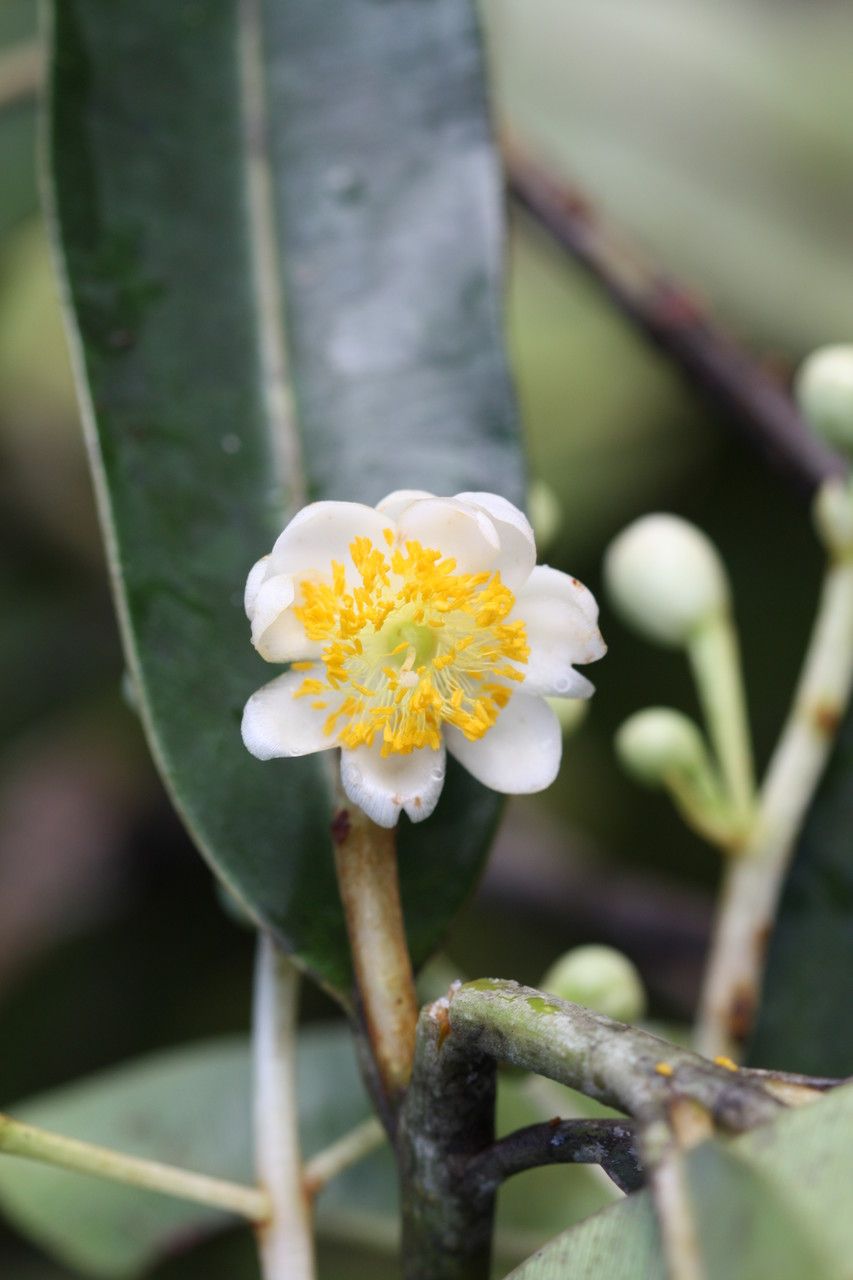
The Calophyllum caledonicum, more commonly known as the Tamanu or Beauty Leaf tree, is a majestic evergreen prized for its beauty and medicinal properties. Native to the coastal forests of the Pacific Islands, this stately tree, with its glossy, dark green foliage and fragrant white blossoms, makes a stunning addition to tropical landscapes. But have you ever thought about growing your own?
While finding a mature Tamanu in your local nursery might be a challenge, propagating this tropical treasure is achievable with a little patience and the right know-how. Let’s dive into the world of Calophyllum caledonicum propagation and uncover the secrets to success:
Method 1: Seed Propagation – Embracing the Natural Way
The most common method for propagating Calophyllum caledonicum is through its distinctive, round, green fruit. These fruits, about the size of a golf ball, contain a single large seed. Here’s how to coax these seeds to life:
Fruit Collection & Seed Extraction: Harvest mature fruits directly from the tree or collect them from the ground. Remove the fleshy outer layer and thoroughly clean the seed to prevent fungal growth.
Scarification (Optional but Recommended): Tamanu seeds have a hard outer shell. To accelerate germination, gently rub the seed with sandpaper or a file, creating a small nick in the shell.
Soaking: Soak the scarified seeds in lukewarm water for 24-48 hours. This softens the outer layer and encourages water absorption.
Planting: Plant seeds about an inch deep in a well-draining potting mix. A mixture of peat moss, perlite, and vermiculite works well.
- Environment & Care: Place the pot in a warm, brightly lit location, avoiding direct sunlight. Keep the soil consistently moist but not waterlogged.
Germination can be unpredictable, ranging from a few weeks to several months. Be patient!
Method 2: Cuttings – A Quicker Route to Success?
While not as common as seed propagation, Calophyllum caledonicum can also be propagated through cuttings. This method offers a faster option but requires more finesse:
Cutting Selection: Select healthy, semi-woody stems from the current year’s growth. Ideally, the cutting should be around 6-8 inches long.
Cutting Preparation: Remove leaves from the lower half of the cutting. Dip the cut end in a rooting hormone to encourage root development.
Planting Medium: Plant the cuttings in a well-draining rooting medium, similar to the one used for seed propagation.
Humidity is Key: Maintain high humidity around the cuttings by covering the pot with a clear plastic bag or using a humidity dome.
- Patience & Care: Keep the rooting medium consistently moist and place the cuttings in a warm location with indirect sunlight.
Rooting can take several weeks. Once the cuttings show signs of new growth, it indicates successful root development.
Challenges & Tips
- Germination Inconsistency: Tamanu seeds can be temperamental. Don’t be discouraged by inconsistent germination rates.
- Fungal Issues: Keep a close eye out for fungal problems. Using sterilized potting mix and ensuring proper drainage will help prevent these issues.
- Patience is Paramount: Propagating Calophyllum caledonicum, regardless of the method, requires patience. Don’t give up if you don’t see immediate results.
Rewarding Endeavor
Successfully propagating your own Calophyllum caledonicum is truly rewarding. With dedication and care, you can nurture this magnificent tree from seed or cutting, eventually enjoying its beauty and reaping the benefits of its healing oils and traditional uses. So, why not embark on this horticultural adventure and add a touch of tropical elegance to your own green space?