
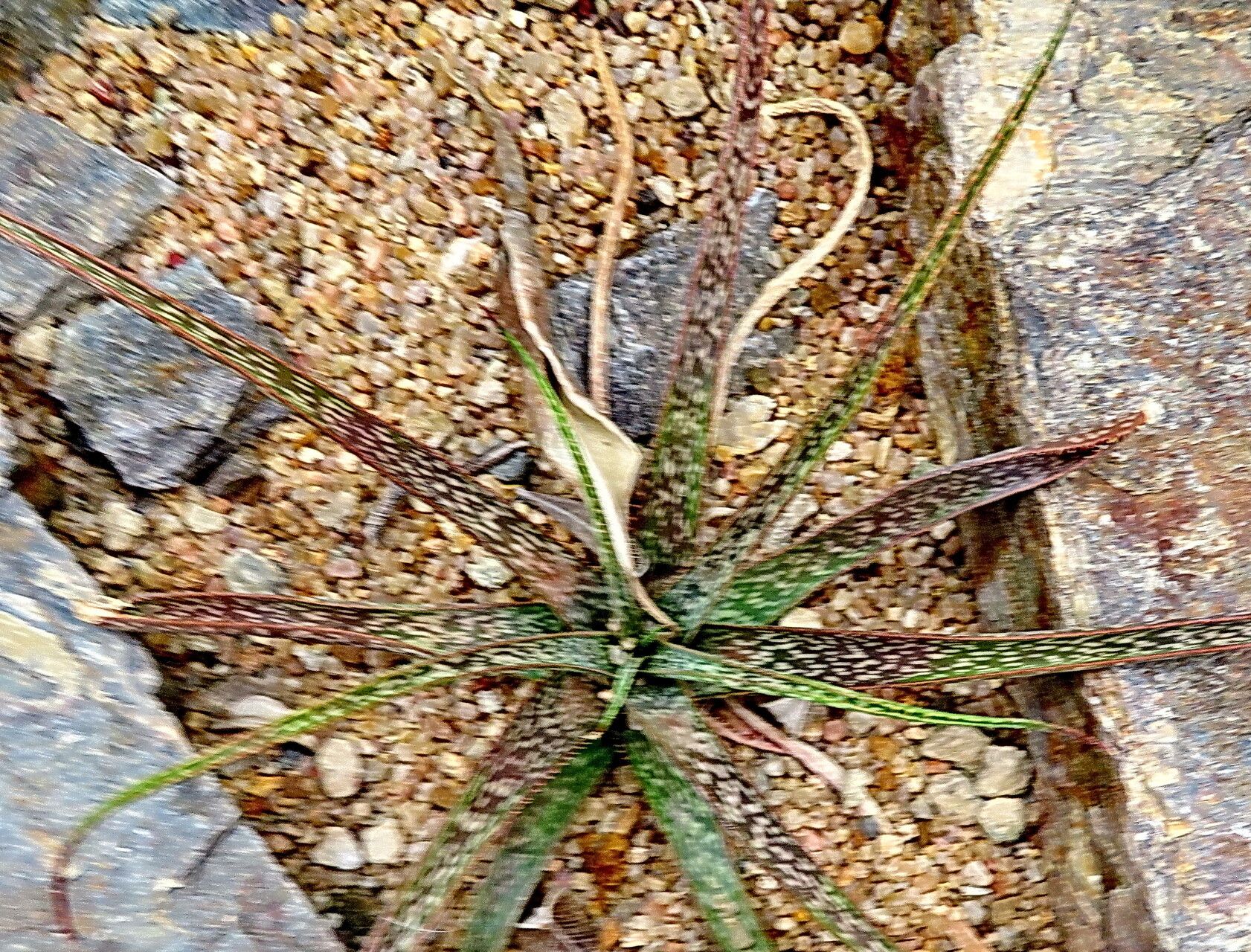
Unveiling the Secrets to Multiply Your Aloe Bellatula: A Propagation Guide
The Aloe bellatula, with its captivating spotted leaves and coral-hued blooms, is a welcome addition to any succulent enthusiast’s collection. While admiring its unique beauty is a delight in itself, there’s a special kind of satisfaction that comes from multiplying your collection through propagation. Fortunately, the Aloe bellatula, like many succulents, is relatively easy to propagate, allowing you to share its splendor with friends or expand your own plant family.
This guide will delve into the two most effective methods for propagating Aloe bellatula:
1. Offsets (Pups):
Aloe bellatula readily produces offsets, or “pups,” which are miniature versions of the parent plant that sprout around the base. These baby aloes are your ticket to propagation success!
- When to propagate: The ideal time to remove offsets is during the plant’s active growing season, typically spring or early summer. Look for pups that have developed a few leaves of their own (at least an inch or two) and a healthy root system.
- How to remove offsets: Gently wiggle the pup away from the mother plant, using clean hands or a sterilized knife if needed. Ensure you gather as much of the pup’s root system as possible.
- Potting: Allow the offset to callous over for a day or two before potting it up. Use a well-draining potting mix specifically formulated for succulents or cacti. Plant the offset at the same depth it was previously growing and water sparingly.
- Care: Place the newly potted offset in a warm, bright location but avoid direct sunlight until it establishes itself. Once you see new growth, you can gradually introduce it to more sunlight and resume a regular watering schedule, allowing the soil to dry out completely between waterings.
2. Leaf Cuttings:
While not as common as offset propagation, Aloe bellatula can also be propagated through leaf cuttings, although success rates might vary.
- Choosing a leaf: Select a plump, healthy leaf from the outer part of the plant. Avoid using damaged or stressed leaves.
- Taking the cutting: Using a sharp, sterilized knife or shears, make a clean cut at the base of the leaf where it connects to the stem.
- Callousing: Allow the cut end of the leaf to callus over for several days to a week in a warm, dry location. This prevents rot when planted.
- Planting: Once calloused, dip the cut end in rooting hormone (optional but beneficial) and plant it in a well-draining potting mix, burying about an inch of the leaf.
- Care: Water sparingly and provide bright, indirect light. It may take several weeks or even months for roots and a new plantlet to develop. Be patient and maintain a consistent environment.
Troubleshooting:
- Rotting: Overwatering is the biggest culprit. Ensure your potting mix is well-draining and water only when the soil is completely dry.
- Slow growth: Lack of light can hinder growth. Provide your Aloe bellatula with sufficient bright, indirect light.
With a little patience and care, you can successfully propagate your Aloe bellatula and enjoy the satisfaction of nurturing new life from your existing plant. Happy propagating!