
Unlocking the Secrets of Drynaria Descensa Propagation: From Spores to Stunning Staghorns
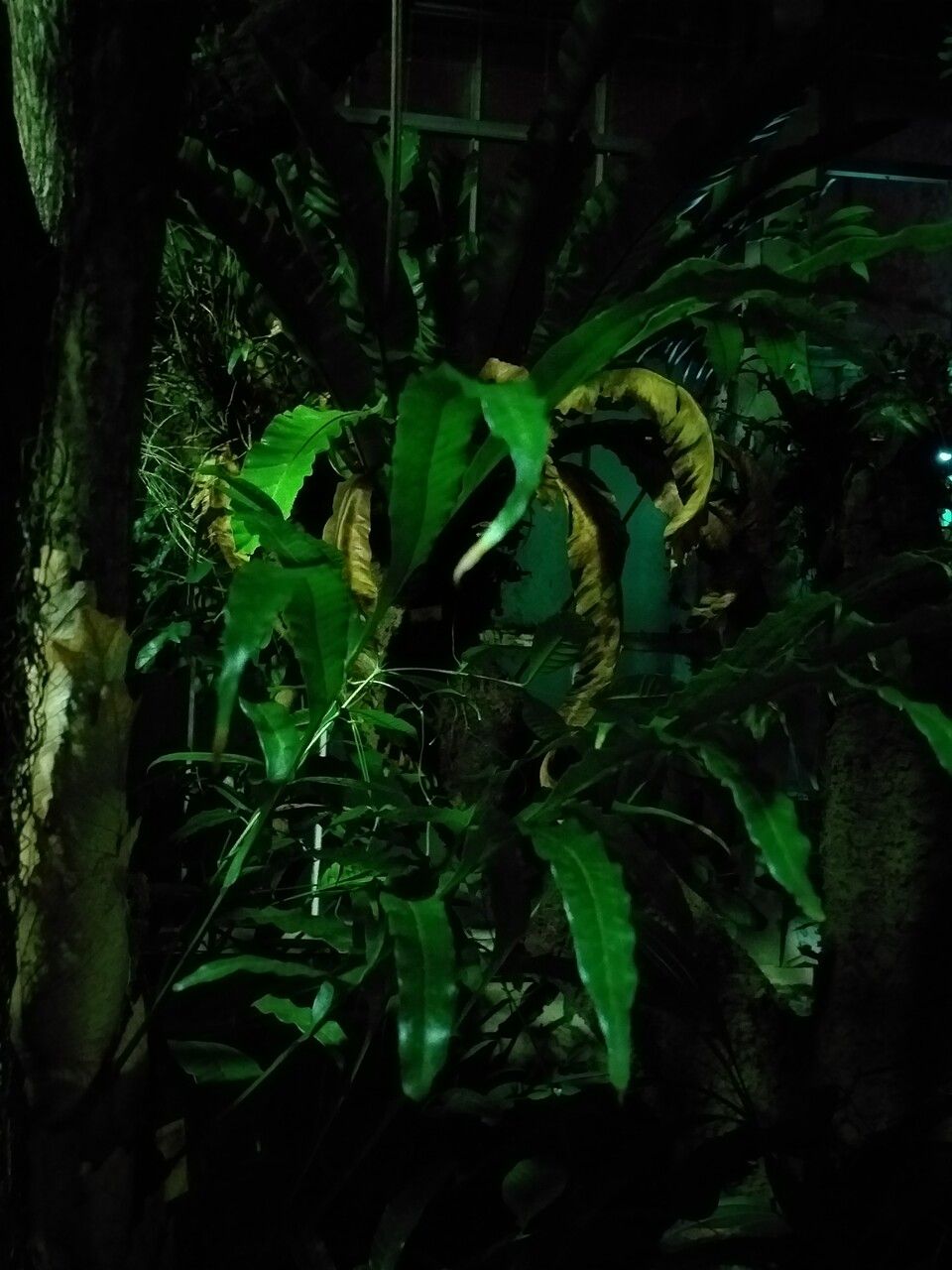
Drynaria descensa, more affectionately known as the Basket Fern or Oak Leaf Fern, is a captivating epiphyte celebrated for its unique foliage. Unlike typical ferns with delicate, feathery fronds, this intriguing species boasts two distinct frond types: fertile, antler-like fronds that give it the common name “Staghorn,” and sterile, shield-like fronds that clasp onto surfaces, mimicking a basket.
While the allure of Drynaria descensa is undeniable, many enthusiasts find themselves wondering about the most effective ways to propagate this botanical marvel. Luckily, there are two primary methods you can use to expand your collection or share the joy of these ferns with others: spore propagation and division.
Spore Propagation: A Rewarding Journey of Patience
For those who enjoy witnessing the entire life cycle of a plant, spore propagation offers a fascinating challenge. Here’s a step-by-step guide:
- Spore Collection: Identify mature, brown spores on the underside of fertile fronds. Gently scrape them off onto a clean piece of paper.
- Spore Sowing: Prepare a sterile, well-draining sowing medium. Peat moss or a fern-specific mix works well. Spread the spores thinly on the surface, avoiding clumping.
- Creating a Humid Environment: Cover the pot with a clear plastic bag or place it inside a humidity dome to maintain high moisture levels. Ensure adequate indirect light and temperatures around 70-75°F (21-24°C).
- Patience is Key: Germination can take anywhere from a few weeks to several months. Once small, heart-shaped gametophytes appear, mist them regularly.
- Transplanting Sporelings: When the gametophytes develop tiny fernlets, carefully transplant them into individual pots filled with a well-draining growing medium.
Division: A Quicker Path to New Ferns
If you prefer a faster propagation method, division is your best bet. This works particularly well for mature Drynaria descensa plants with multiple growth points:
- Timing is crucial: Divide your fern in spring or early summer when it’s actively growing.
- Gentle Separation: Carefully remove the fern from its pot and identify healthy sections with at least one growth point and a good root system. Using a clean, sharp knife or shears, separate the sections.
- Potting the Divisions: Choose pots slightly larger than the divided sections. Use a well-draining, airy potting mix suitable for epiphytes.
- Provide Support: Securely mount the divided ferns on a piece of wood or bark, or plant them in hanging baskets that allow the sterile fronds to attach.
- Nurturing New Growth: Place the newly potted divisions in a warm, humid environment with bright, indirect light. Water regularly, ensuring the potting mix stays moist but not soggy.
Tips for Success:
- Regardless of the method, ensure your Drynaria descensa receives adequate humidity. Misting frequently or using a pebble tray can help achieve this.
- These ferns prefer indirect light; avoid direct sunlight, which can scorch their fronds.
- Provide good air circulation to prevent fungal diseases.
Propagating Drynaria descensa is an immensely satisfying experience. Whether you choose the meticulous path of spores or the quicker route of division, your efforts will be rewarded with more of these stunning, living sculptures to adorn your home and garden.