
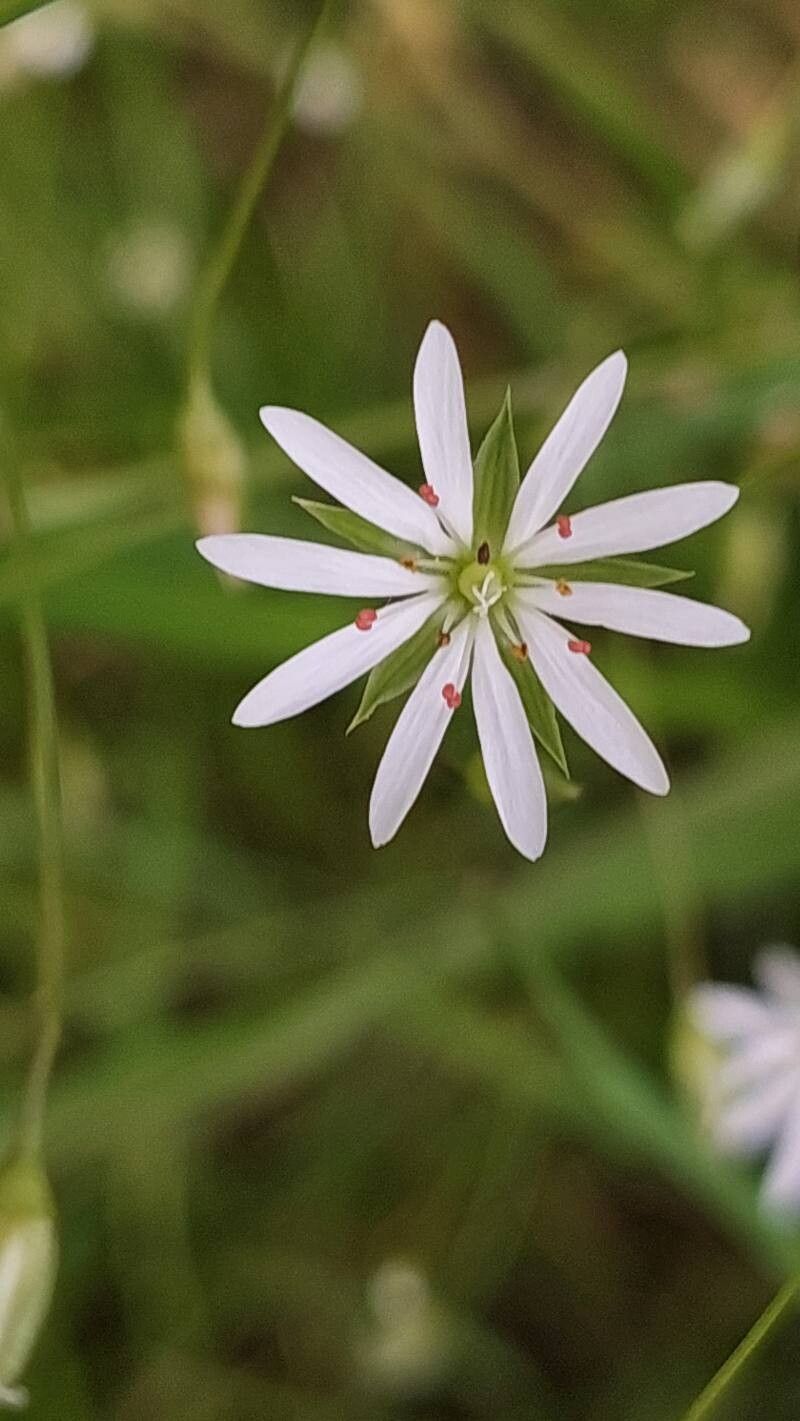
Seeding Success: Easy Propagation Techniques for Lesser Stitchwort (Stellaria graminea)
Lesser Stitchwort, with its delicate star-shaped flowers and lush green foliage, can bring a touch of wild charm to any garden. While commonly found adorning meadows and woodland edges, this unassuming beauty (also known by its scientific name, Stellaria graminea) is easier to propagate than you might think.
Whether you’re a seasoned gardener or just starting out, this guide will equip you with the knowledge to easily multiply your Lesser Stitchwort using two simple methods:
1. Seed Propagation:
- When to Sow: Spring (after the last frost) or early Fall offer the ideal conditions for sowing Lesser Stitchwort seeds. Spring sowing allows the seedlings to establish themselves throughout the warmer months, while fall sowing leads to earlier blooms the following year.
- Sowing Directly Outdoors: Choose a sunny or partially shaded spot in your garden with well-drained soil. Scatter the seeds evenly over the prepared area and lightly rake them into the top layer of soil, ensuring they are covered by no more than ¼ inch. Water gently and keep the soil consistently moist until germination, which usually takes 1-3 weeks.
- Starting Indoors: For an early start, sow seeds indoors 6-8 weeks before the last expected frost. Use a seed-starting mix, sow seeds at the same shallow depth, and provide consistent moisture and warmth (around 70°F). Once the seedlings develop a couple of true leaves, harden them off gradually before transplanting them outdoors after the last frost.
2. Division:
- When to Divide: Spring or early fall are the optimal times for dividing established Lesser Stitchwort clumps. Dividing in spring should be done before the plant begins actively growing, while fall division allows ample time for root establishment before winter.
- Division Process: Carefully dig up a healthy clump of Lesser Stitchwort, ensuring you dig wide enough to avoid damaging the roots. Gently tease apart the clump into smaller sections, each with a good portion of roots and shoots. Replant the divisions at the same depth they were previously growing, water thoroughly, and keep the soil consistently moist until they establish themselves.
Tips for Success:
- Soil: Lesser Stitchwort tolerates a variety of soil types but thrives in well-drained, fertile soil with a slightly acidic to neutral pH.
- Light: While it prefers partial shade, this adaptable plant can tolerate full sun in cooler climates, particularly with adequate moisture.
- Watering: Water regularly, especially during dry periods, to keep the soil consistently moist but not waterlogged.
- Maintenance: Deadhead spent flowers regularly to encourage continuous blooming. Divide plants every 2-3 years to prevent overcrowding and maintain vigor.
With minimal effort, you can easily propagate Lesser Stitchwort and enjoy its delicate beauty in abundance. Whether you choose to start from seed or divide existing plants, following these simple guidelines will allow you to successfully multiply this charming wildflower, adding a touch of natural elegance to your garden year after year.