
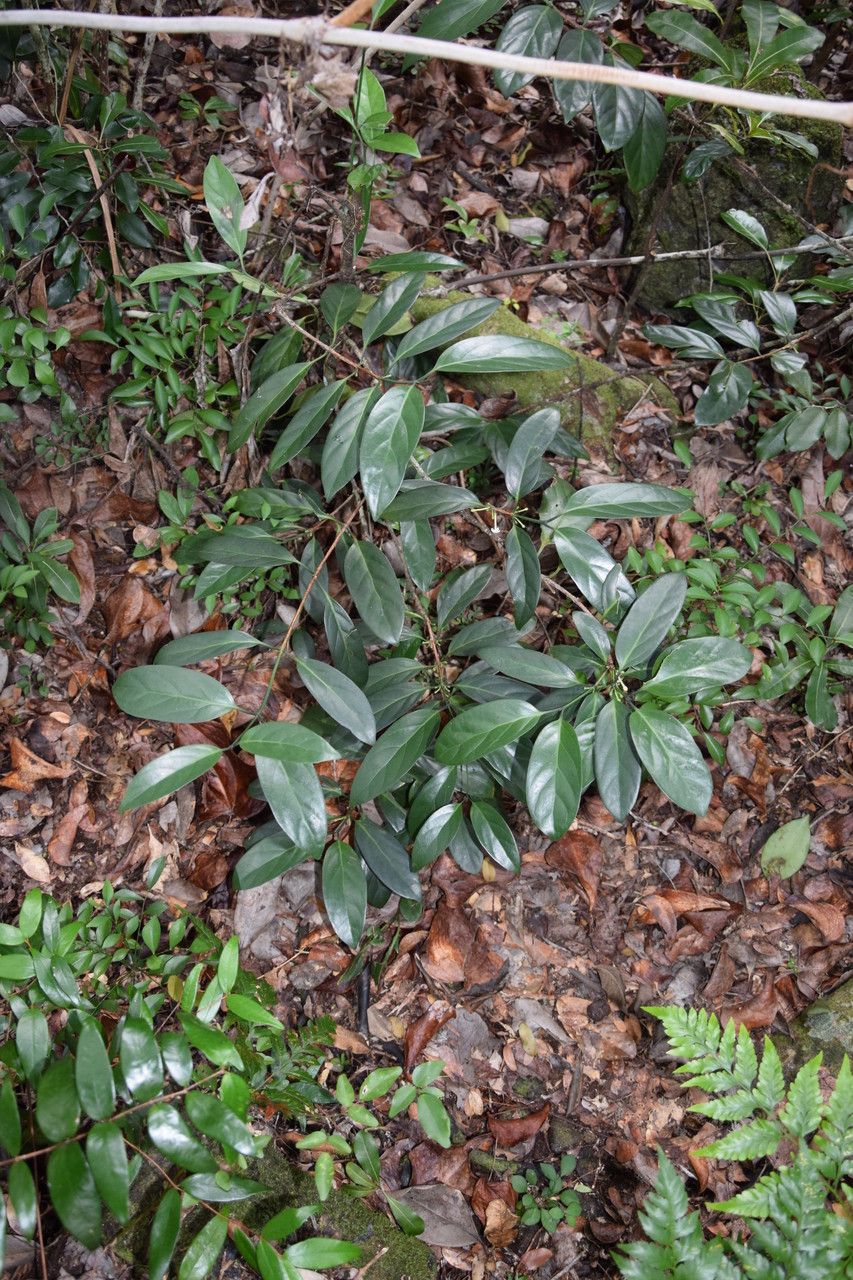
Unlocking the Secrets: Propagating the Enigmatic Cyclophyllum cardiocarpum
The world of plants is filled with fascinating species, each with its own quirks and charms. The Cyclophyllum cardiocarpum, a tropical rainforest dweller hailing from Australia, is no exception. With its glossy, deep green leaves and intriguing fruit, it’s truly a gem worth cultivating. But how does one go about propagating this somewhat obscure beauty? Let’s delve into the world of Cyclophyllum cardiocarpum propagation and unlock its secrets.
Understanding the Plant:
Before we embark on our propagation journey, it’s crucial to understand the plant itself. Cyclophyllum cardiocarpum is a climbing shrub or small tree, part of the Rubiaceae family. Its natural habitat is the warm, humid rainforests, where it thrives in the dappled shade of the canopy. This preference for filtered light and moisture is essential to remember as we explore propagation methods.
Propagation Techniques:
While information on propagating Cyclophyllum cardiocarpum is relatively scarce (making your success even more rewarding!), two primary methods are likely to yield the best results:
1. Seed Propagation:
- The Challenge: Sourcing seeds can be the biggest hurdle. Look for reputable seed suppliers specializing in unusual or tropical plants.
- The Process:
- Scarification: The seeds of Cyclophyllum cardiocarpum have a hard outer coating that benefits from scarification. Gently rub the seed with a file or sandpaper to break down this barrier, allowing for easier water absorption and germination.
- Sowing: Sow the seeds in a well-draining seed-raising mix. Keep the soil consistently moist but not waterlogged.
- Patience is Key: Germination can be slow and erratic, potentially taking several weeks or even months.
- Optimal Environment: Provide bottom heat using a heat mat, maintaining a temperature around 75-80°F (24-27°C). Humidity is crucial; create a mini greenhouse effect by covering the seed tray with a clear lid or plastic wrap.
2. Cutting Propagation:
- Timing is Everything: Take cuttings during the plant’s active growing season, ideally in spring or early summer.
- Selecting the Right Cutting: Choose healthy, semi-hardwood stems, approximately 4-6 inches long.
- Preparing the Cutting: Remove leaves from the lower third of the stem. To encourage rooting, you can dip the cut end in rooting hormone powder (although not strictly necessary).
- Planting the Cutting: Use a well-draining potting mix. Insert the cutting into the prepared hole, ensuring at least one node is below the soil line.
- Creating a Humid Environment: Cover the cutting with a clear plastic bag or use a humidity dome to maintain high moisture levels.
Nurturing Your New Plant:
Whether you choose seed or cutting propagation, providing the right care will be crucial for successful establishment:
- Light: Mimic the dappled light conditions of its natural habitat. Avoid direct sunlight, which can scorch the leaves.
- Watering: Keep the soil consistently moist but not waterlogged.
- Humidity: Remember, Cyclophyllum cardiocarpum enjoys humid conditions. Regular misting or using a pebble tray can help increase moisture levels.
A Rewarding Challenge:
Propagating Cyclophyllum cardiocarpum might require patience and a bit of a green thumb, but the rewards are well worth the effort. Successfully growing this unique plant from seed or cutting allows you to connect with nature in a special way and contribute to the preservation of this beautiful species. So, embrace the challenge and get ready to welcome the enigmatic Cyclophyllum cardiocarpum into your home!