
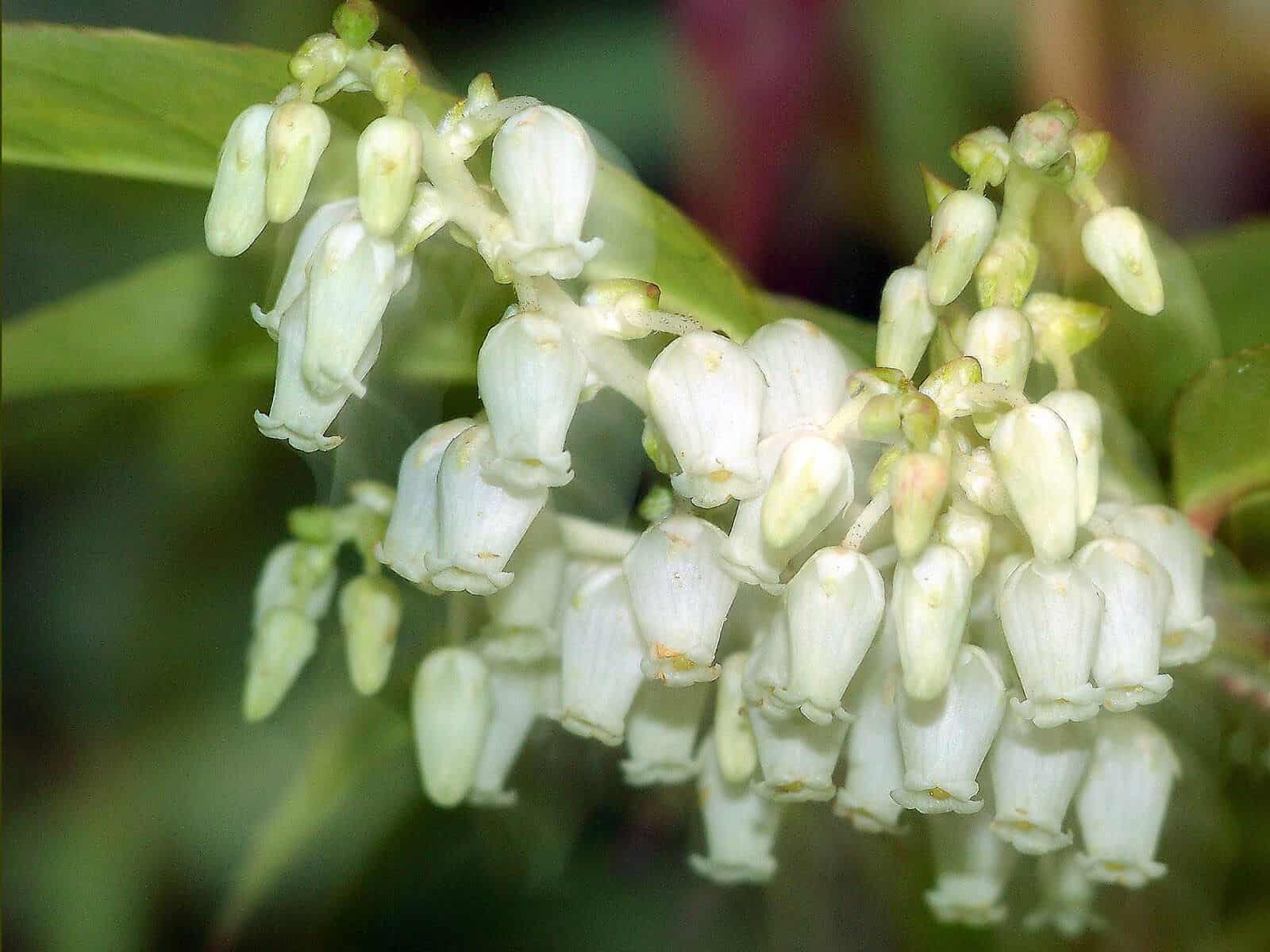
Unlocking the Secrets of Sierra Laurel Propagation: Grow Your Own Leucothoe davisiae
The Sierra Laurel (Leucothoe davisiae) is a hidden gem of the plant world. This stunning evergreen shrub, native to the high elevations of California’s Sierra Nevada, captivates with its glossy, emerald foliage and delicate, urn-shaped flowers. While finding this beauty at your local nursery might be a challenge, propagating your own Leucothoe davisiae is a rewarding endeavor that any plant enthusiast can achieve.
Understanding the Basics: When and Why Propagate?
The optimal time to propagate Leucothoe davisiae is during the dormant season, ideally in late fall or early winter. During this time, the plant’s energy is focused on root development rather than new growth, increasing the chances of successful propagation.
Two Proven Methods: Choose Your Path to Propagation
1. Propagation from Softwood Cuttings:
- Timing is Key: Take your cuttings in late spring or early summer from new growth that is just beginning to harden. Look for stems that are flexible but not overly soft.
- Making the Cut: Using a sharp, sterilized knife or pruning shears, take cuttings that are 4-6 inches long. Remove the lower leaves, leaving only 2-3 pairs at the top.
- Hormone Power: Dip the cut end of each cutting in rooting hormone to encourage faster root development.
- Creating the Ideal Environment: Plant the cuttings in a well-draining rooting medium, like a mix of peat moss and perlite. Keep the medium consistently moist but not waterlogged.
- Patience is a Virtue: It may take several weeks for the cuttings to root. Once rooted, you can transplant them into individual pots.
2. Propagation by Layering:
- Selecting the Branch: Choose a healthy, flexible branch that can easily reach the ground.
- Preparing the Branch: Lightly wound the underside of the branch by making a small cut or scraping away a section of bark.
- Layering in Action: Bend the branch down and bury the wounded section in the soil. Use a rock or landscape pin to hold it in place.
- Nature Takes its Course: Over time, roots will develop from the wounded area. Once the branch has rooted firmly, you can sever it from the parent plant and transplant it.
Nurturing Your New Leucothoe davisiae:
- Well-Drained Soil is Crucial: Leucothoe davisiae thrives in acidic soil with good drainage. Choose a planting location that receives partial shade to full shade.
- Water Wisely: While this plant enjoys consistently moist soil, overwatering can be detrimental. Water deeply but infrequently, allowing the soil to dry slightly between watering.
- Fertilize with Care: Feed your Leucothoe davisiae in the spring with a slow-release, acid-loving fertilizer.
- Prune for Shape and Health: Light pruning in late winter or early spring can help maintain the plant’s shape and remove any dead or damaged branches.
Propagating your own Leucothoe davisiae is a fulfilling way to expand your garden and enjoy the unique beauty of this Sierra Nevada native. With a little patience and care, you can cultivate your own thriving colony of this remarkable evergreen shrub.