
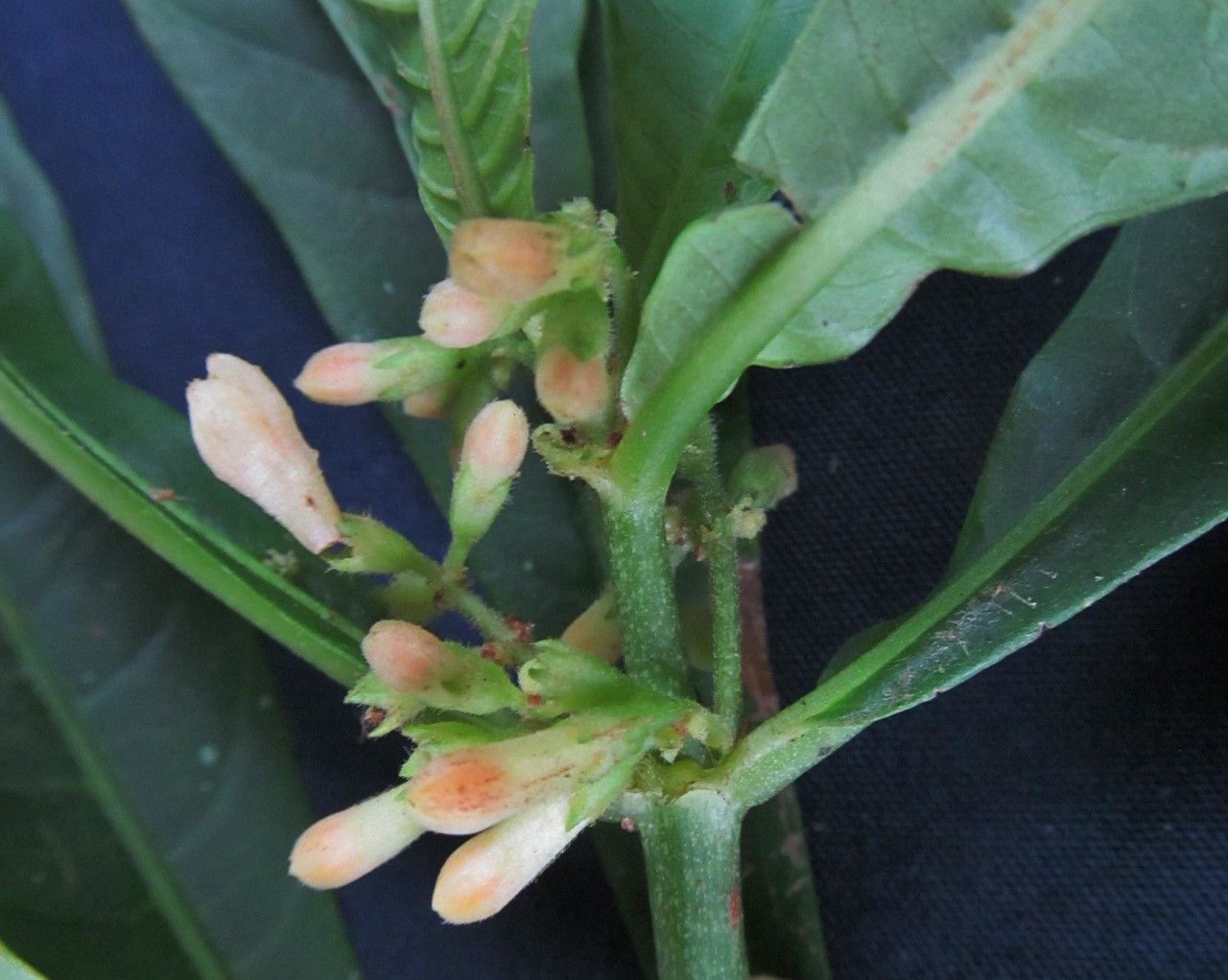
Unveiling the Secrets of Hoffmannia Asclepiadea Propagation: A Guide to Multiplying Your Tropical Jewel
Hoffmannia asclepiadea, with its mesmerizingly large, intricately-veined leaves, is a sight to behold. Often referred to as the “Dishcloth Plant” for its textured foliage, this tropical beauty can be a captivating addition to your indoor jungle. But what if you want more of this lush delight? Fear not, aspiring plant parent, for we’re about to delve into the art of Hoffmannia asclepiadea propagation, unlocking the secrets to multiplying your verdant treasure.
Two Roads to Propagation: Choose Your Adventure
While Hoffmannia asclepiadea isn’t typically grown from seed, there are two primary methods for propagating this plant: stem cuttings and division. Let’s explore both:
1. Stem Cuttings: A Beginner-Friendly Approach
- Timing is Key: Spring and early summer are ideal for this method, coinciding with the plant’s active growth period.
- Tools of the Trade: Gather clean, sharp pruning shears or a sharp knife, a rooting hormone (optional but helpful), and a well-draining potting mix or perlite.
- The Cutting Edge: Select a healthy stem with at least two nodes (those little bumps where leaves emerge). Make a clean cut just below a node.
- Hormone Boost: Dip the cut end in rooting hormone to encourage root development.
- Planting the Seed (Figuratively): Insert the cutting into your chosen medium, ensuring at least one node is buried.
- Creating a Humid Haven: Place the cutting in a warm, brightly lit area, avoiding direct sunlight. Cover the pot with a plastic bag or humidity dome to create a greenhouse-like environment.
- Patience, Young Padawan: Rooting takes time, typically 4-6 weeks. You’ll know it’s working when you see new growth. Once established, pot the cutting in its own container.
2. Division: For the More Experienced Grower
- Divide and Conquer: This method is best when repotting a mature, overgrown plant. Gently remove the plant from its pot and carefully tease apart the root ball into smaller sections, ensuring each section has healthy roots and shoots.
- Pots for the Progeny: Pot each division in a well-draining mix, ensuring the crown of the plant is level with the soil surface.
- TLC is Crucial: Keep the newly divided plants in a warm, humid environment with bright, indirect light. Water thoroughly after potting.
Nurturing Your New Additions:
- Bright, Indirect Light: Hoffmannia asclepiadea thrives in bright, indirect light. Avoid direct sunlight, which can scorch the leaves.
- Humidity is Happiness: Mimic the plant’s tropical origins by providing high humidity. Misting regularly or placing the pot on a pebble tray filled with water can help.
- Watering Wisely: Water thoroughly when the top inch of soil feels dry, allowing excess water to drain. Don’t let the plant sit in soggy soil, as this can lead to root rot.
Propagating your Hoffmannia asclepiadea isn’t just about multiplying your plant collection; it’s about fostering new life and deepening your connection with the natural world. So grab your gardening gloves, summon your inner plant whisperer, and embark on this rewarding journey!