
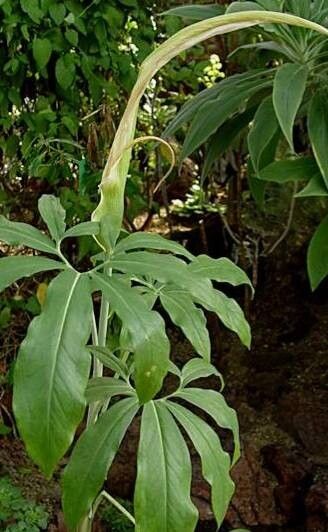
Waking the Dragon: Propagating the Exotic Dracunculus canariensis
Imagine a plant so striking, it looks like it sprang from the pages of a fantasy novel. Now picture a bloom so large and unusual, it inspires nicknames like “Dragon Lily” and “Voodoo Lily.” You’ve just conjured up the Dracunculus canariensis, a botanical marvel hailing from the Canary Islands. If you’re ready to welcome this dramatic beauty into your garden, mastering propagation is your first step. Let’s unlock the secrets to multiplying your very own dragon’s den.
Two Paths to Propagation:
While growing from seed is possible, propagating Dracunculus canariensis is most successful and efficient through tuber division. This method involves separating offsets, or “baby tubers,” from the mother plant.
1. Tuber Division: Unleashing the Clones
Timing is Everything: Late summer, after the plant has finished flowering and the foliage is beginning to die back, is the ideal time to divide the tubers.
Digging Deep: Carefully unearth the entire clump, ensuring you don’t damage any tubers. Loosen the soil around the edges and lift gently from the base of the plant.
Separation Anxiety (Or Lack Thereof): You’ll notice smaller tubers clustered around the main one. Gently break these apart, making sure each division has at least one healthy “eye” or growing point.
Potting Up Your Progeny: Choose well-draining soil and pots slightly larger than the divisions. Plant the tubers about 4-6 inches deep, ensuring the growing point faces upwards. Water lightly and allow the pots to rest in a cool, shady spot until new growth appears.
2. Seed Propagation: A Patience Game
Growing Dracunculus canariensis from seed requires time and a dash of luck. Here’s how to try your hand at it:
Harvesting Hopes: Allow the seed pods to dry fully on the plant before collecting them. Be warned, the seeds have a pungent odor!
Sowing the Seeds: Plant the seeds in a seed-starting mix, barely covering them with soil. Keep the soil moist and place the tray in a warm, bright location. Germination can be erratic and may take several weeks or even months.
Transplant Triumph: Once the seedlings are several inches tall, transplant them into individual pots and grow them on until they are large enough to plant outdoors.
Dragon Care Tips:
Whether you choose tuber division or seeds, providing the right care is crucial for success:
- Well-Drained Soil: Soggy soil is a death sentence for these Canary Islanders. Amend heavy soils with perlite or sand.
- Sun or Shade? Dracunculus canariensis thrives in dappled shade, mimicking its natural habitat under the canopy of trees.
- Water Wisely: Keep the soil moist during the growing season, but avoid overwatering. Allow the soil to dry out slightly between waterings.
- Winter Dormancy: In colder climates, the plant will die back to the ground in winter. A layer of mulch can help protect the tubers from frost.
Propagating Dracunculus canariensis is a rewarding experience, allowing you to share the magic of this extraordinary plant with fellow garden enthusiasts. With a little patience and the right know-how, you can create a mesmerizing display of these “dragon lilies” that will have everyone breathing fire over your gardening prowess.