
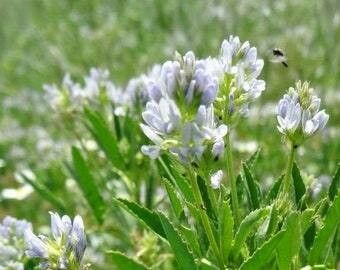
Unlock the Aroma: Propagating Blue Fenugreek (Trigonella caerulea)
Blue fenugreek, also known as Trigonella caerulea, is not your typical garden variety herb. Unlike its more common cousin, the pungent fenugreek used in many Asian cuisines, blue fenugreek boasts delicate blue blossoms and a milder, more palatable, hay-like aroma. It’s this unique fragrance, often described as reminiscent of fresh-cut grass and maple syrup, that makes blue fenugreek a prized addition to cheeses, bread, and even syrups.
Interested in introducing this unique herb to your culinary arsenal? Propagating blue fenugreek is surprisingly straightforward, offering both seed and cutting methods for a successful start.
Seeds of Success: The Go-To Method
Starting blue fenugreek from seed is the most common and reliable approach:
- Timing is Everything: Aim to sow your seeds in early spring, either directly outdoors after the last frost or indoors for an earlier start.
- Prepare the Seedbed: Blue fenugreek prefers well-drained soil with a slightly acidic to neutral pH (6.0-7.0). Amend heavy soils with compost for optimal drainage.
- Sowing Depth: Sow seeds about ¼ inch deep and 1 inch apart. Gently press the soil to ensure good seed-to-soil contact.
- Watering Wisdom: Keep the soil consistently moist but not waterlogged. A spray bottle provides gentler watering for delicate seedlings.
- Sunlight Needs: Blue fenugreek thrives in full sun to partial shade. Aim for at least 6 hours of sunlight daily for robust growth.
- Thinning Out: Once seedlings reach 2-3 inches tall, thin them out to about 6 inches apart to prevent overcrowding.
Branching Out: Propagating from Cuttings
While less common, propagating blue fenugreek from cuttings offers a faster route to mature plants:
- Time it Right: Take cuttings in late spring or early summer from healthy, established plants.
- Cutting Technique: Using clean, sharp shears, take 4-6 inch cuttings from stem tips. Remove the lower leaves, leaving 2-3 pairs at the top.
- Hormonal Boost: While optional, dipping the cut end in rooting hormone can encourage faster root development.
- Planting Medium: Choose a well-draining potting mix or a mix of perlite and peat moss.
- Creating the Right Environment: Plant the cuttings in pots and mist them well. To maintain humidity, cover the pots with a plastic bag or use a propagation dome.
- Sunlight Exposure: Place the cuttings in a bright location out of direct sunlight.
- Patience is Key: Root development can take 2-3 weeks. Once new growth appears, it’s a sign that your cuttings have successfully rooted.
From Propagation to Plate: Harvesting Your Blue Fenugreek
Whether you propagated from seed or cuttings, the true reward comes at harvest time. For the best flavor, harvest the leaves and flowers just before the plant blooms. The seeds, while edible, are less commonly used due to their slightly bitter taste.
Blue fenugreek, with its unique flavor profile and versatility in the kitchen, is a rewarding herb to cultivate. With a little patience and care, you can successfully propagate and enjoy this aromatic treasure in your own garden and cuisine.